

Final exhibition
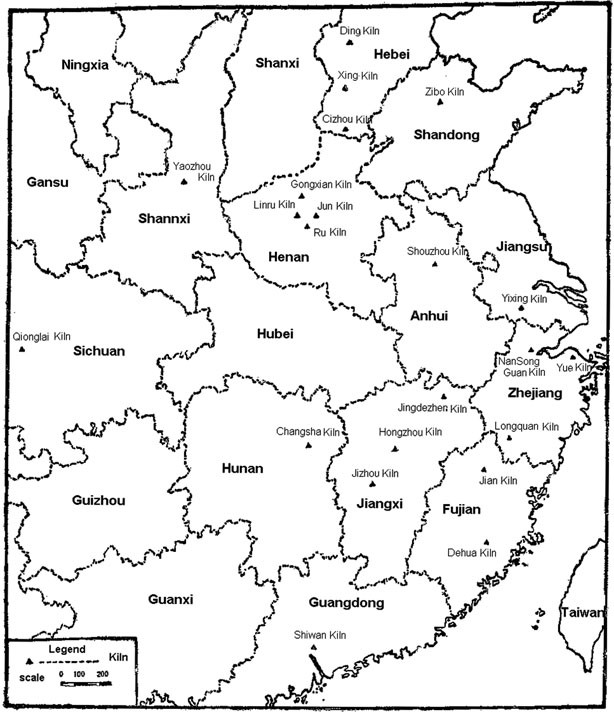
Shenhou County, Yuzhou, Henan
A study of an ancient kiln site in Shenhou, Henan

Except for the teaching and administrative part of my job in this fellowship, all communication between me and the residents is becoming my largest gaining in my practice. I enjoy this kind of old-fashioned way chats with the neighborhood on the street, purposelessly. Some of them take a walk after eating dinner, and some of them cool off under trees in this little county. Everything goes slowly and peacefully, while everyone slows down their steps. After talking with some local parents and elementary students, I found the absence of professional art education. The Chinese government has implemented nine years of compulsory education. Still, art classes in actual schools have often been overlooked or crowded out by other subjects such as math and literature. Even though traditional Jun ceramics surrounds people, most of them have no recognition of generic ceramic arts or the arts. To the public, Jun ceramics have become an iconic symbol in the historical culture. Nevertheless, one of the essential distinctions between parents in Henan and Yunnan is that they were more than willing to send their children to participate in the non-profit program. Some parents in Henan are even more than welcome to invest in their children’s education. They were aware of the demand for art education in rural areas. So the advertising and enrollment of local students have been very smooth and successful, and some parents are fully supportive of our public education organization. However, most of the parents in Yunnan just considered us as babysitters for their children’s summer vacation.
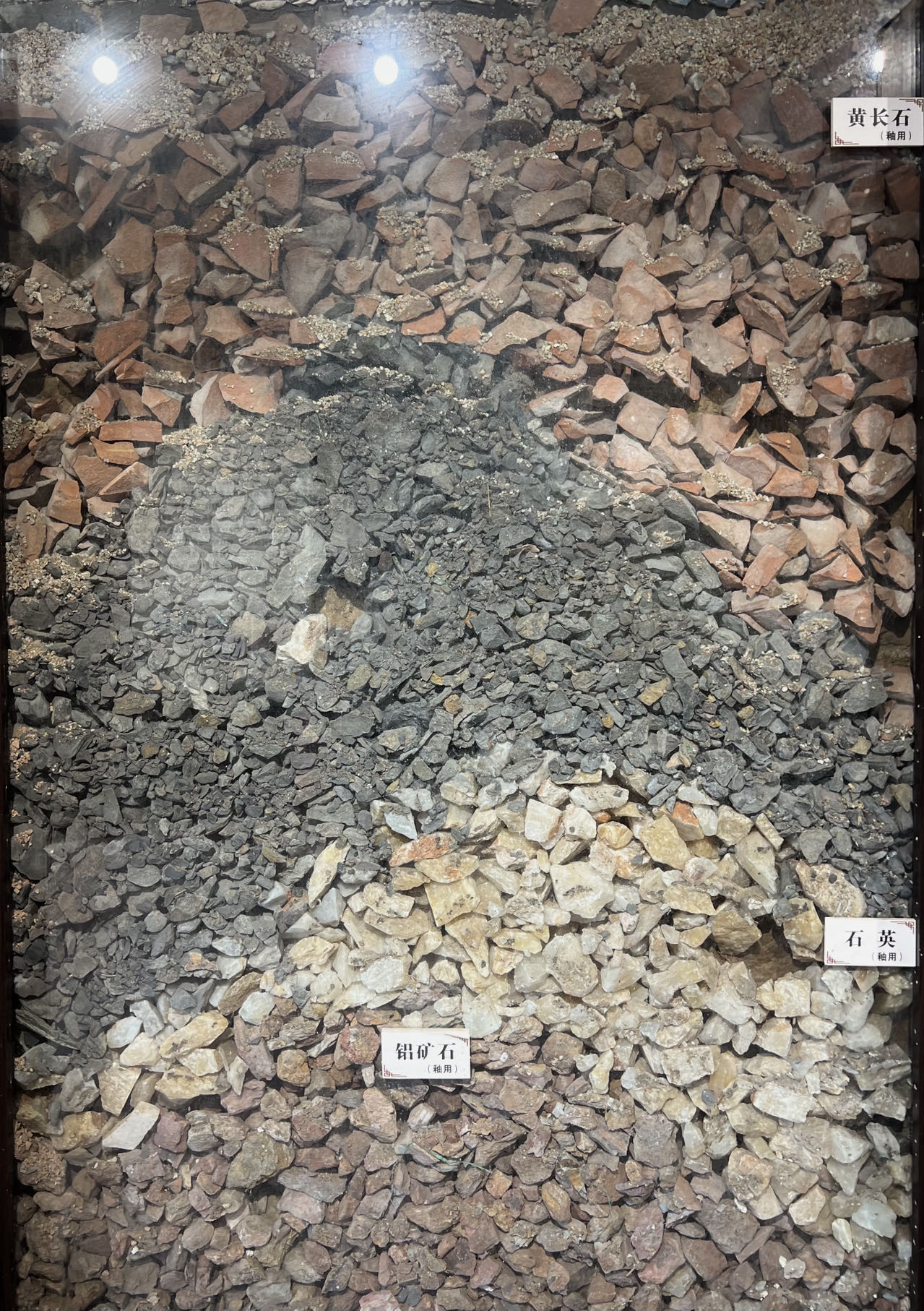
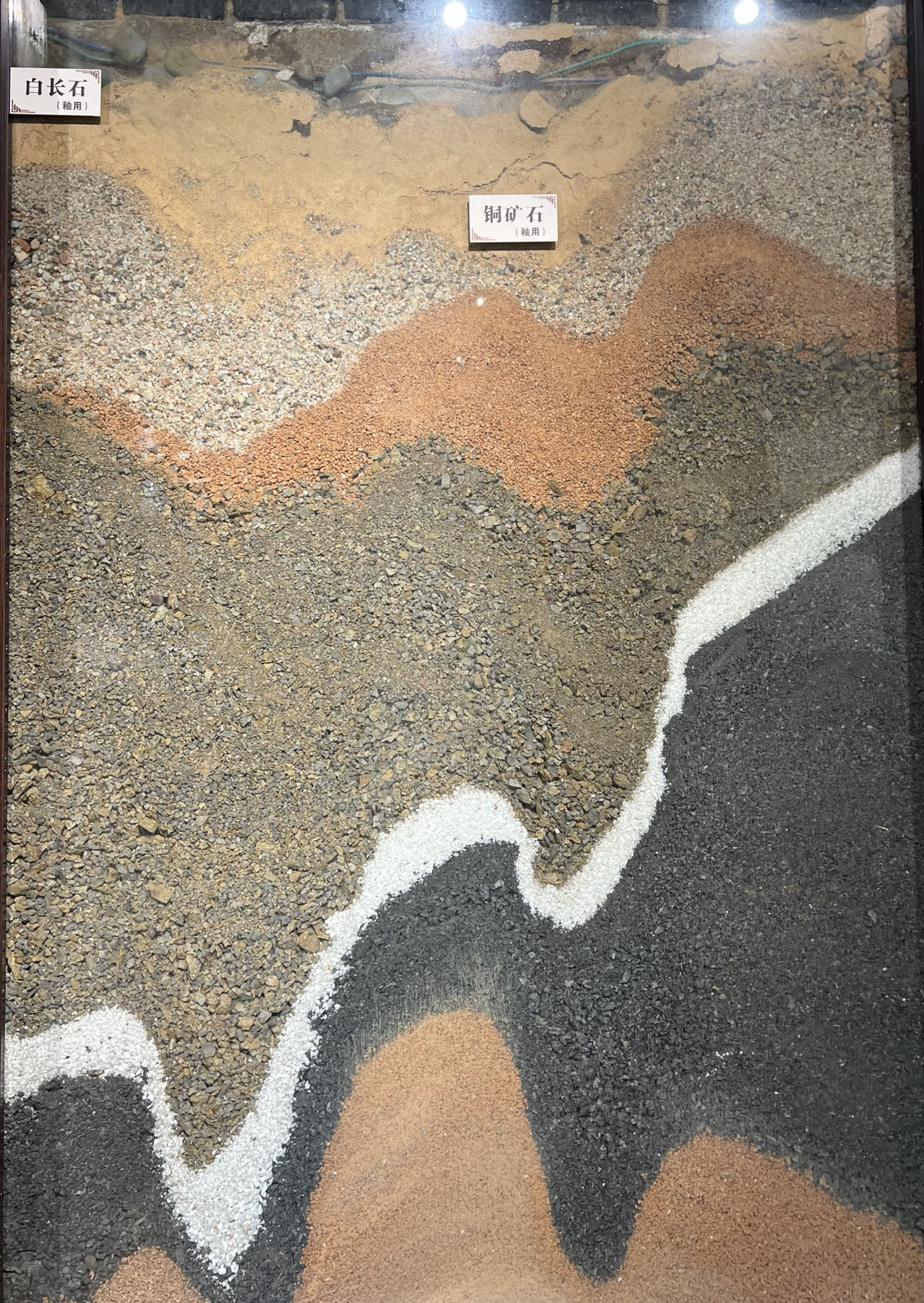
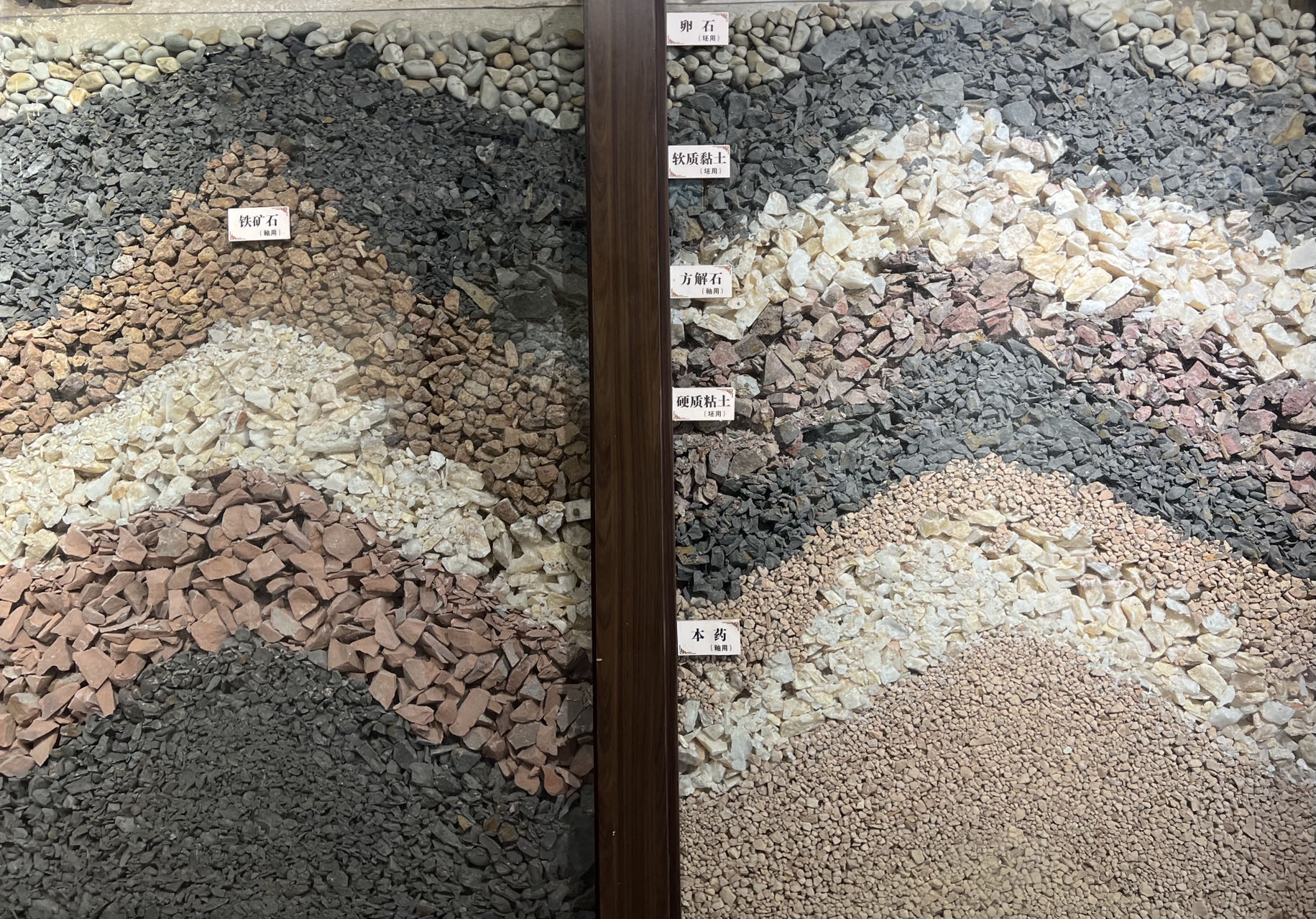
Multiple layers of feldspar, iron oxide, and clay are deposited underground.
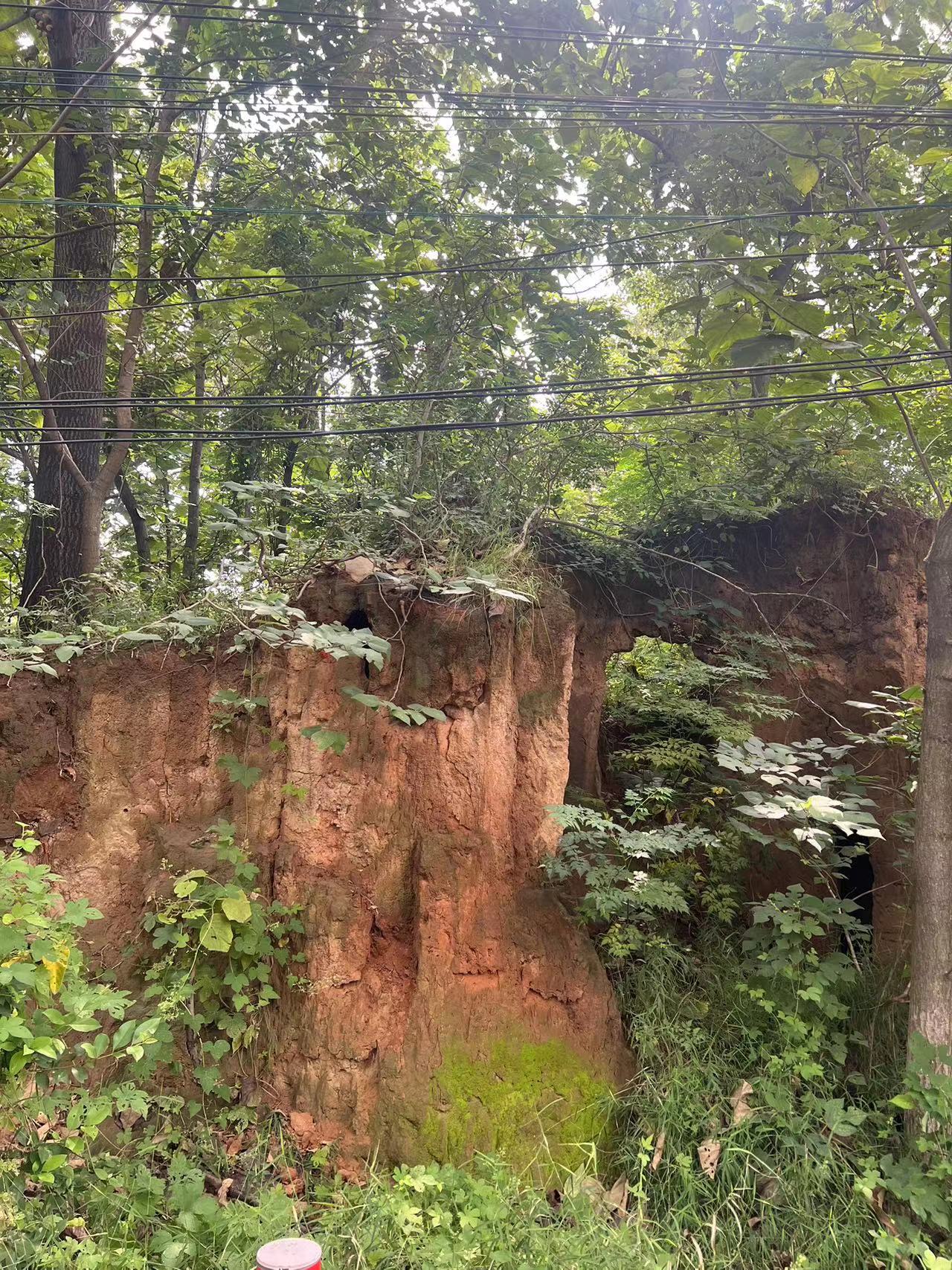
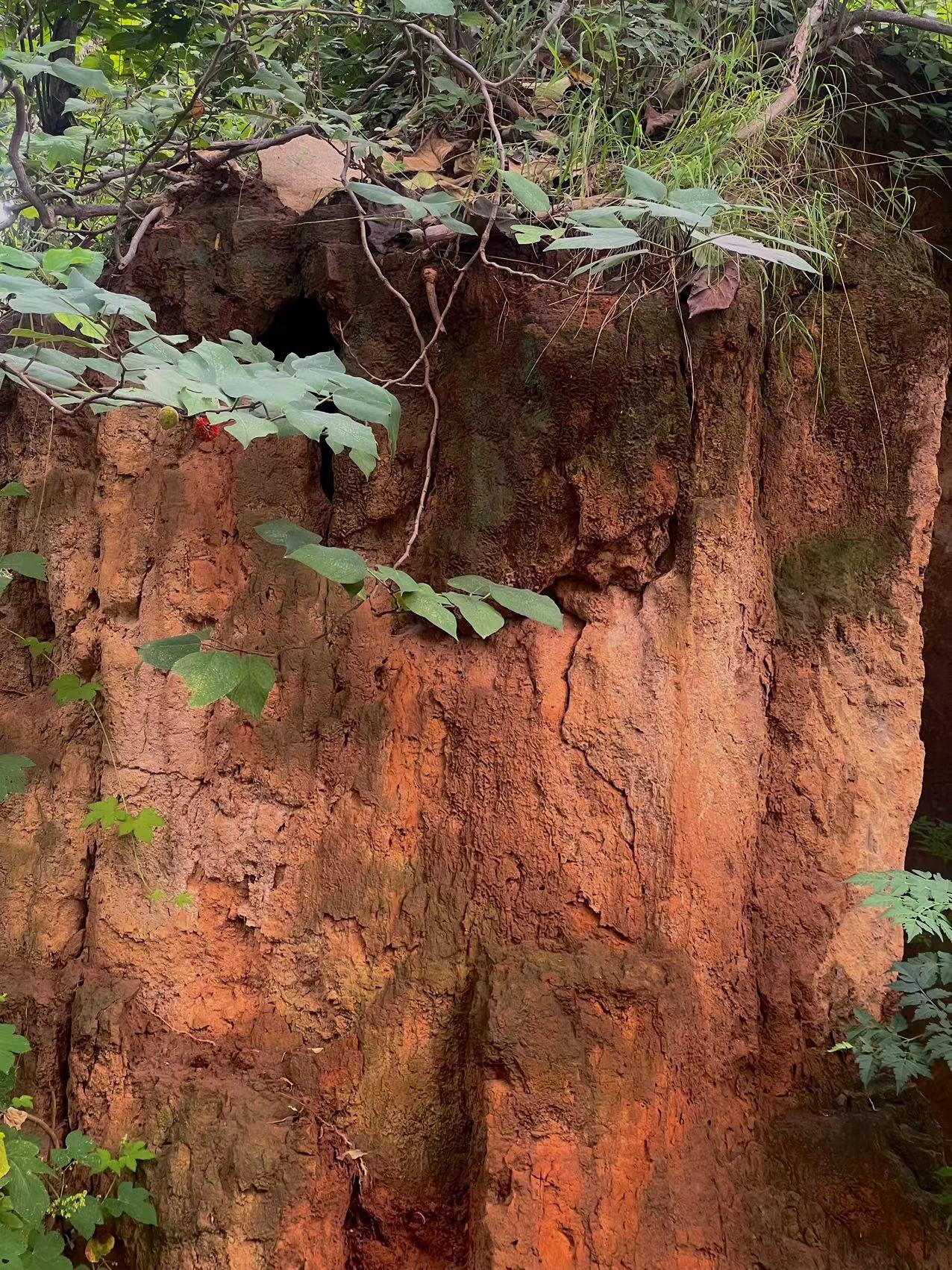
Study of local clay and materials with Qi Huisuo
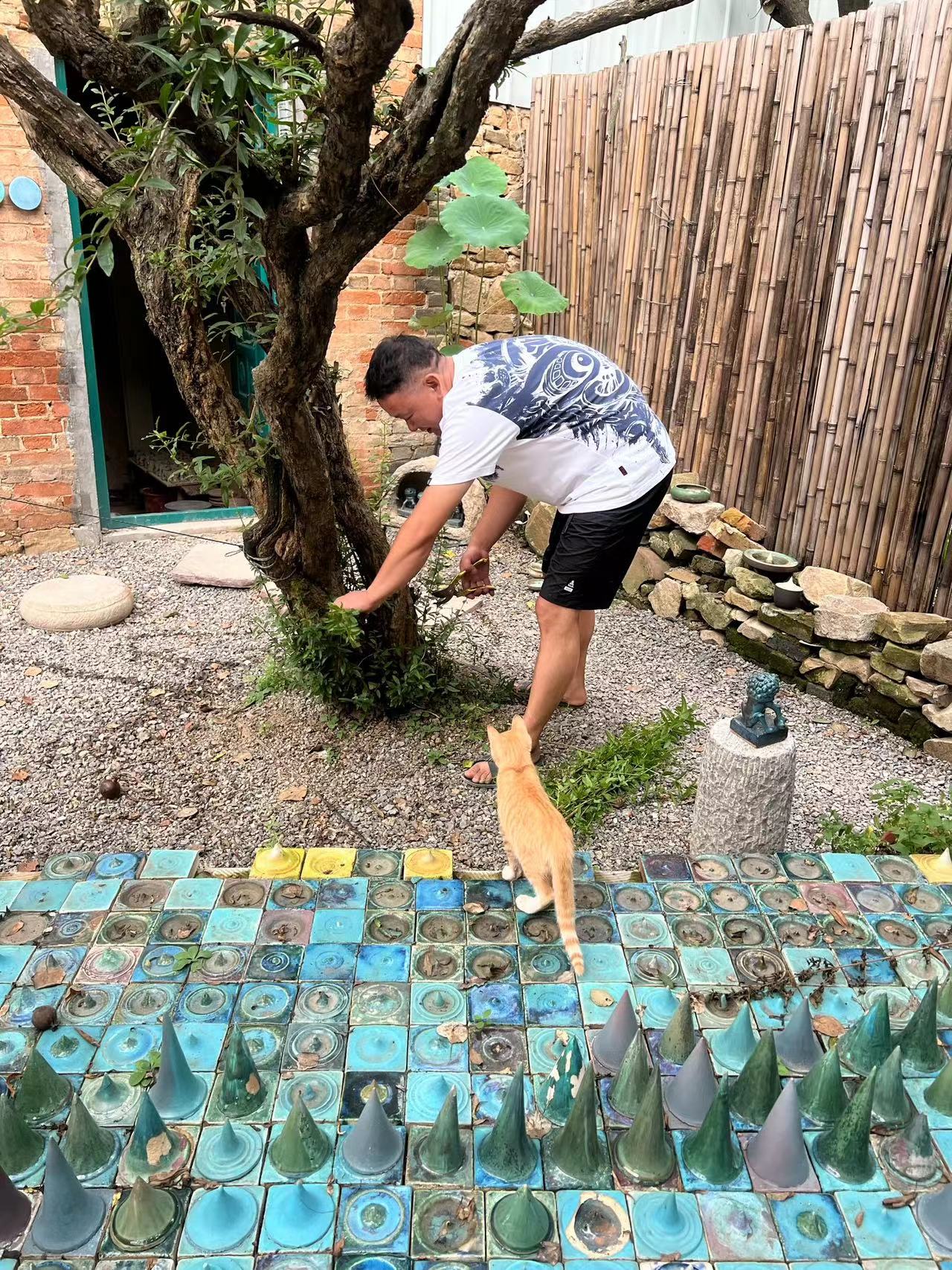
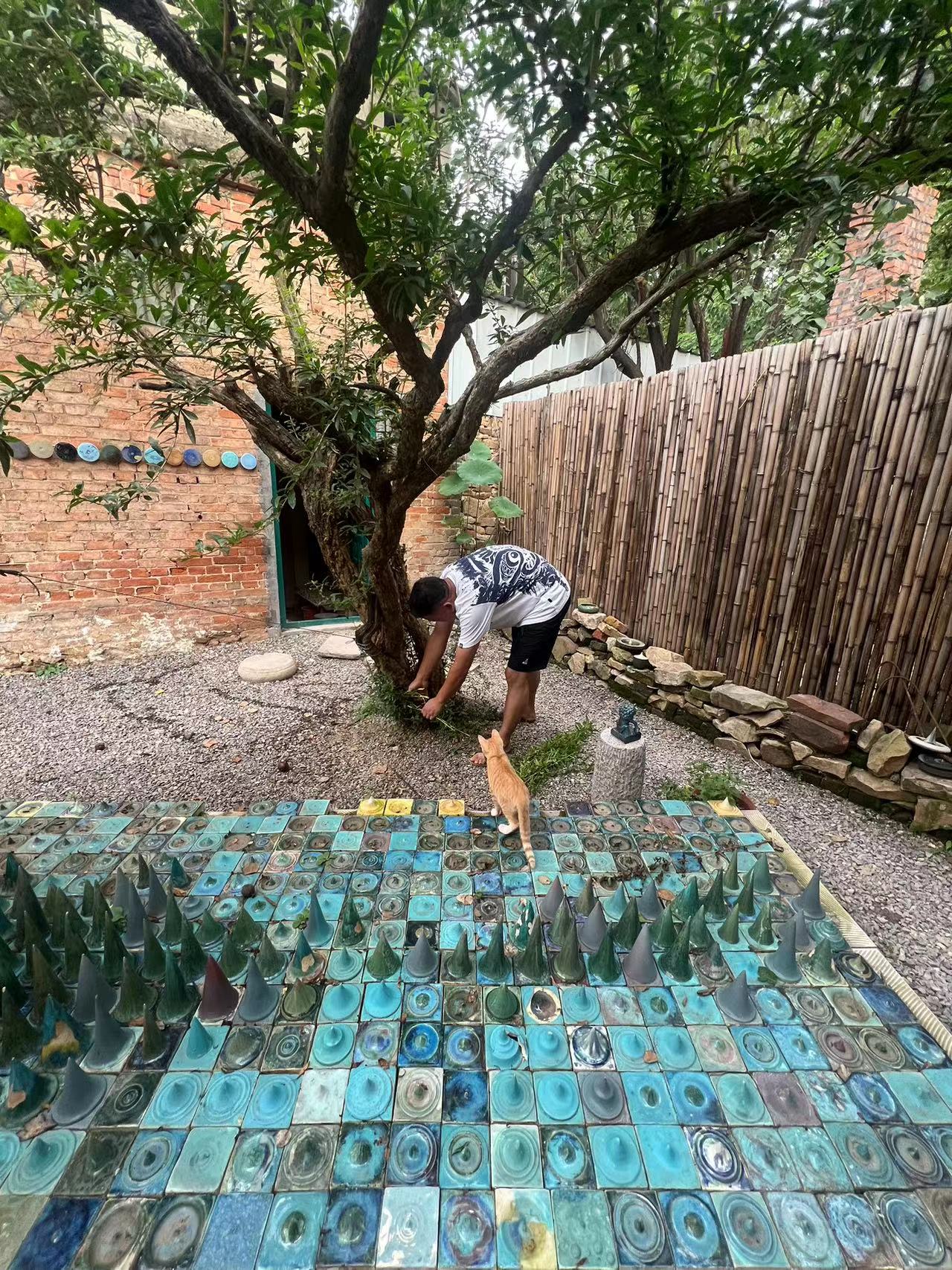
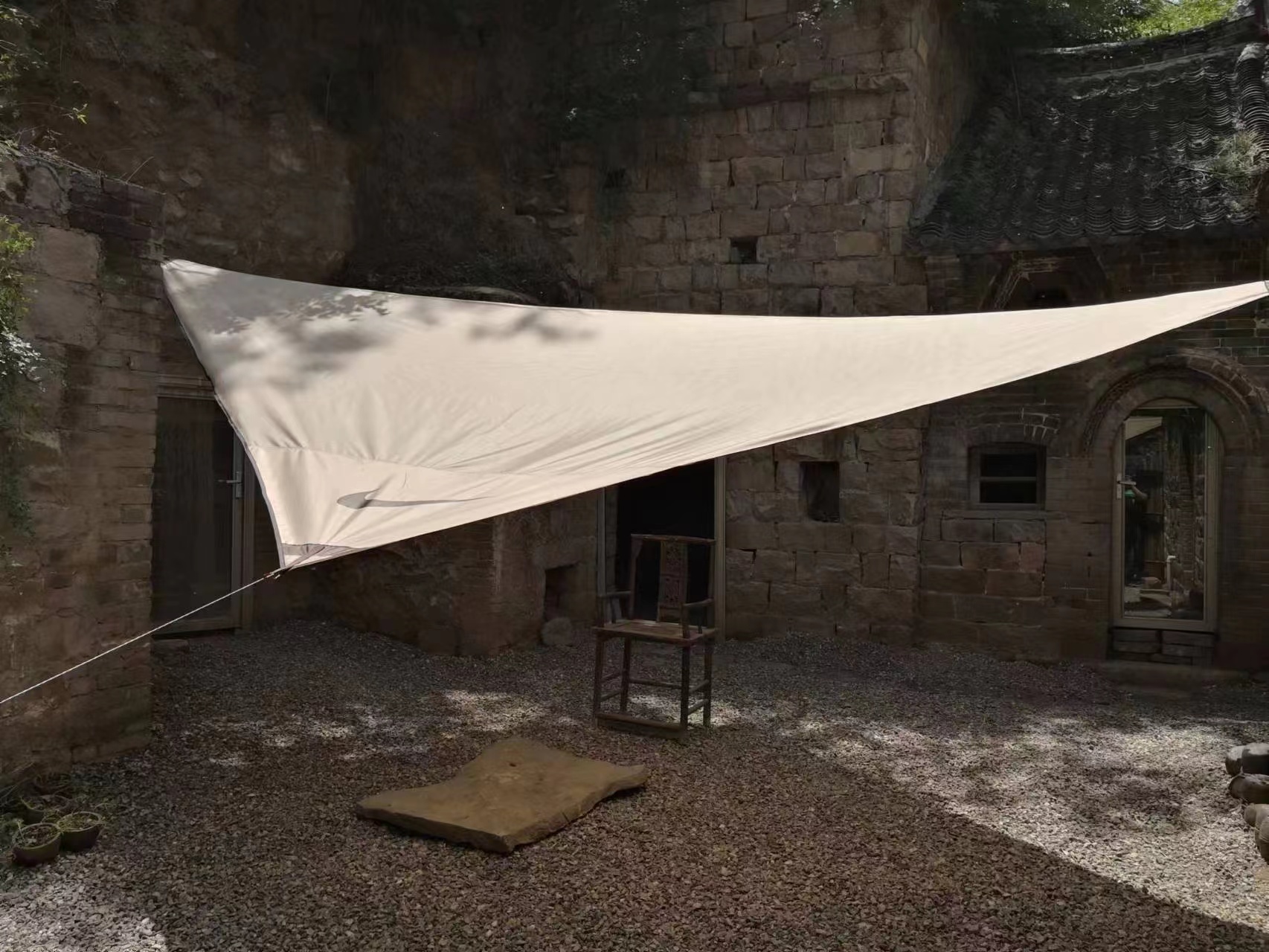
The conversation with Mr. Qi remains in my mind. I enjoyed talking with Mr. Qi the most. Qi Huisuo works as the main designer for the Song Dynasty royal kiln though, his job as designing for mass production ceramics never limited his vision.
In China, especially in Chinese rural areas, there is a large number of people like Qi Huisuo. They never identify themselves as a contemporary artist, but what they are creating and sustaining is true honesty and art. Not like most traditional Chinese ceramicists, Qi is generous, open-minded, knowable, and welcoming. He would love to share the ceramic knowledge that he researched for years. Working as a designer for a mass-productive industry isn’t as fun and cool as it looks. The pre-research and study of local clay and stones is a much time-consumable phase in the ceramic industry. He took a big responsibility of qualifying all designs for all blowing mass production.
Conceptual thinking and creative art education are essential absences in their elementary school, especially speaking to Shenhou County, after my street interview with the residents. Most of the children and families I accessed in Shenhou are much more educated, urbanized, and open-minded, especially compared with the situation we met in Yunnan. They have relatively rich art materials, convenient transportation, and favorable life conditions. Surprisingly, parents in Shenhou value the importance of kids’ education, and invest the most in this aspect, especially compared to the situation in Yunan. However, the lack of support for arts in elementary education proves that unequal development and resources of arts are common in the countryside.
To the ten-day workshop, I have committed with designer Qi Huisuo about the main concept of our teaching for these children — creative thinking.
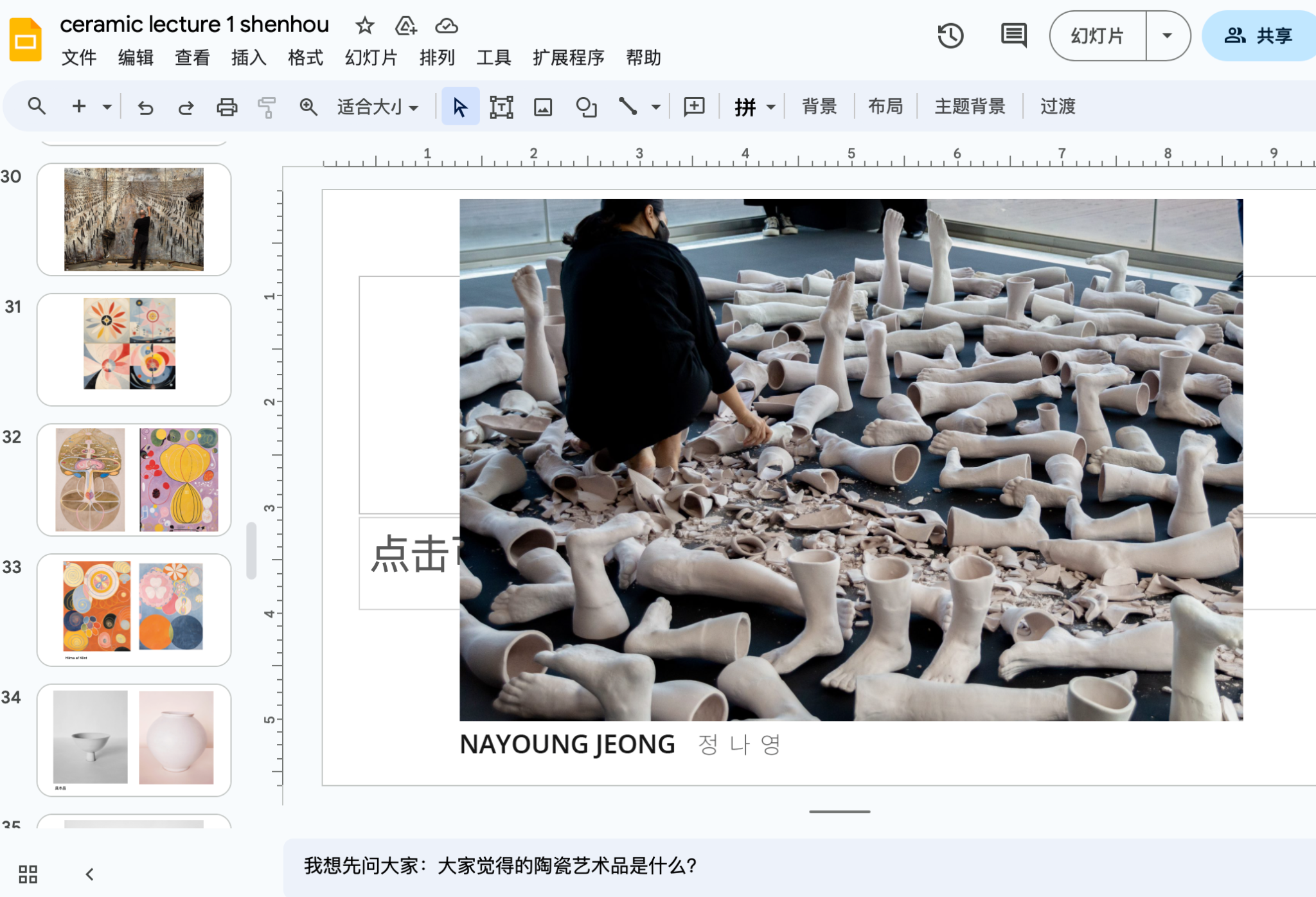
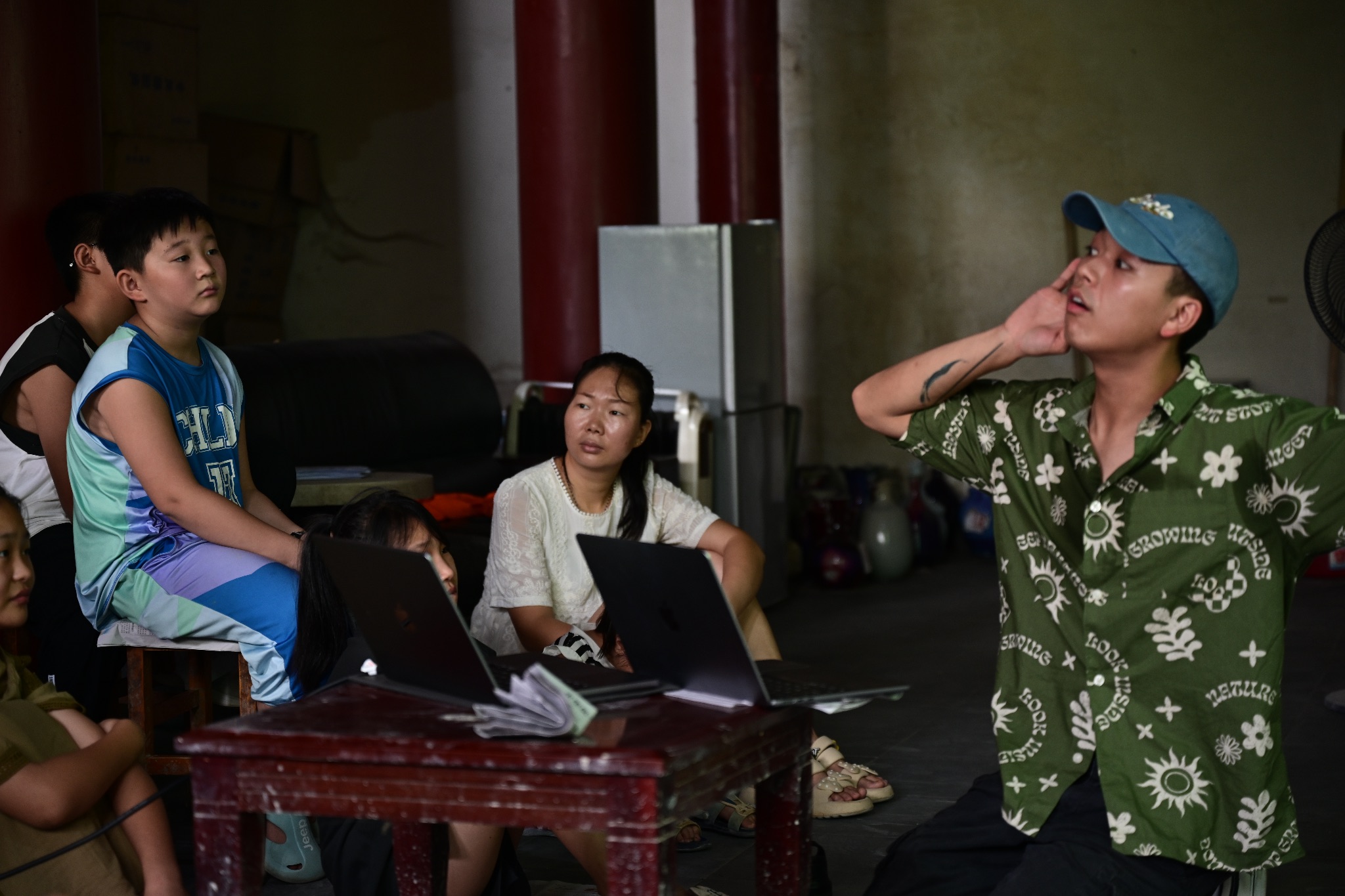
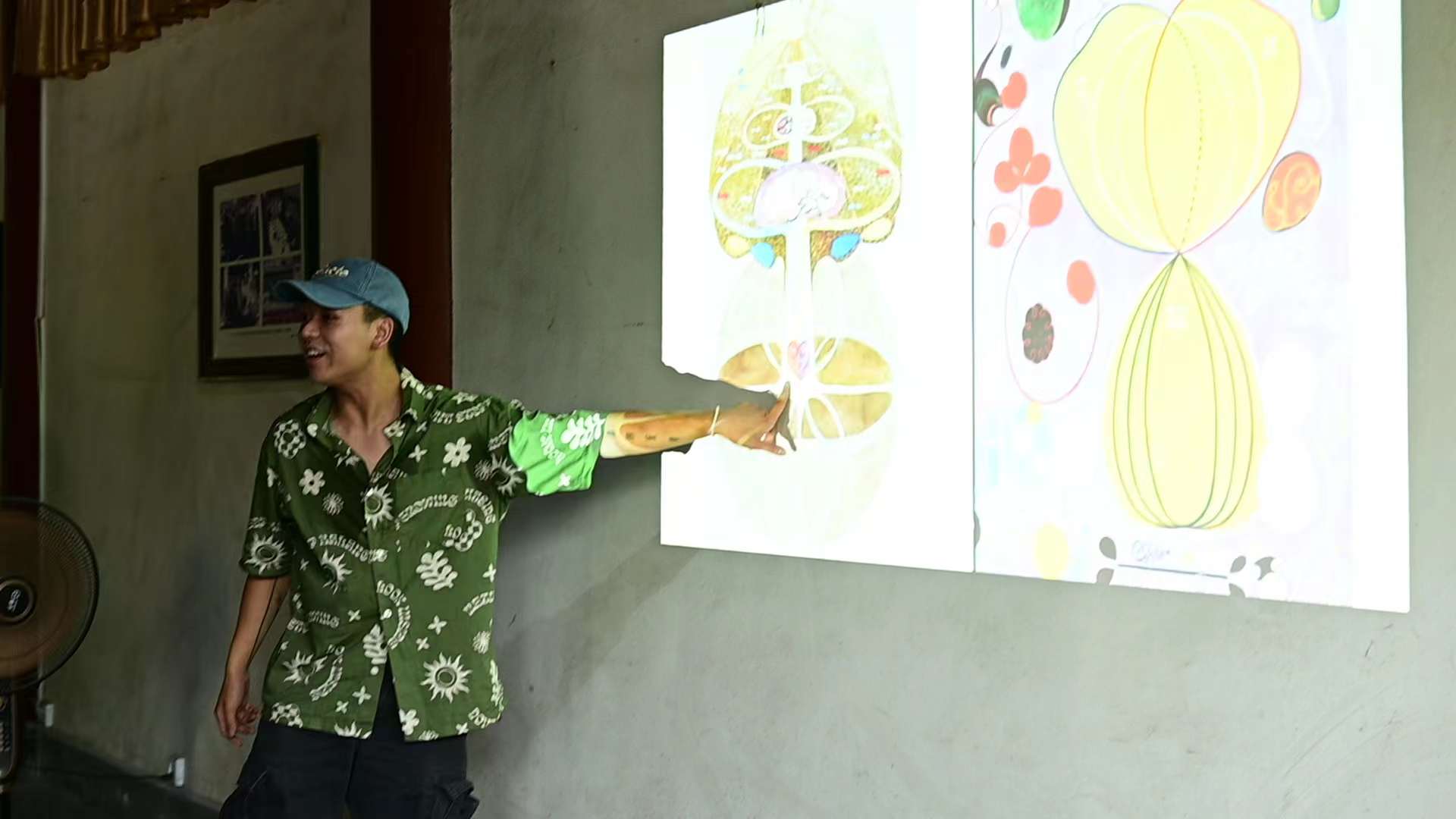
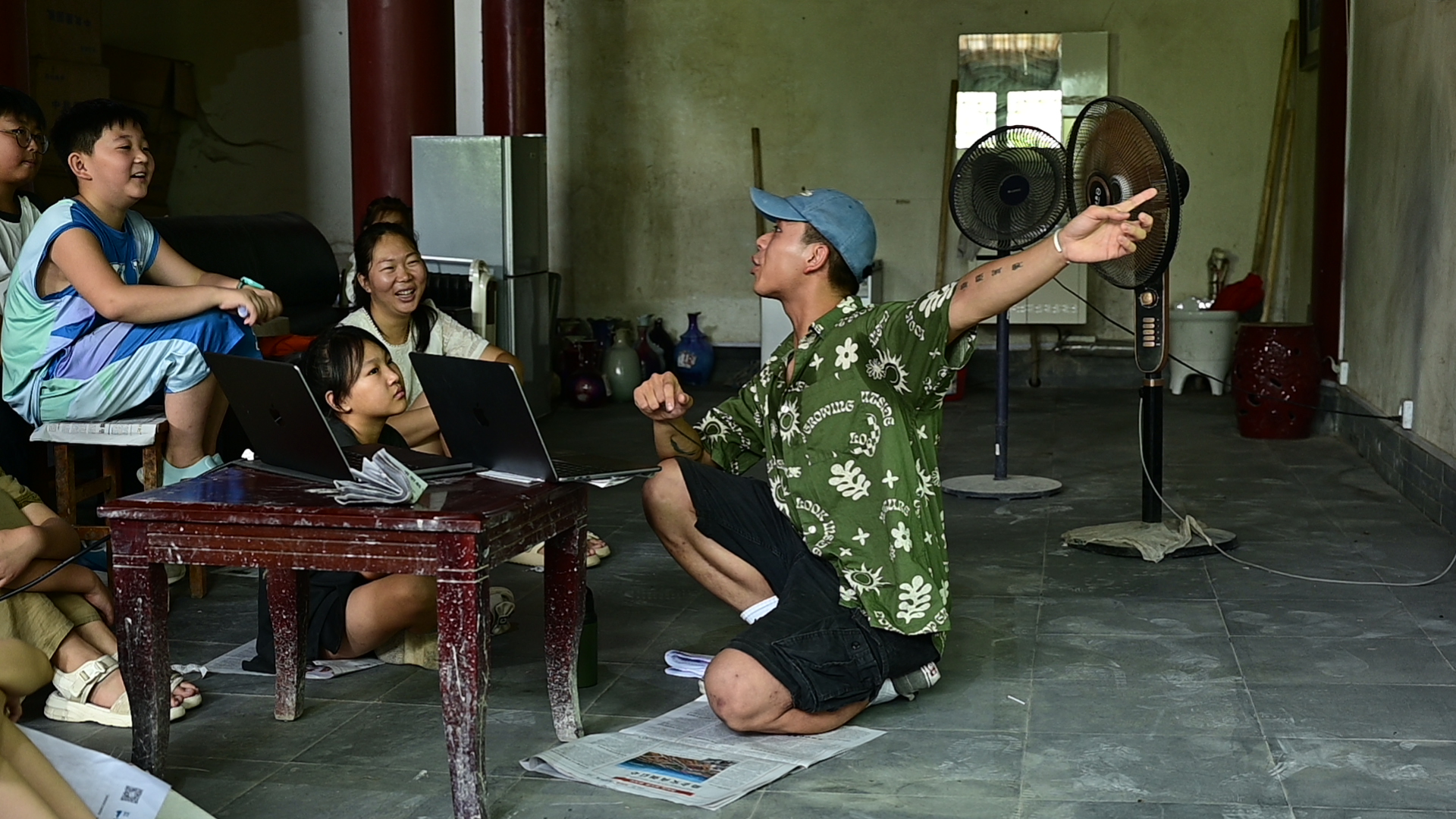
The first art lecture
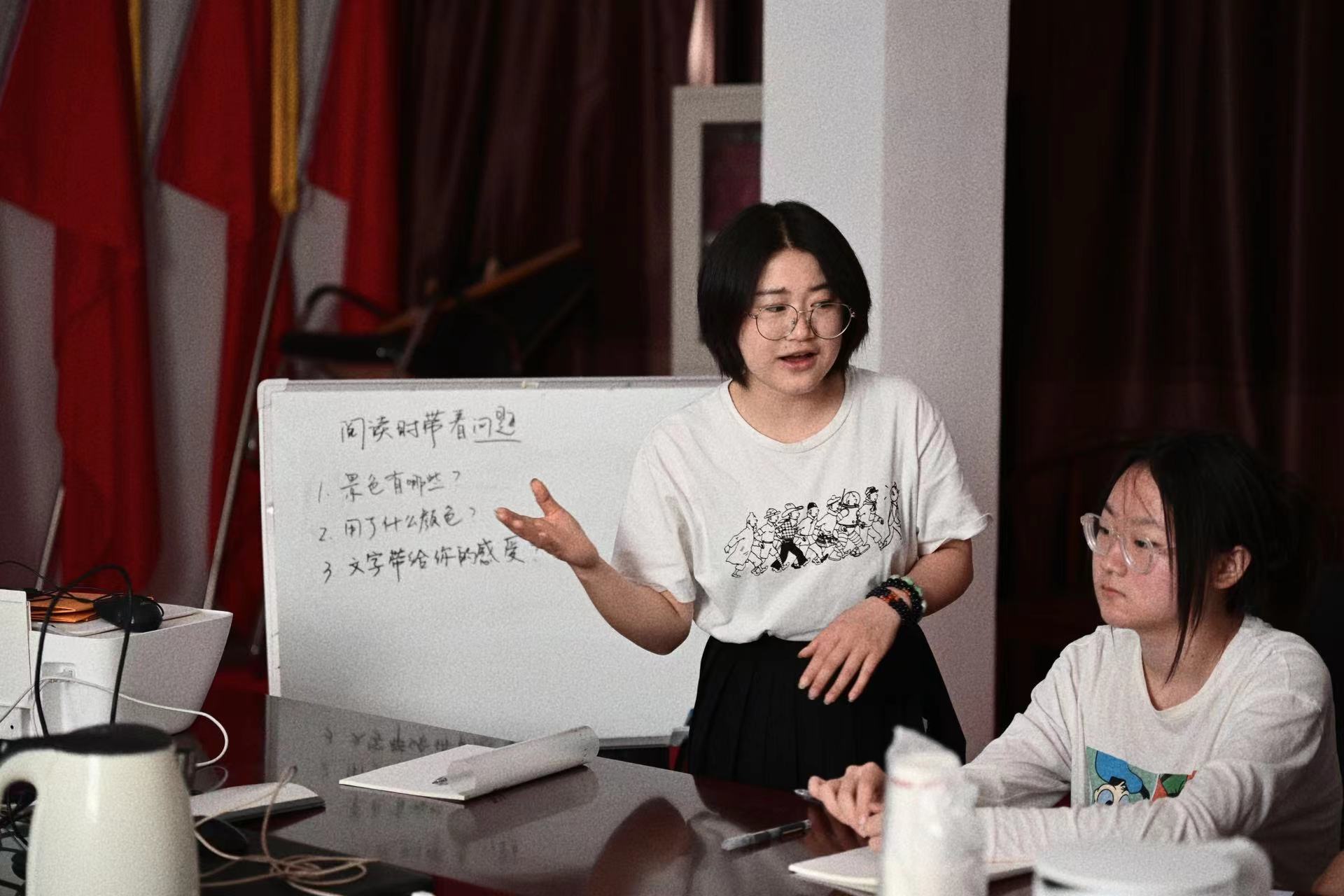
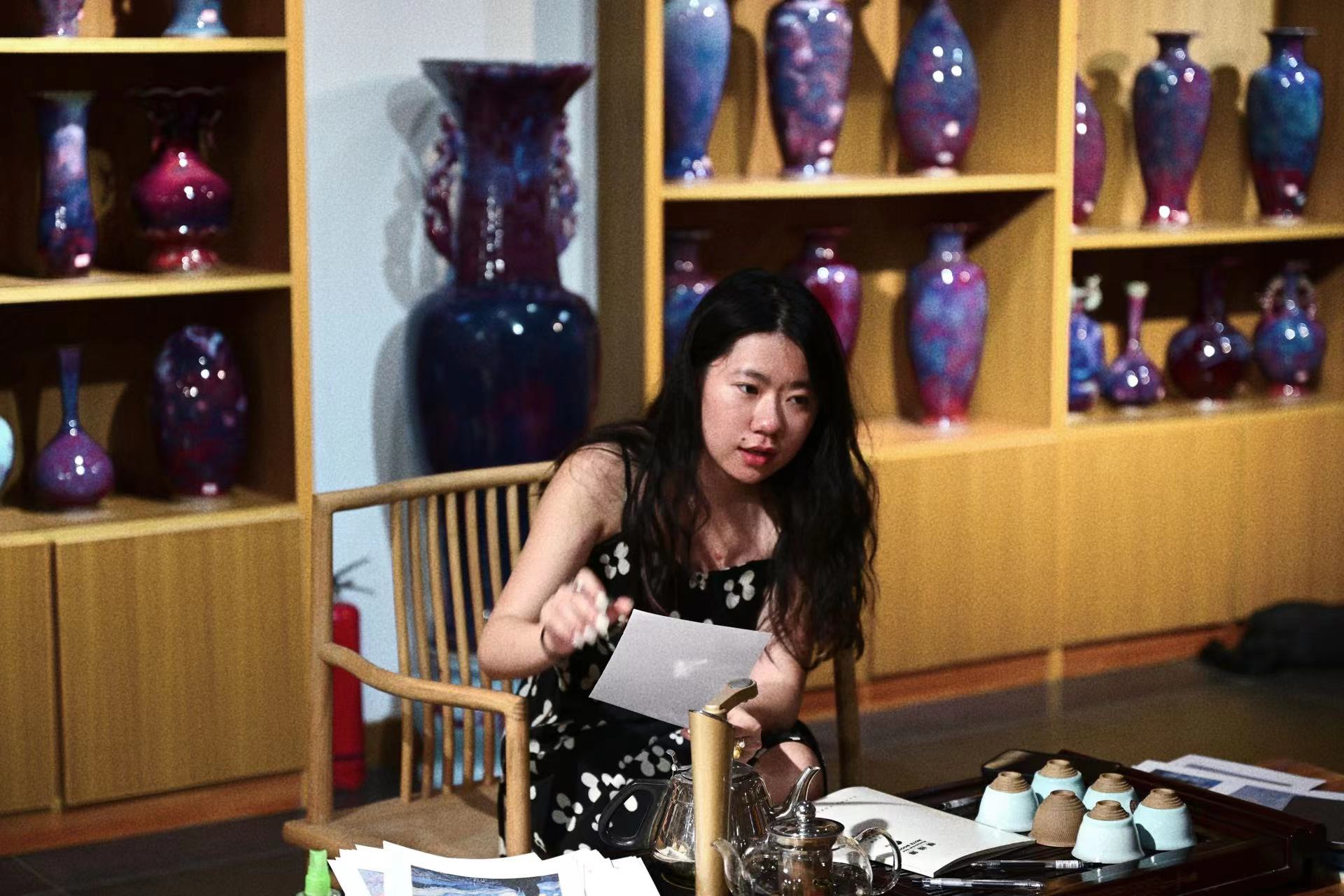
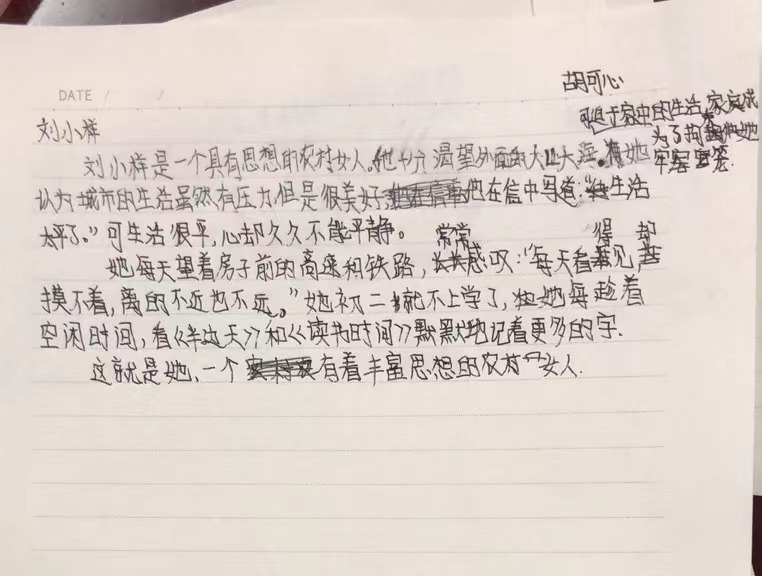
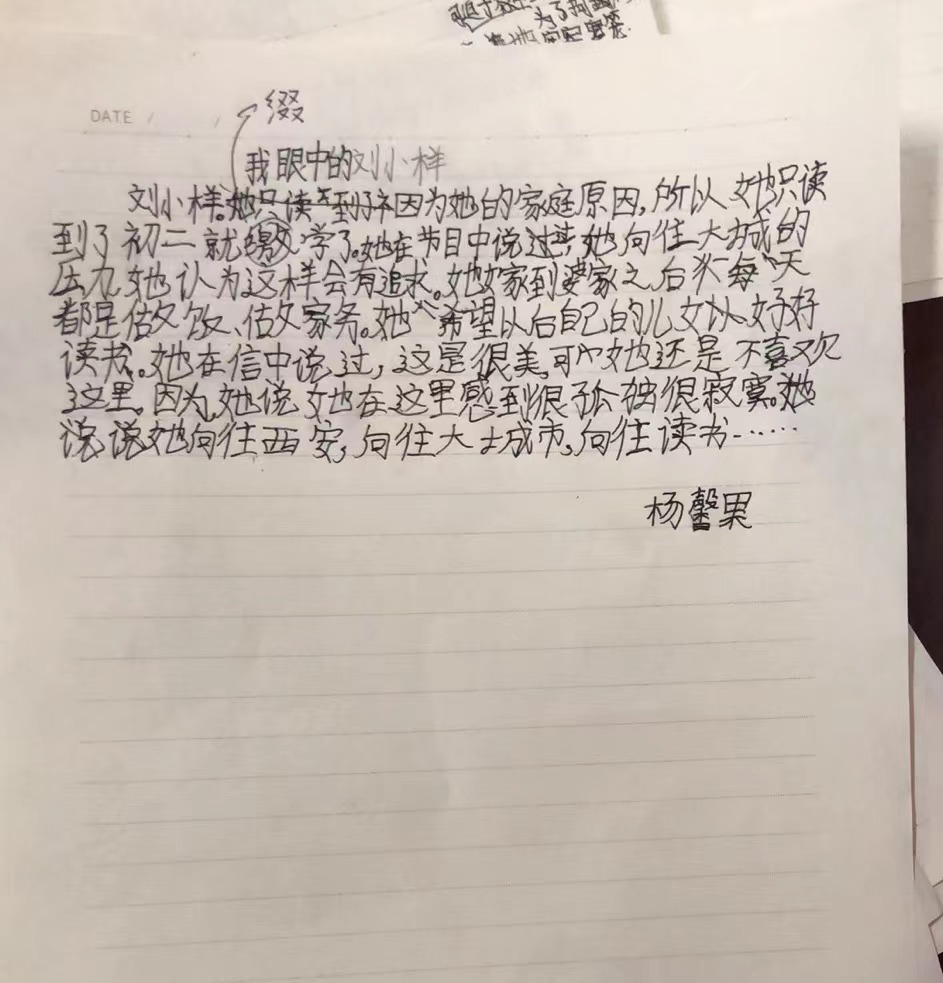
The parallel creative writing workshop took place every afternoon.
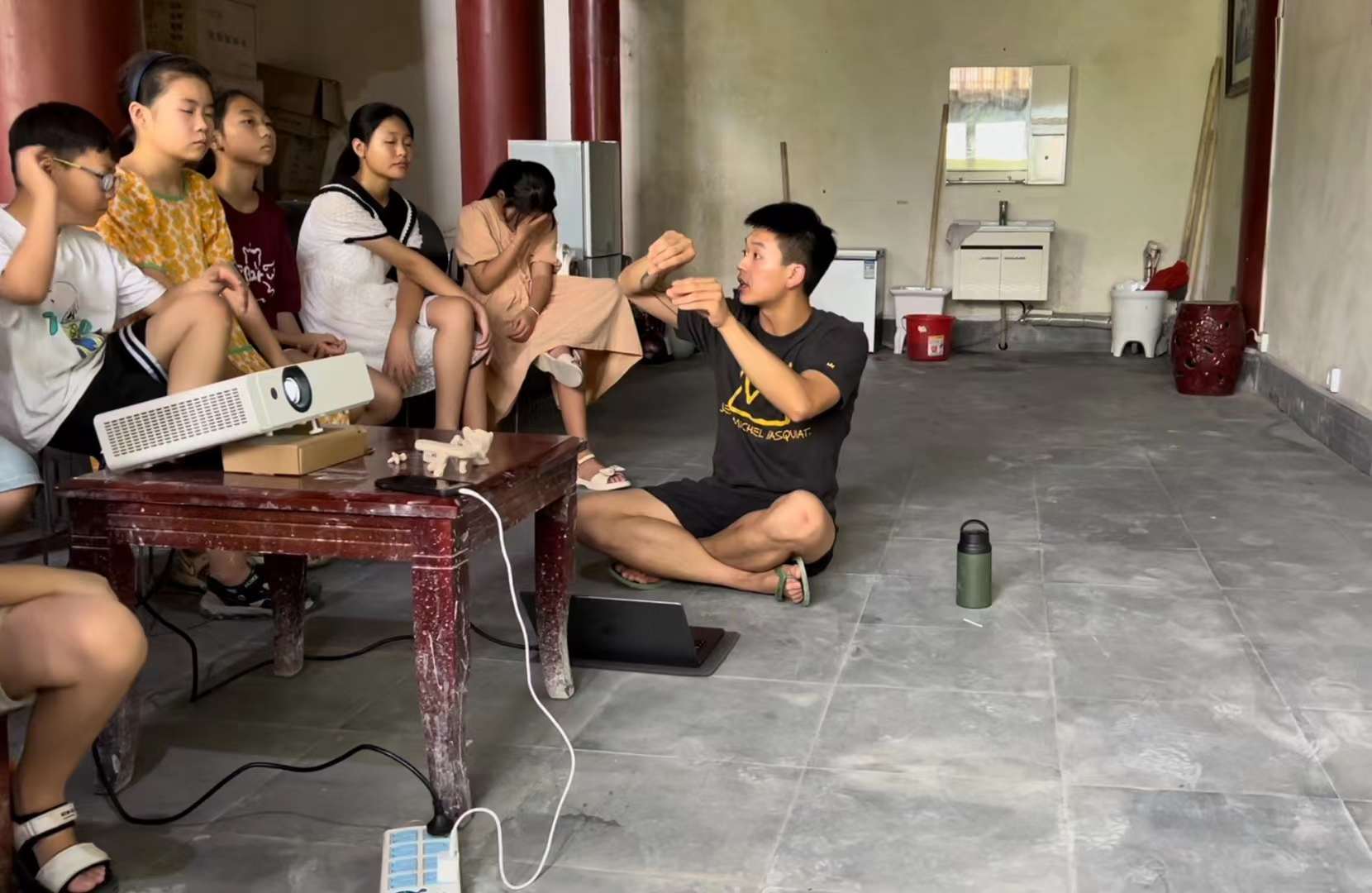
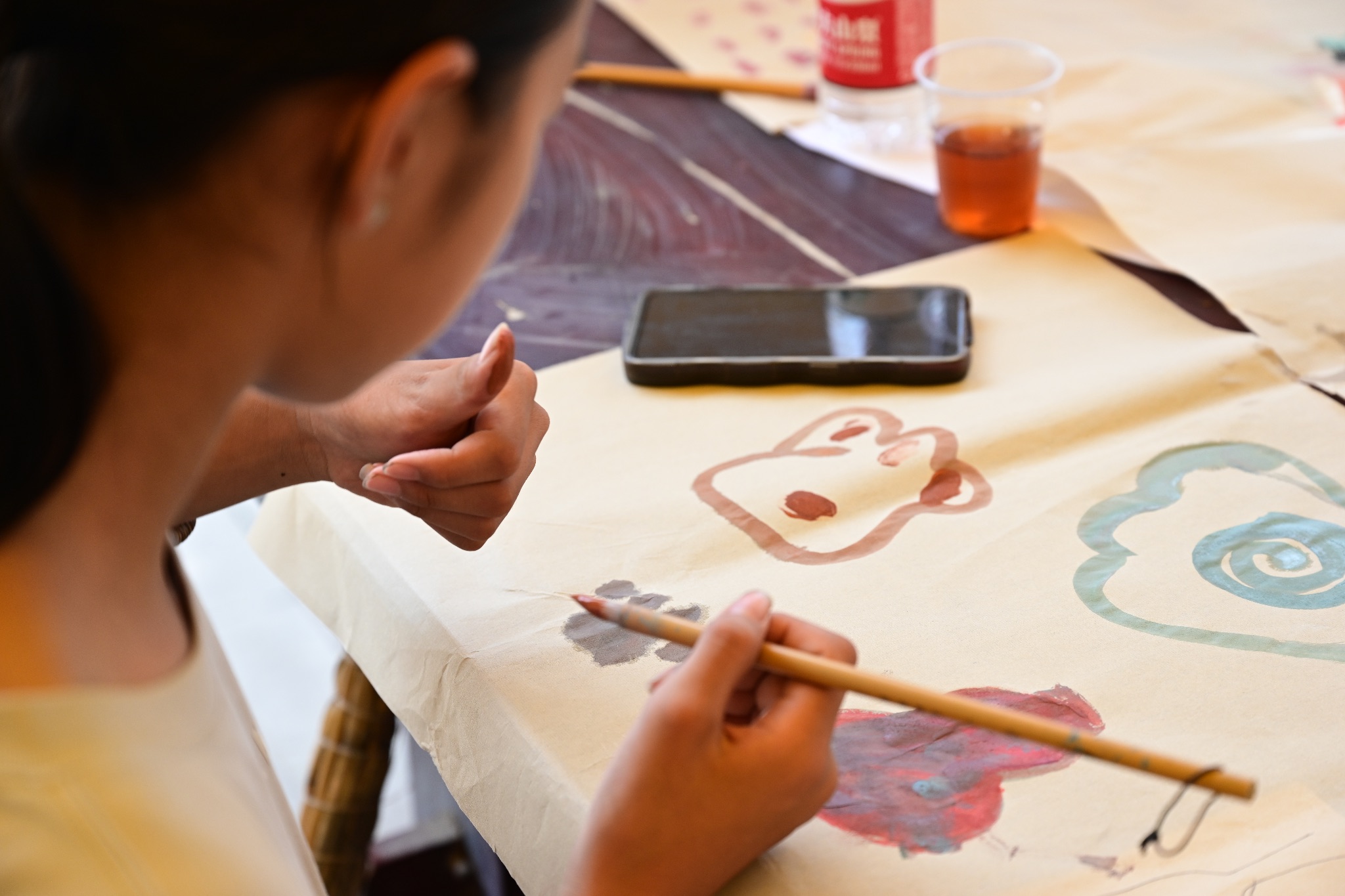
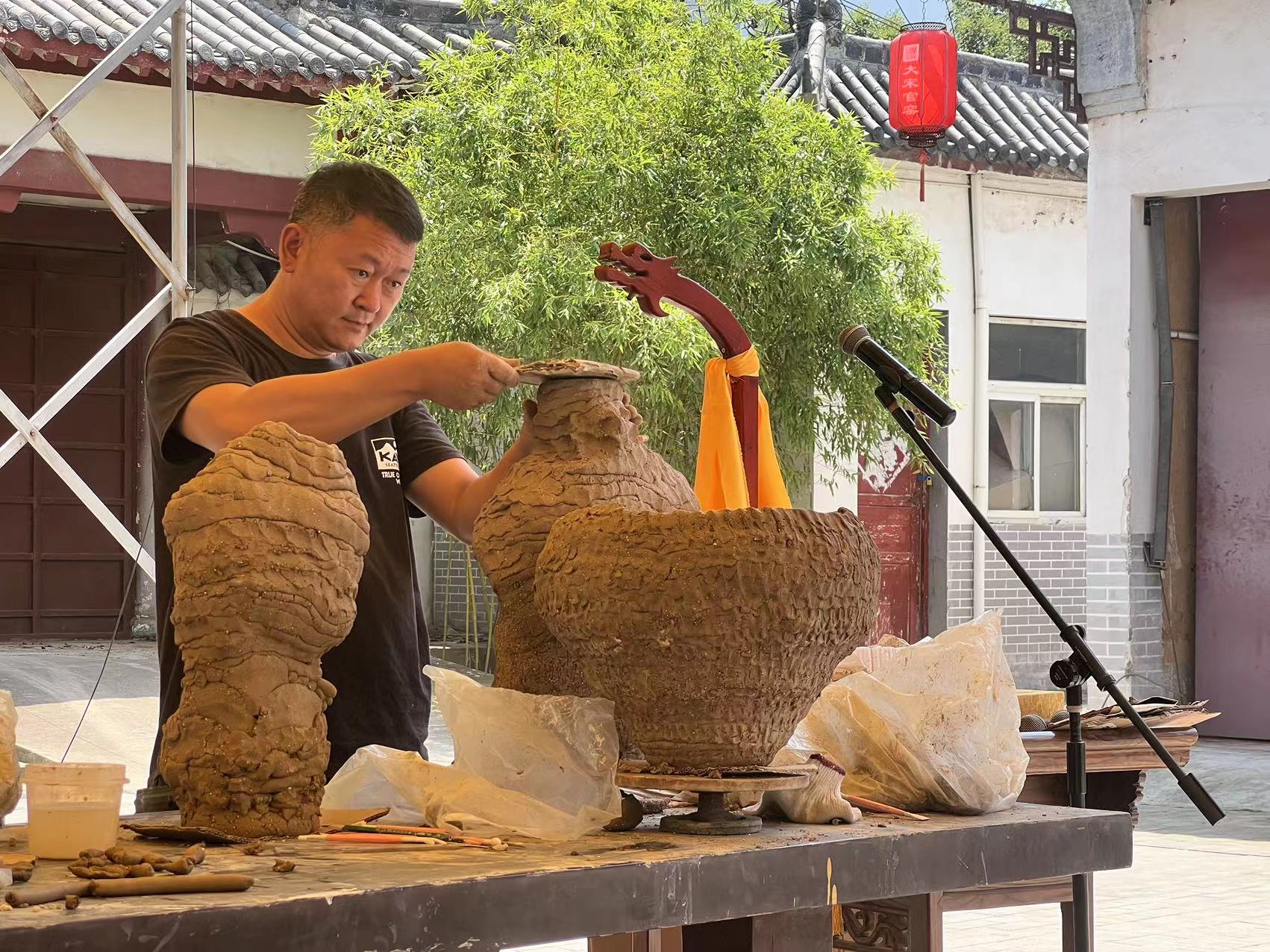
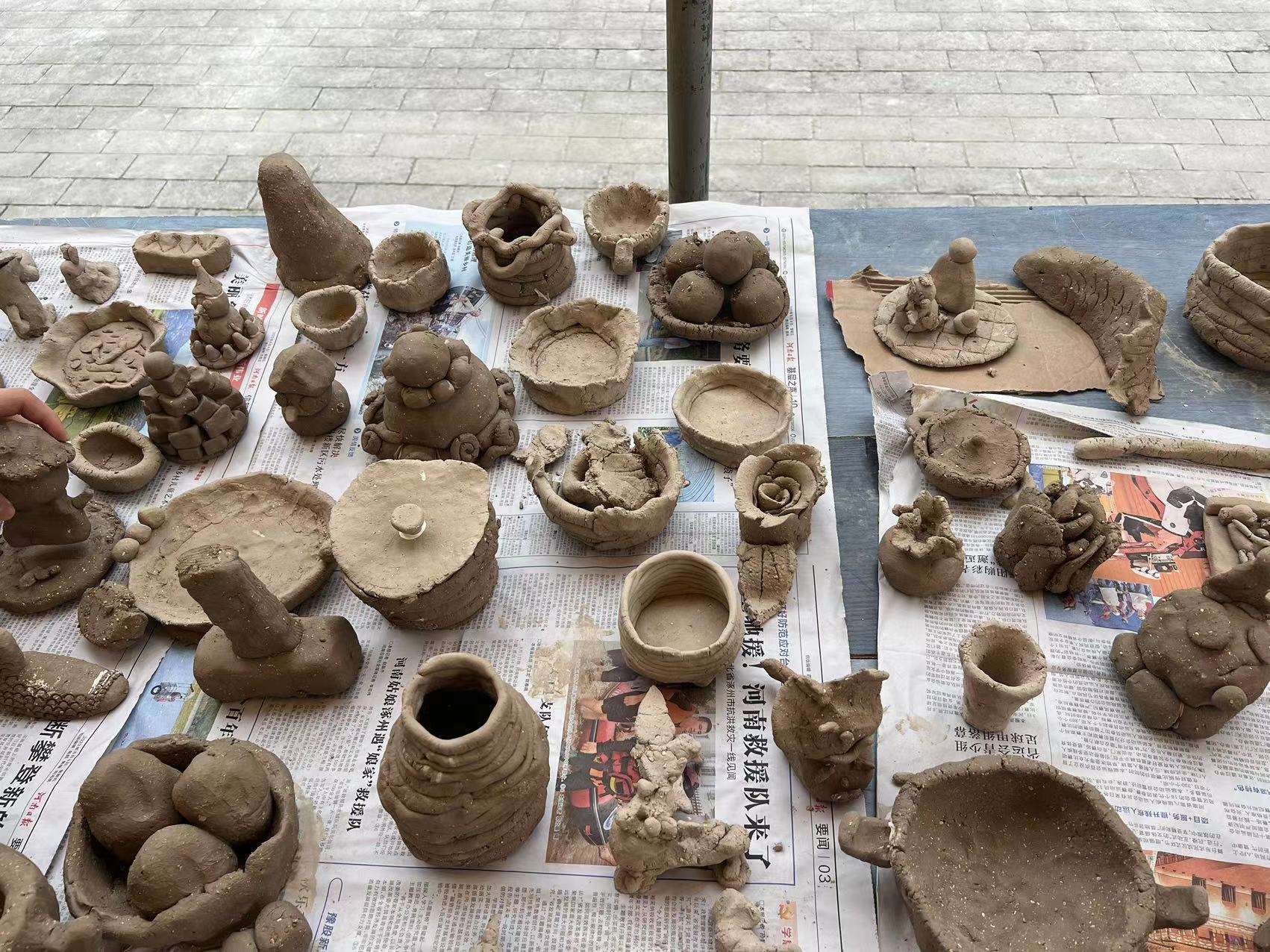
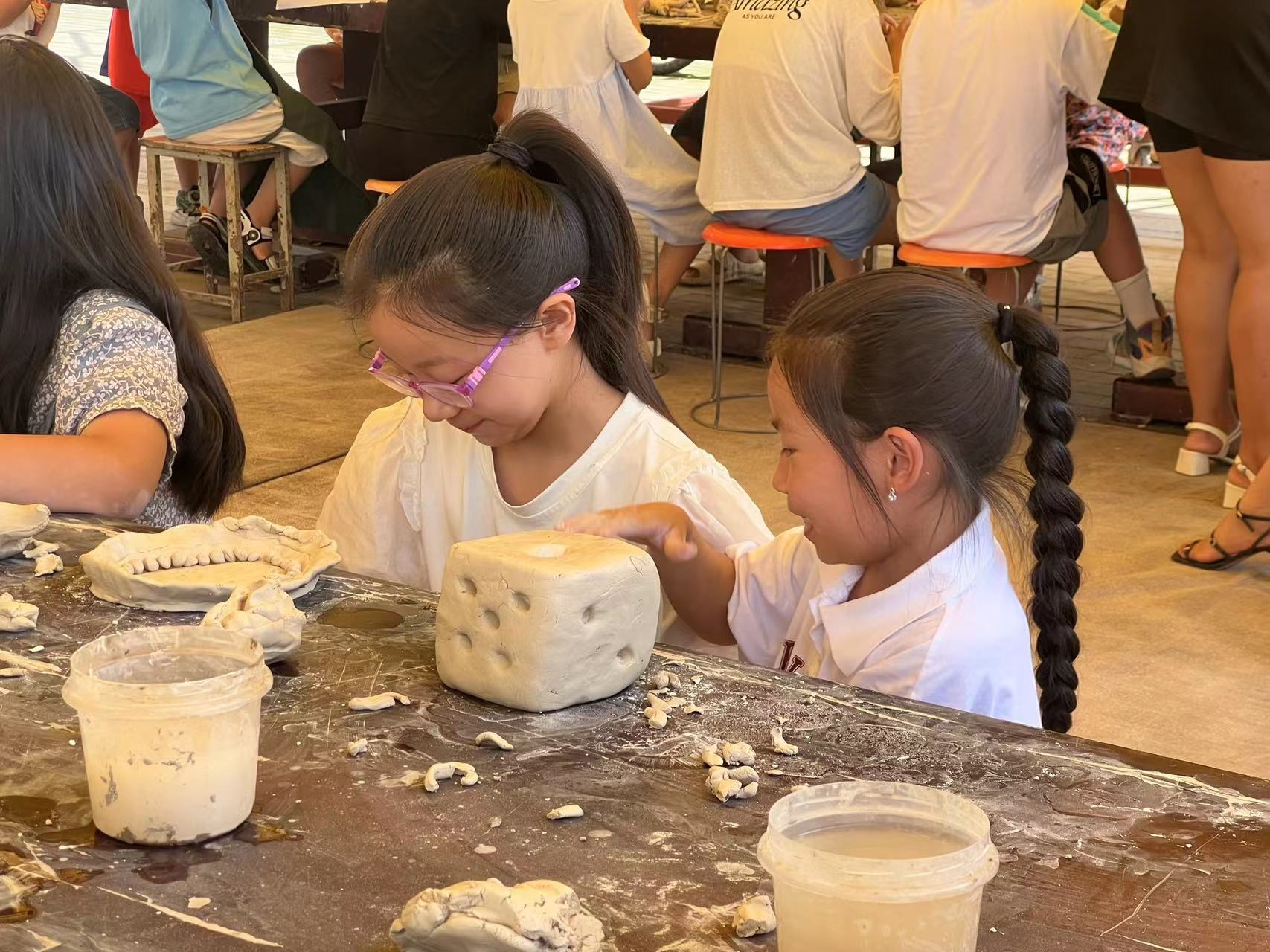
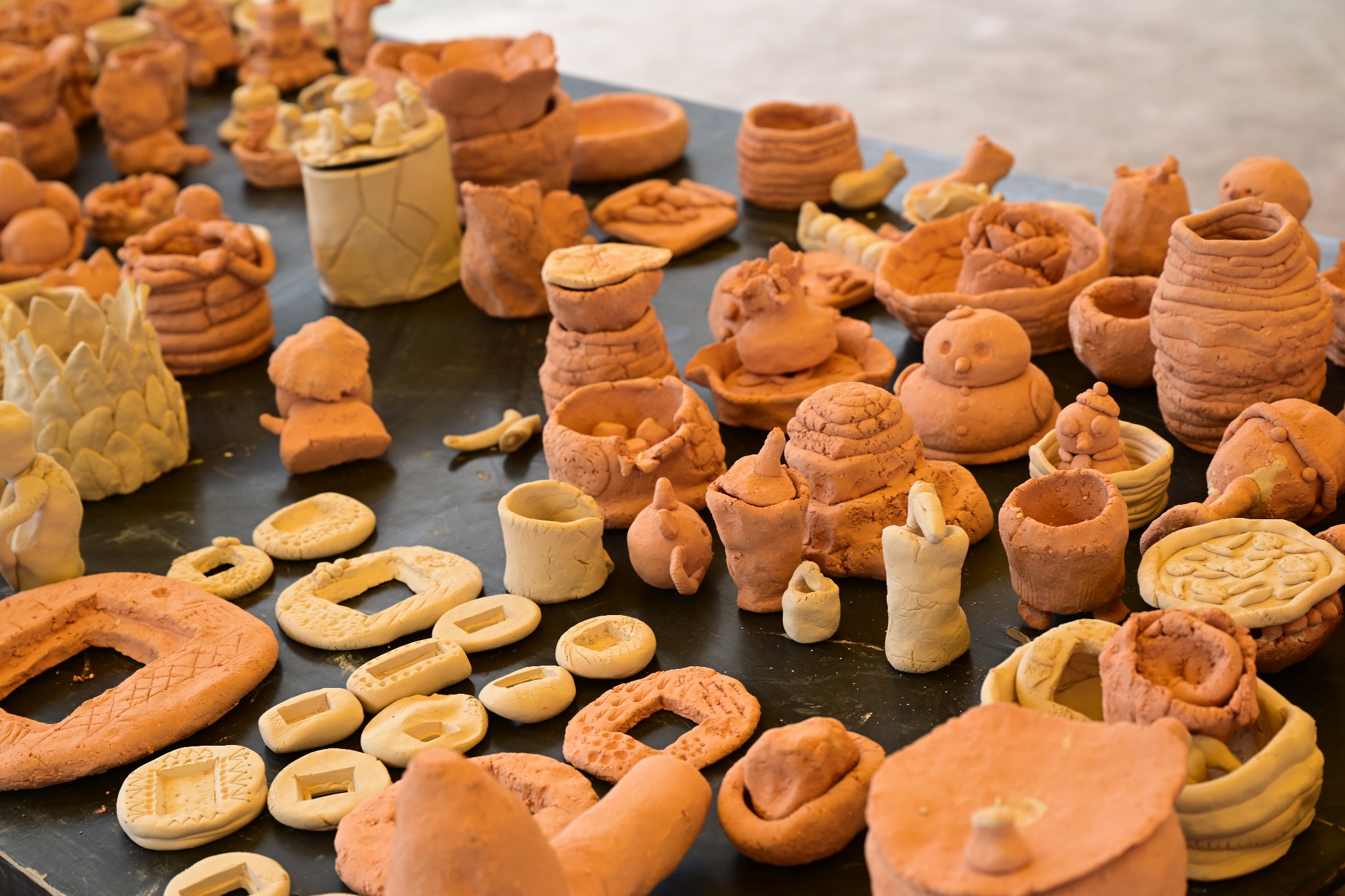
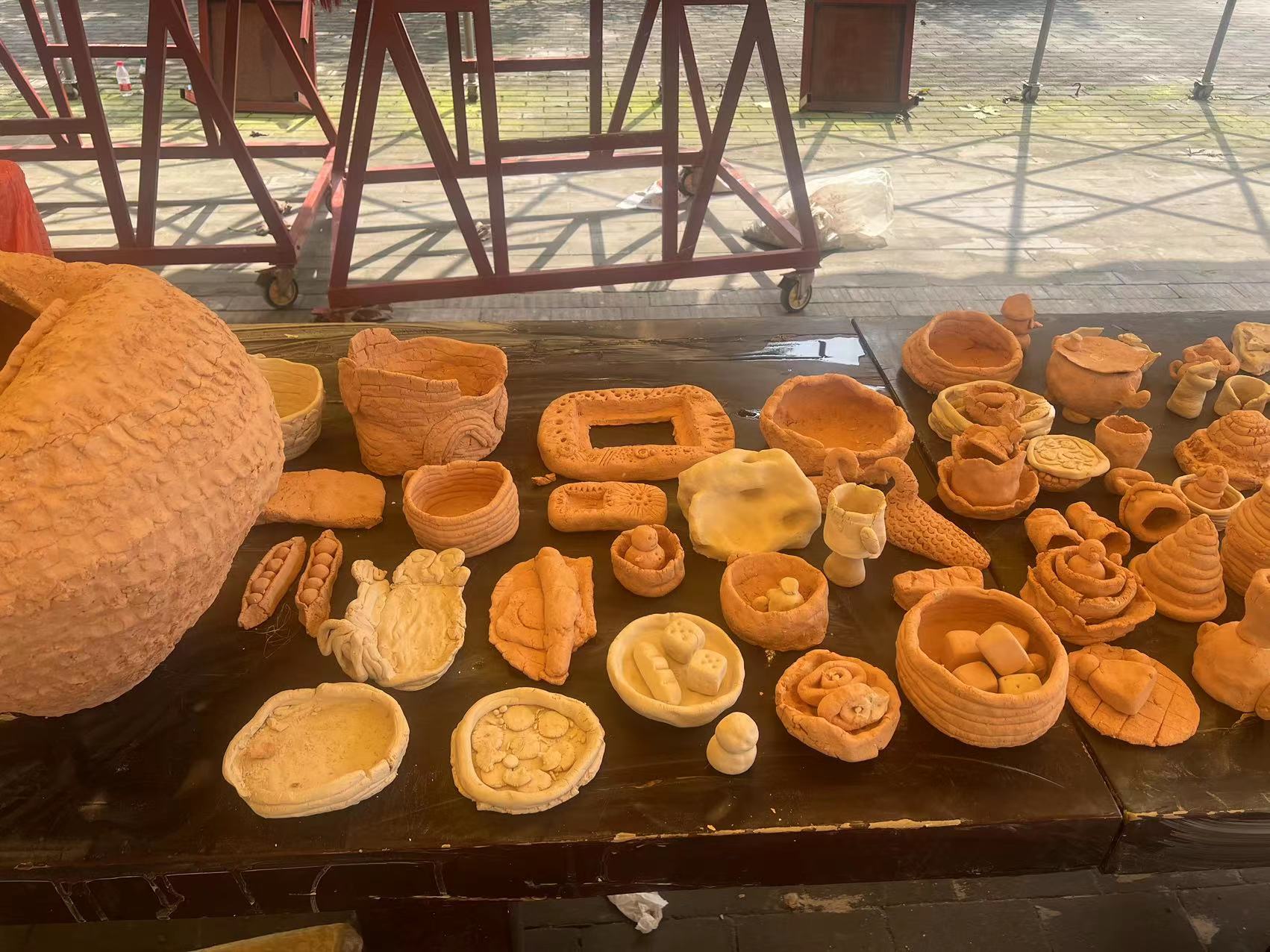
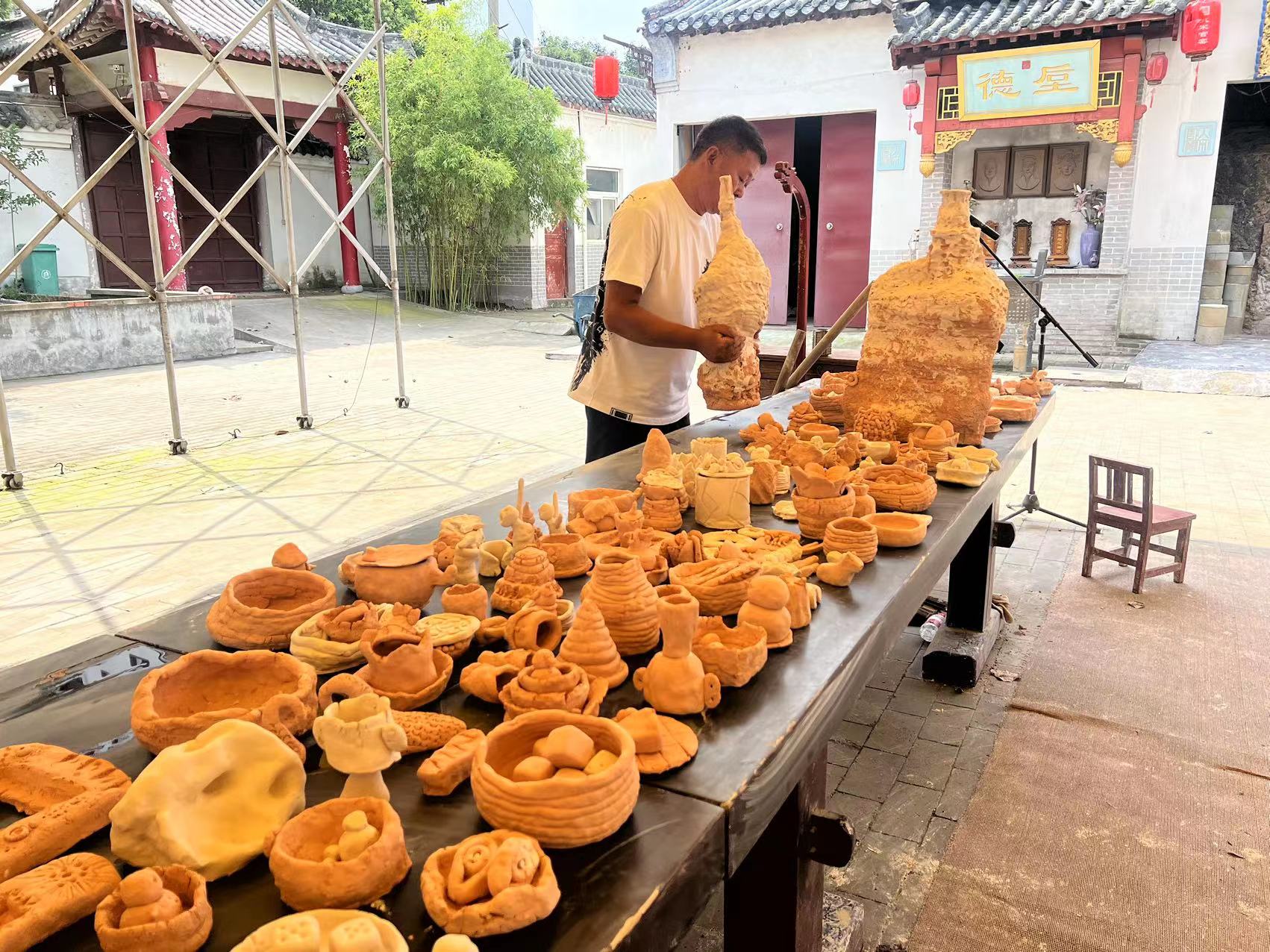
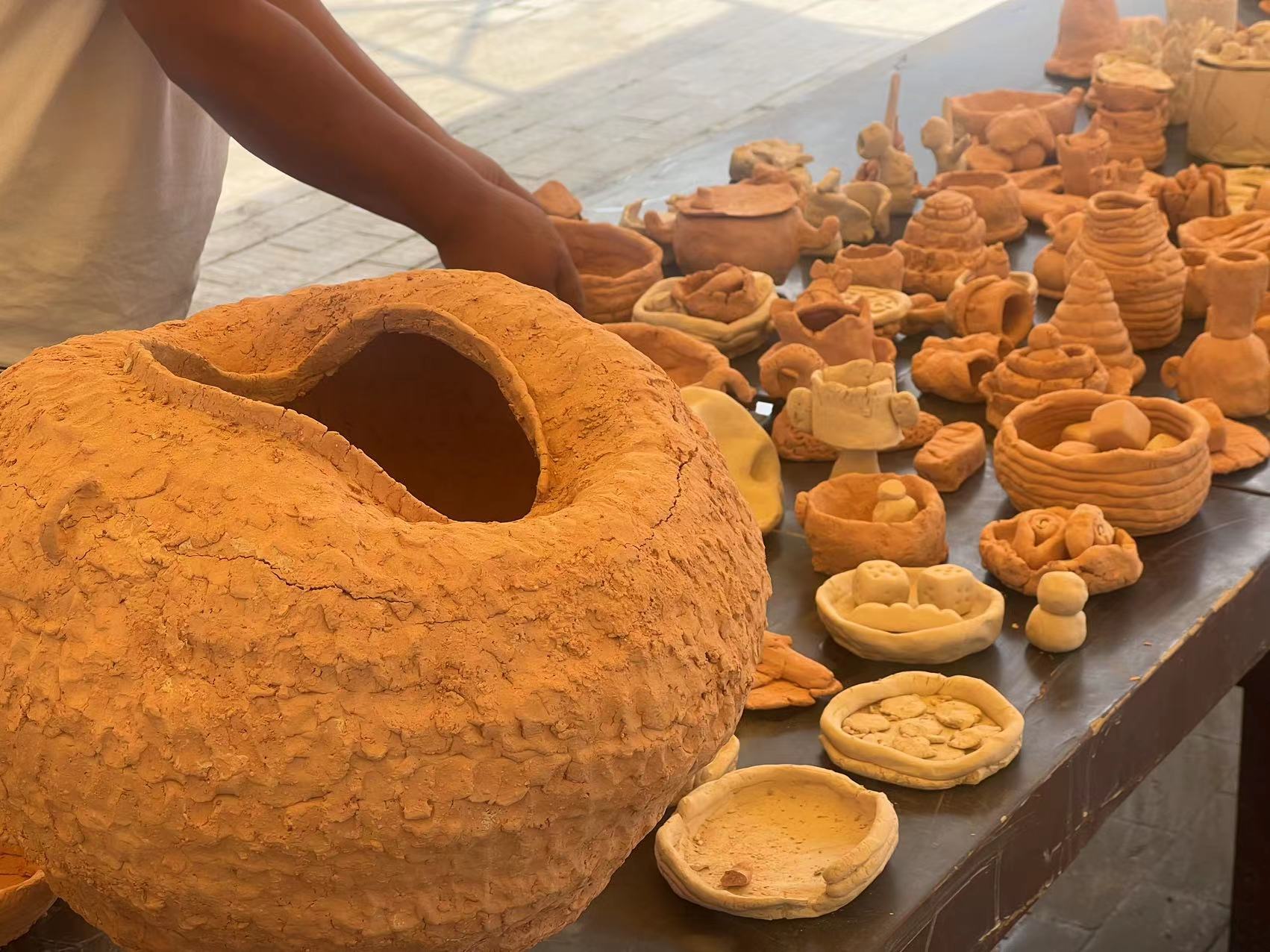
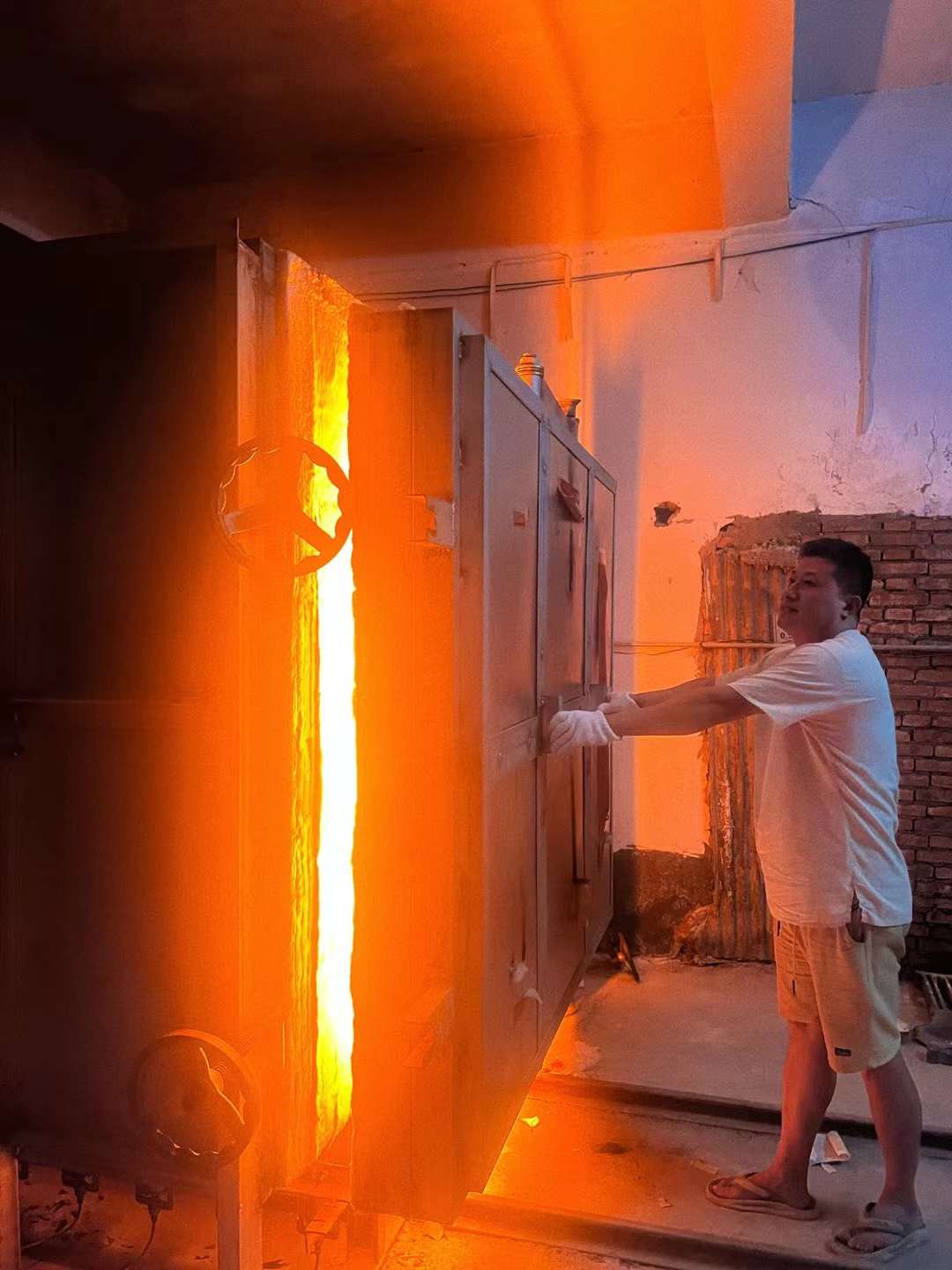
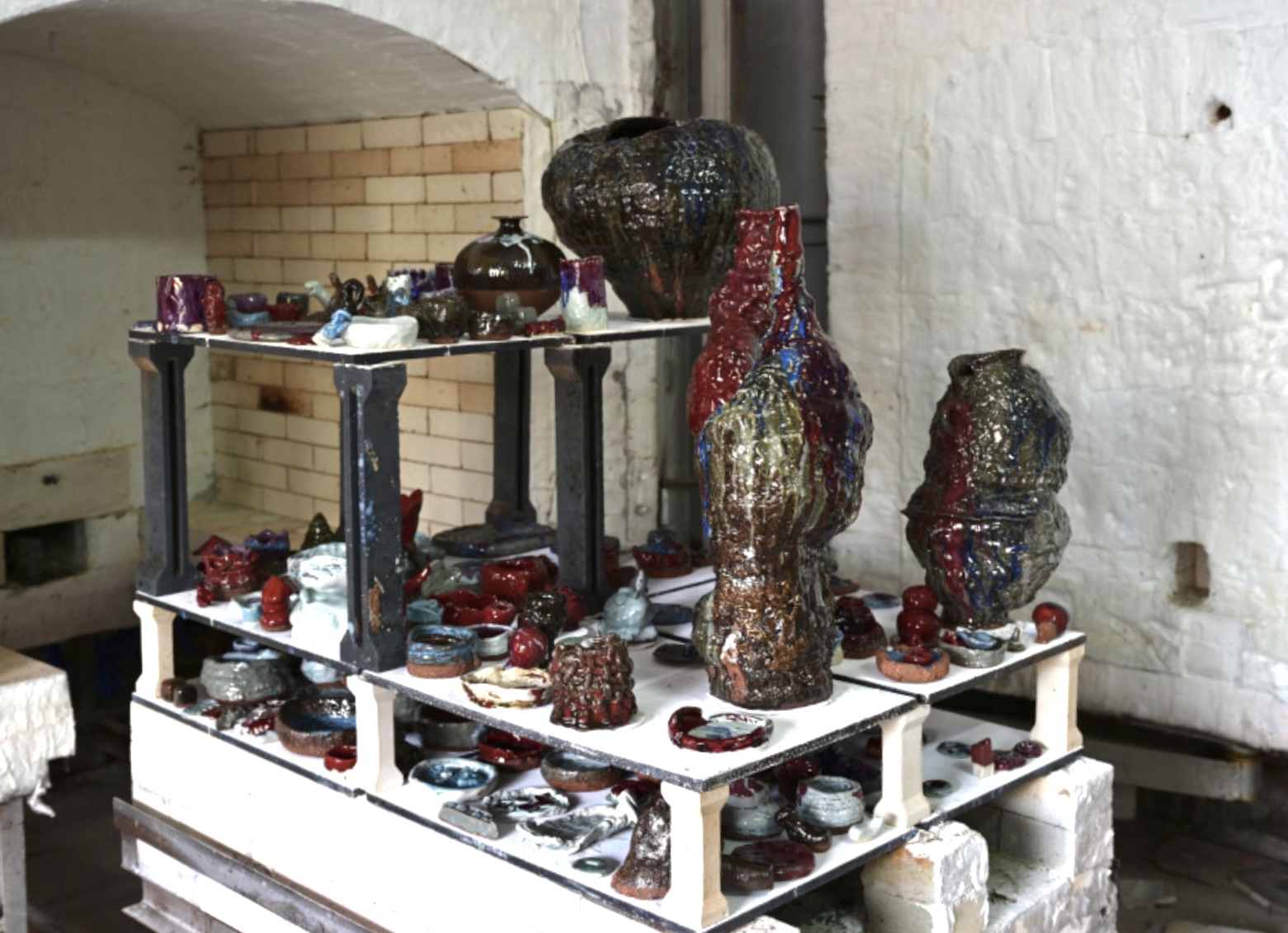
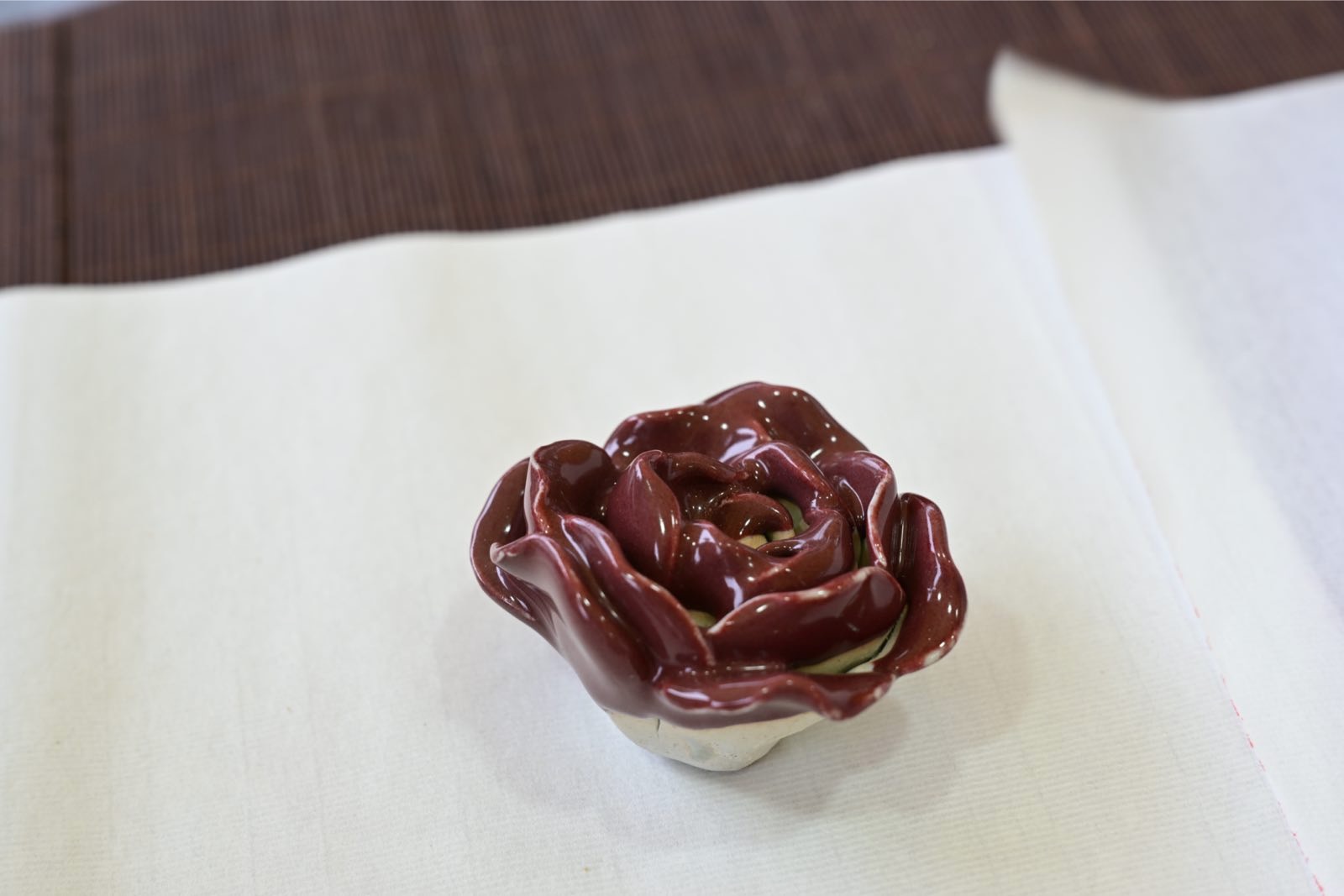
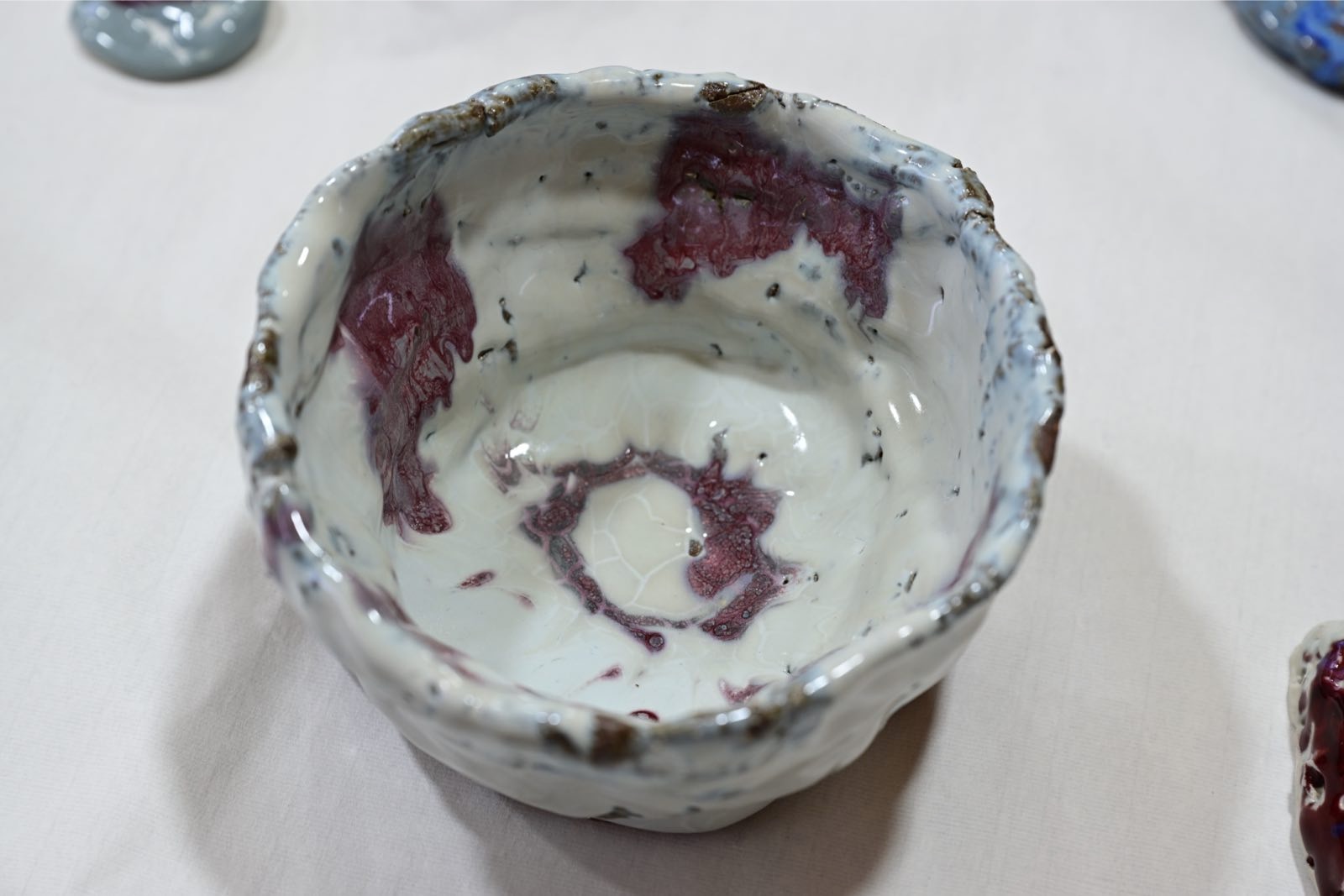
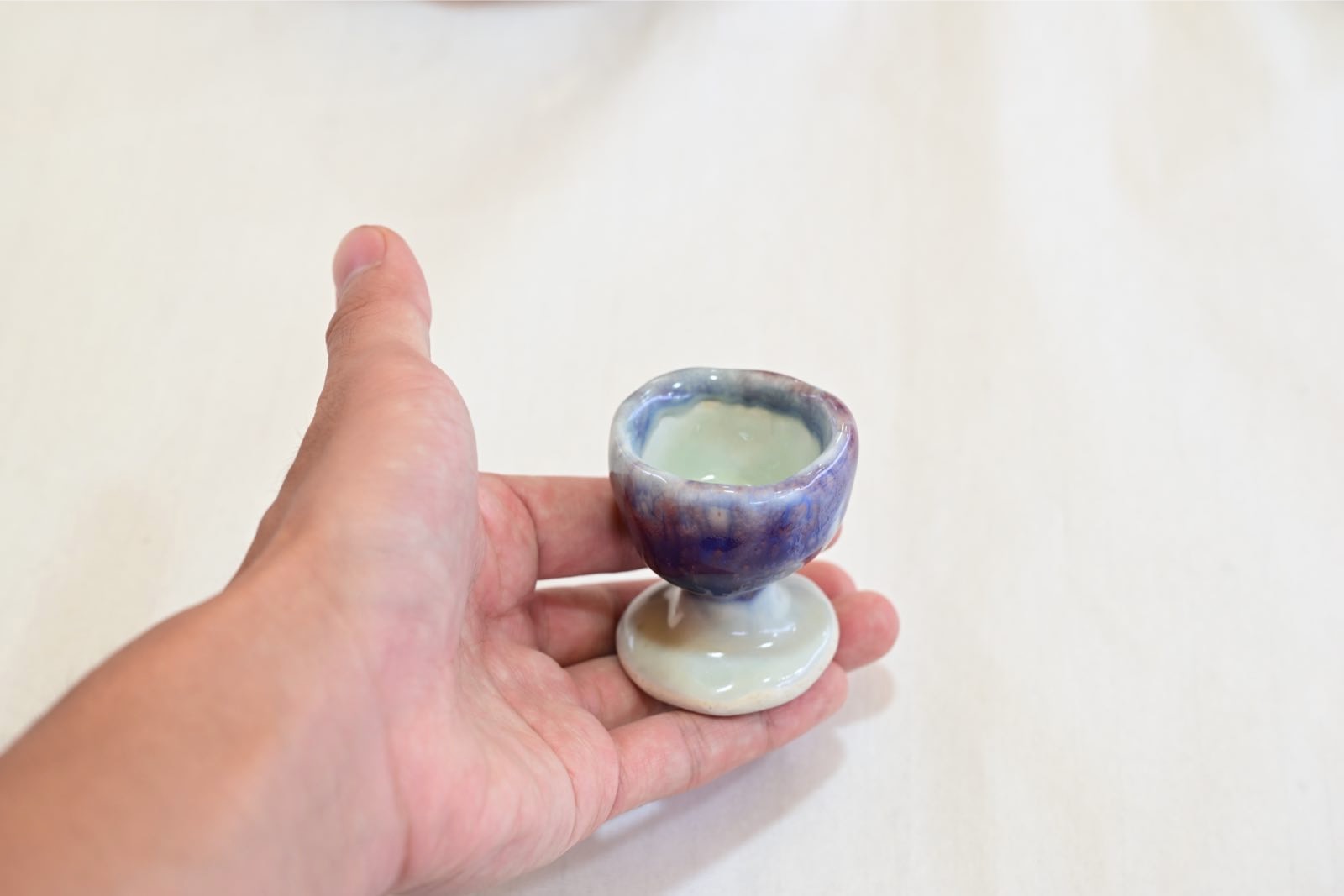
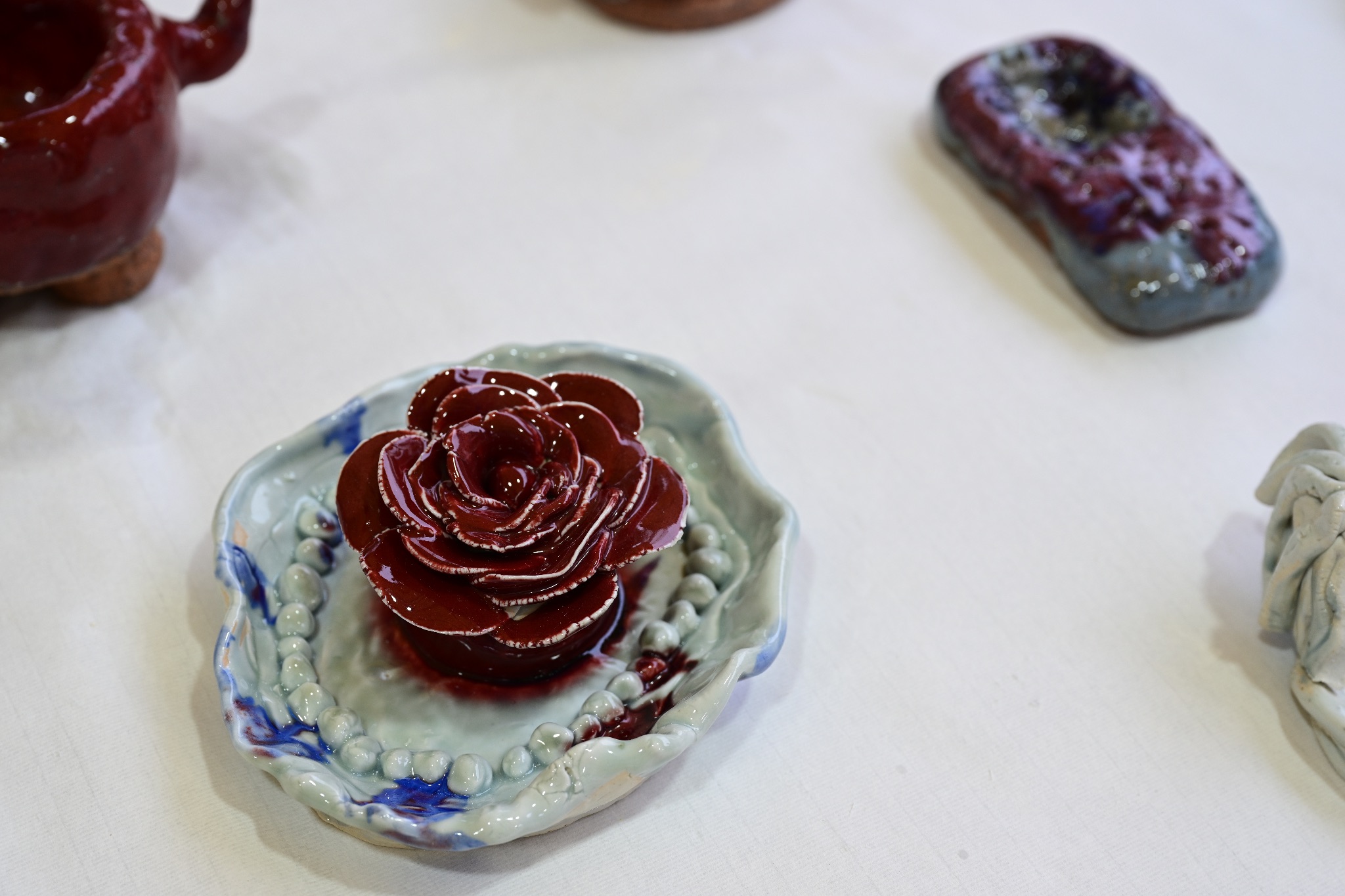
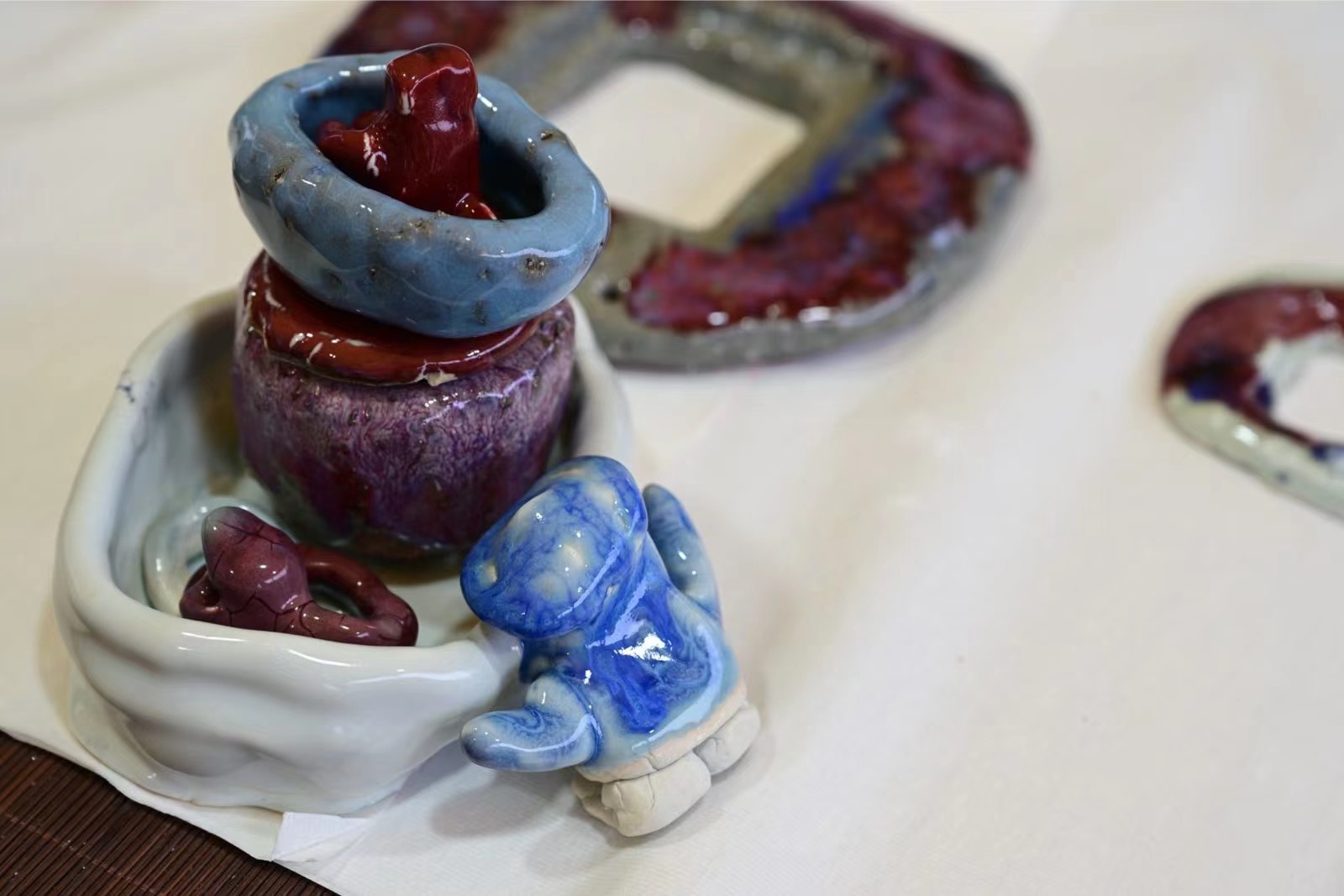
In pursuit of answers, we’ve embarked on a bold experiment, and education serves as the simplest and most direct experimental process. With the generous support of the largest porcelain factory in Shenzhou, the Da Song Kiln, and the Maharam Fund, we organized a summer ceramics camp focused on ‘contemporary art.’ This art workshop involved 30 local schoolchildren selected from the public. In this camp, we deconstructed the concept of ‘contemporary art’ and dismantled all preconceived notions about Jun porcelain. The result was an array of whimsical creations from a fully-charged kiln. For ten days, there were no rules, no requirements, and no homework. We not only supported the students with a studio art class but also invited a literature volunteer to guide the kids in writing statements and poems. In the first lecture, I introduced some contemporary performance artists who would have utilized the interaction between their bodies and clay to present their ideas, like my professor Nicholas Oh, and RISD alumni Nayoung Jeong. In addition, I also displayed some famous post-modernism and abstract painters, like Keifer, and Hilma af Klint. It is pretty brave and radical to discuss contemporary arts with these 10-year-old children in ritual. Out of expectation, the class was very communicative, enthusiastic, and inspiring. Most children are interested in abstract art with thoughtful patterns, colors and constructions. Kids’ active replies and exploration of those conceptual works also evoked my imagination about the abstract arts, which is way beyond the knowledge I learned from art history. Some kids’ parents audited our lecture and then they participated in the discussion naturally.
Meanwhile, the tug-of-war with the kids is exhausting. To be honest, the 10-day process of the workshop is also a big challenge for these little kids. Whether we can categorize these brief, heartfelt children’s creations as art is uncertain, but they unquestionably glowed with the radiant light of childlike innocence and sincerity. Like a charming, nonsensical melody or a handful of poetic verses, they encapsulated the pure essence of childhood and pointed to the innate artistry within us all.
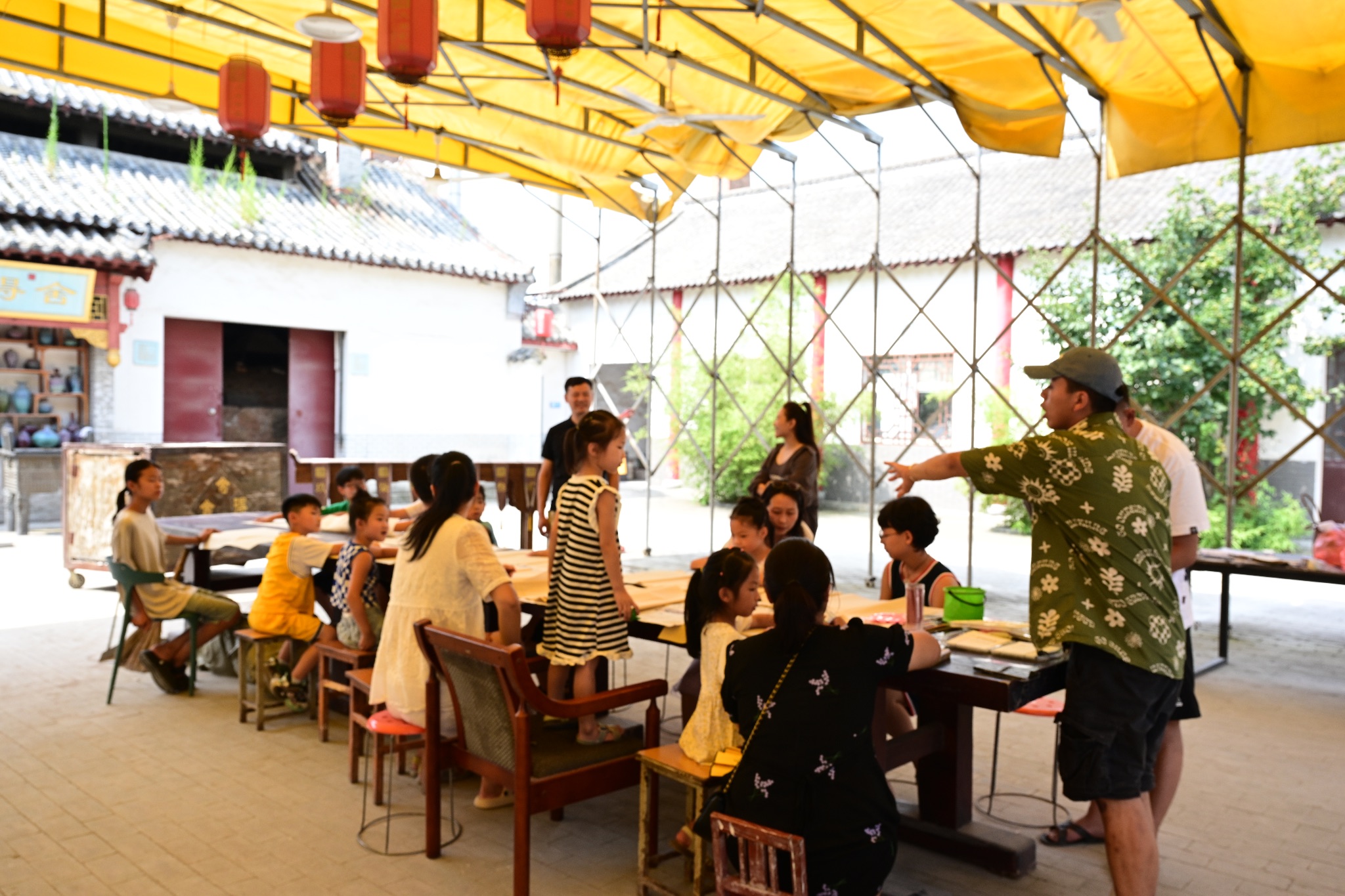
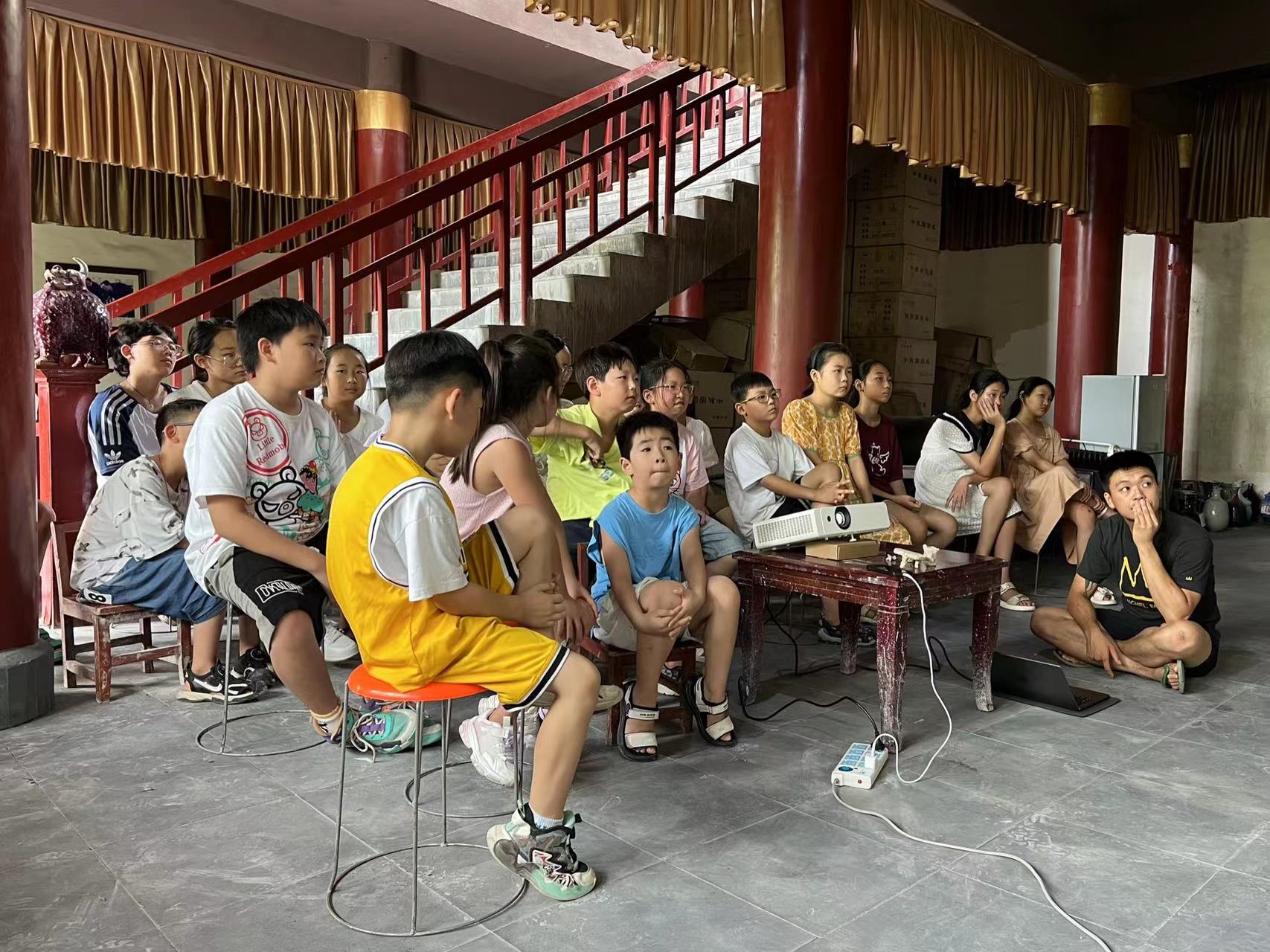
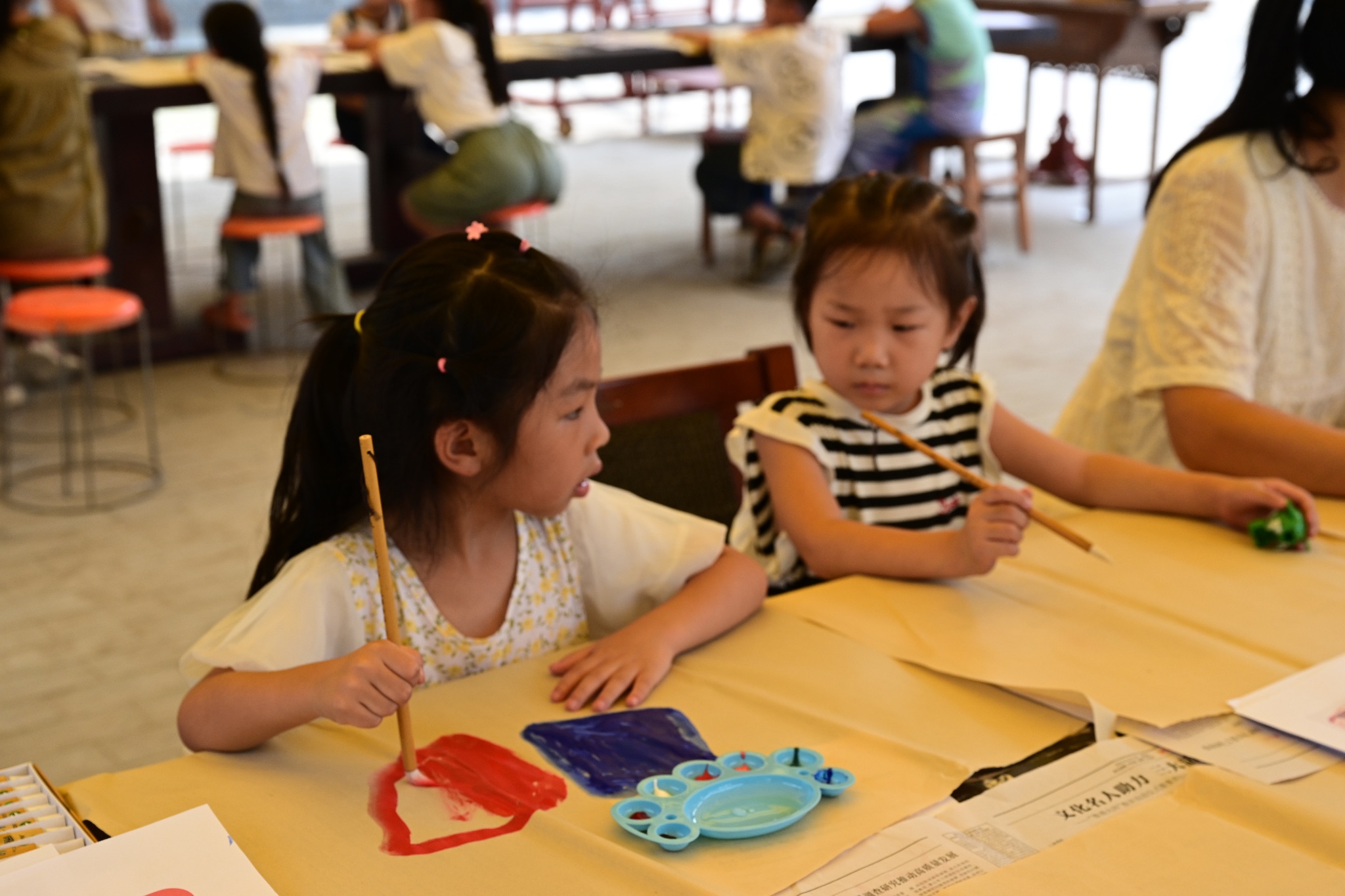

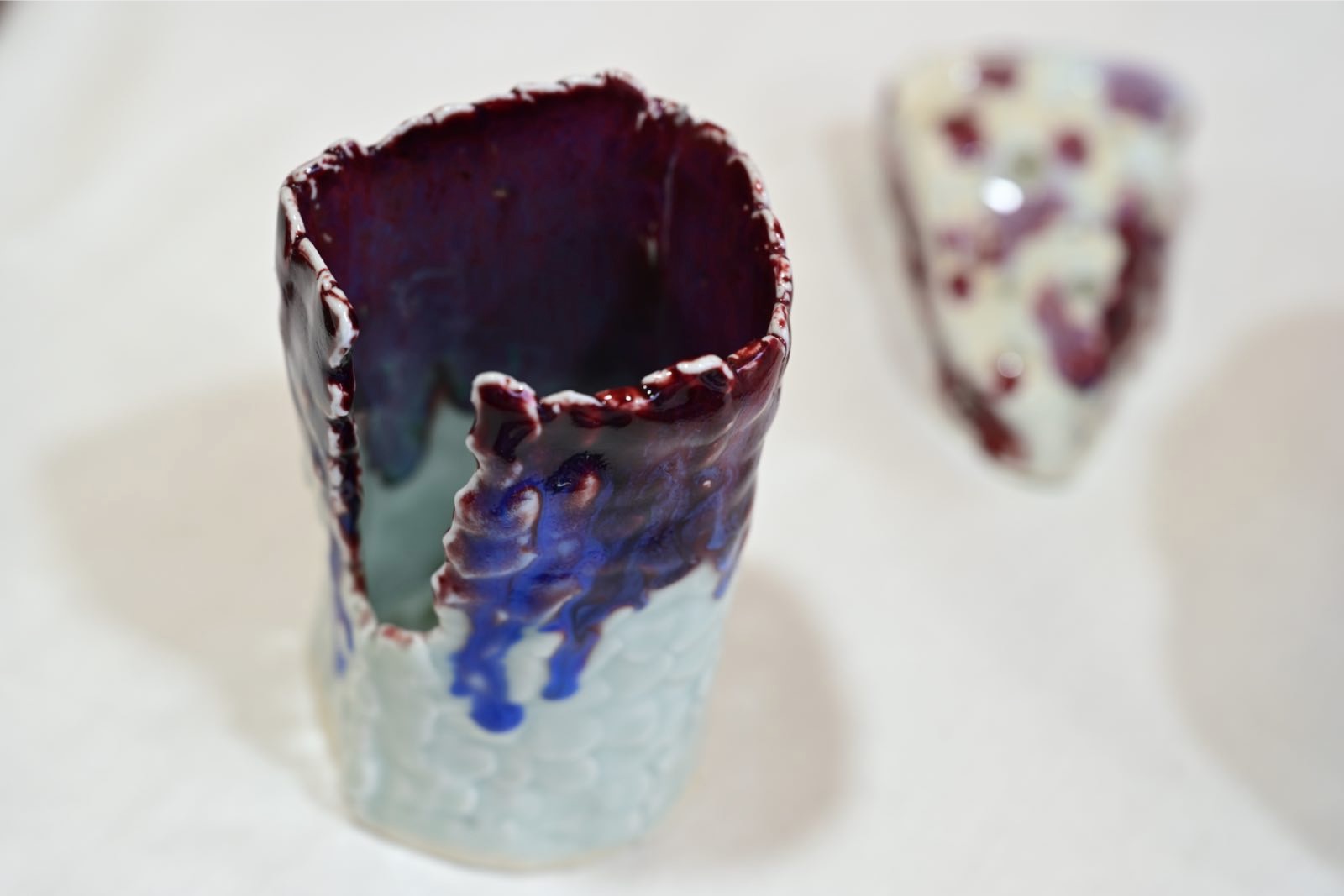
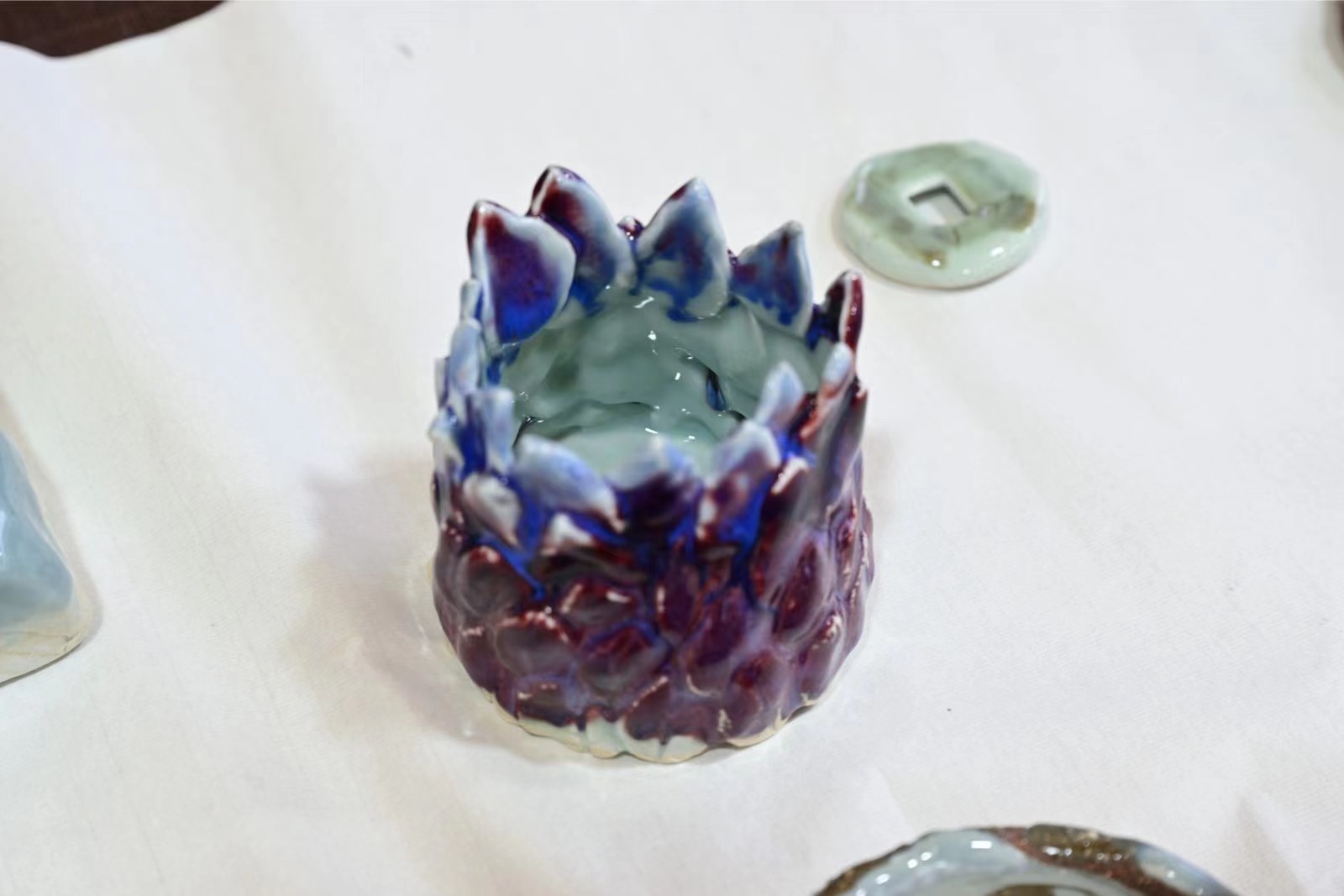
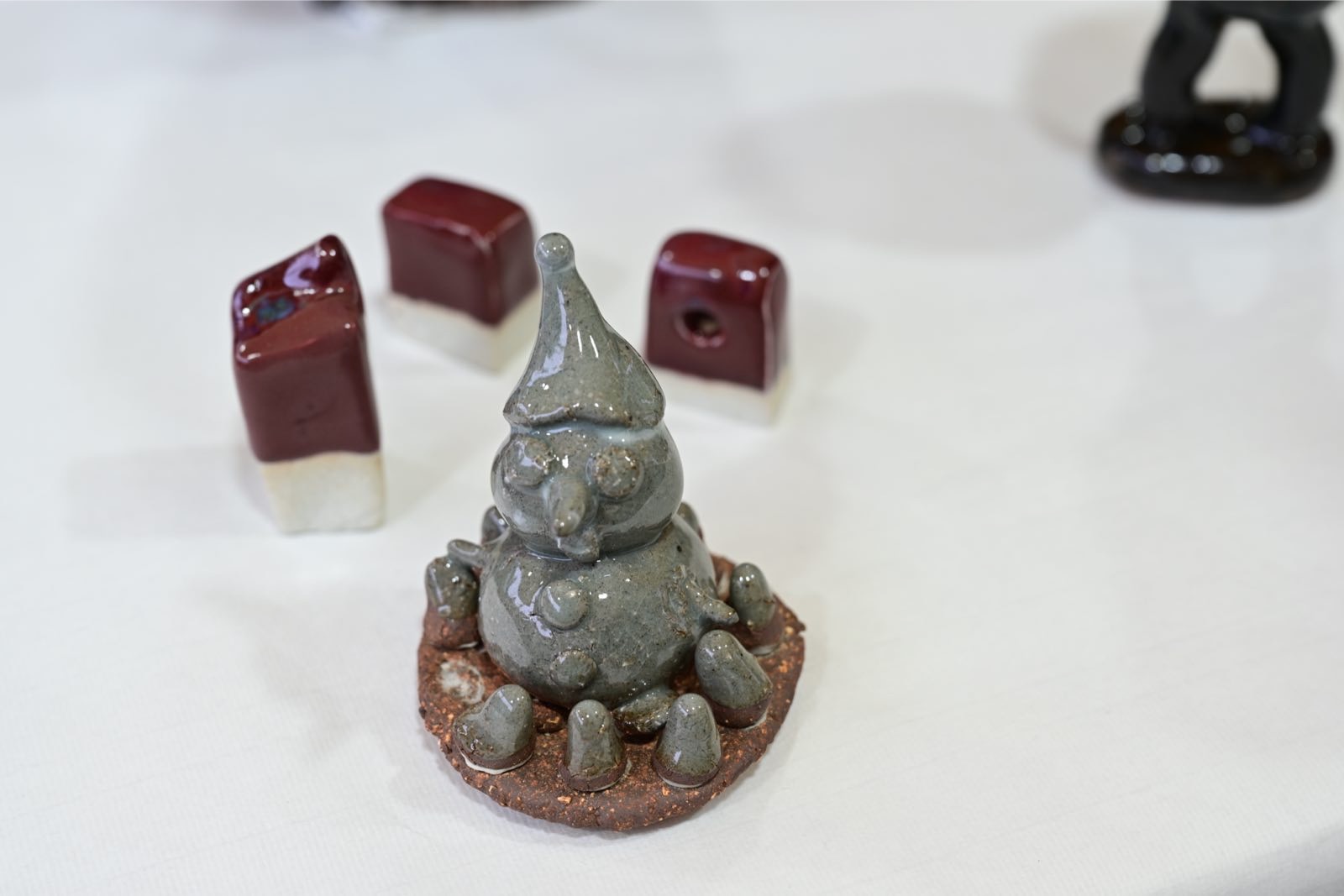
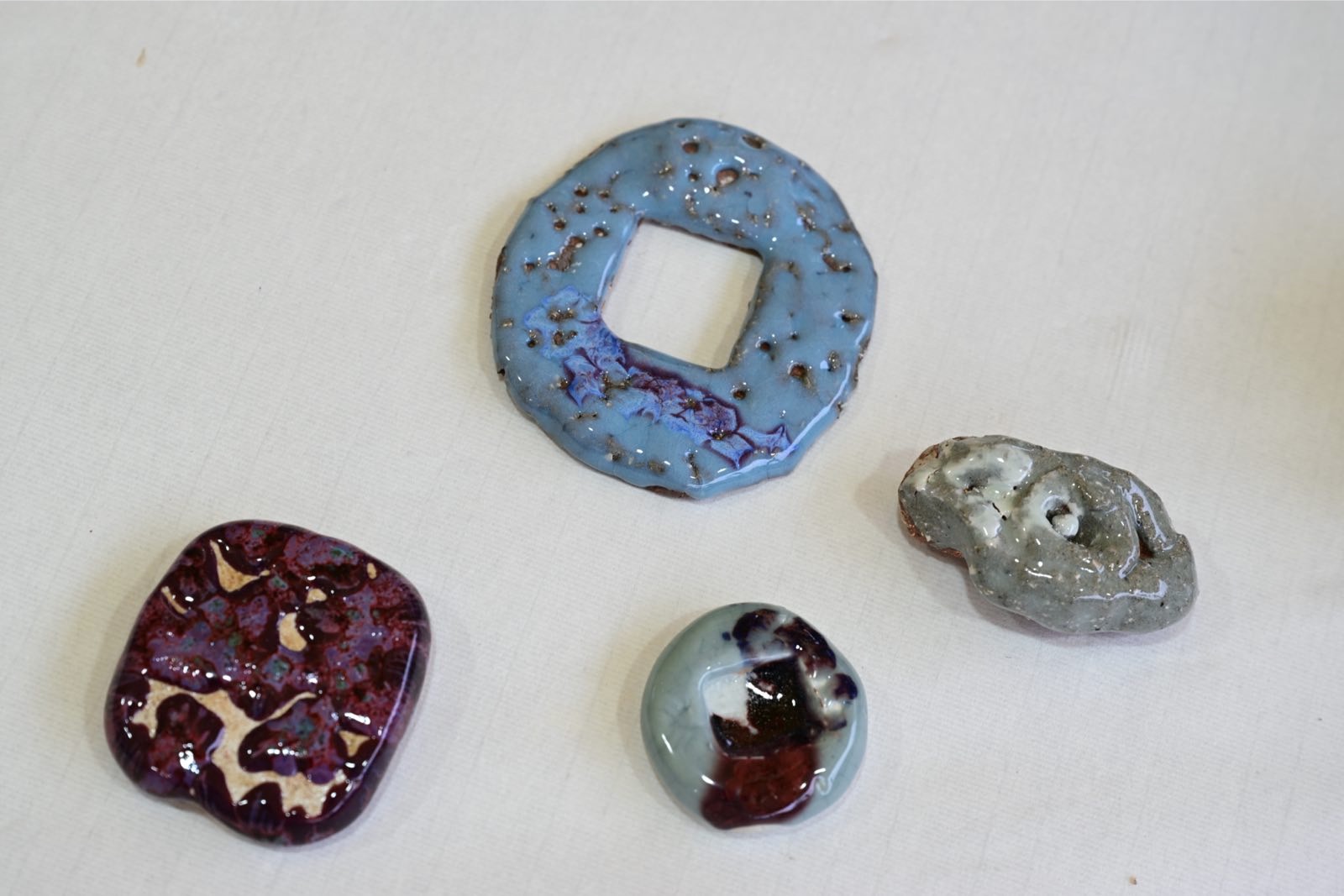
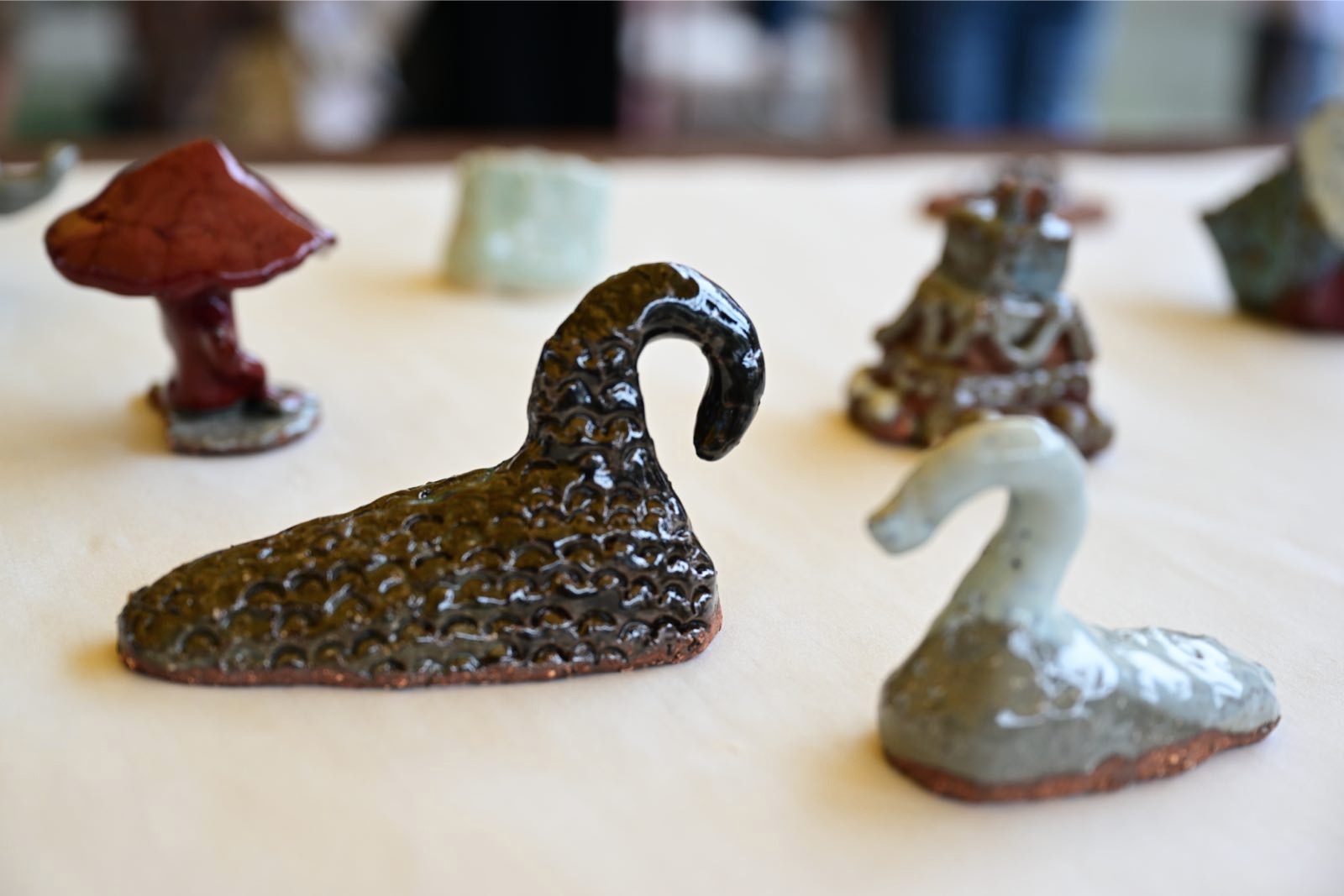
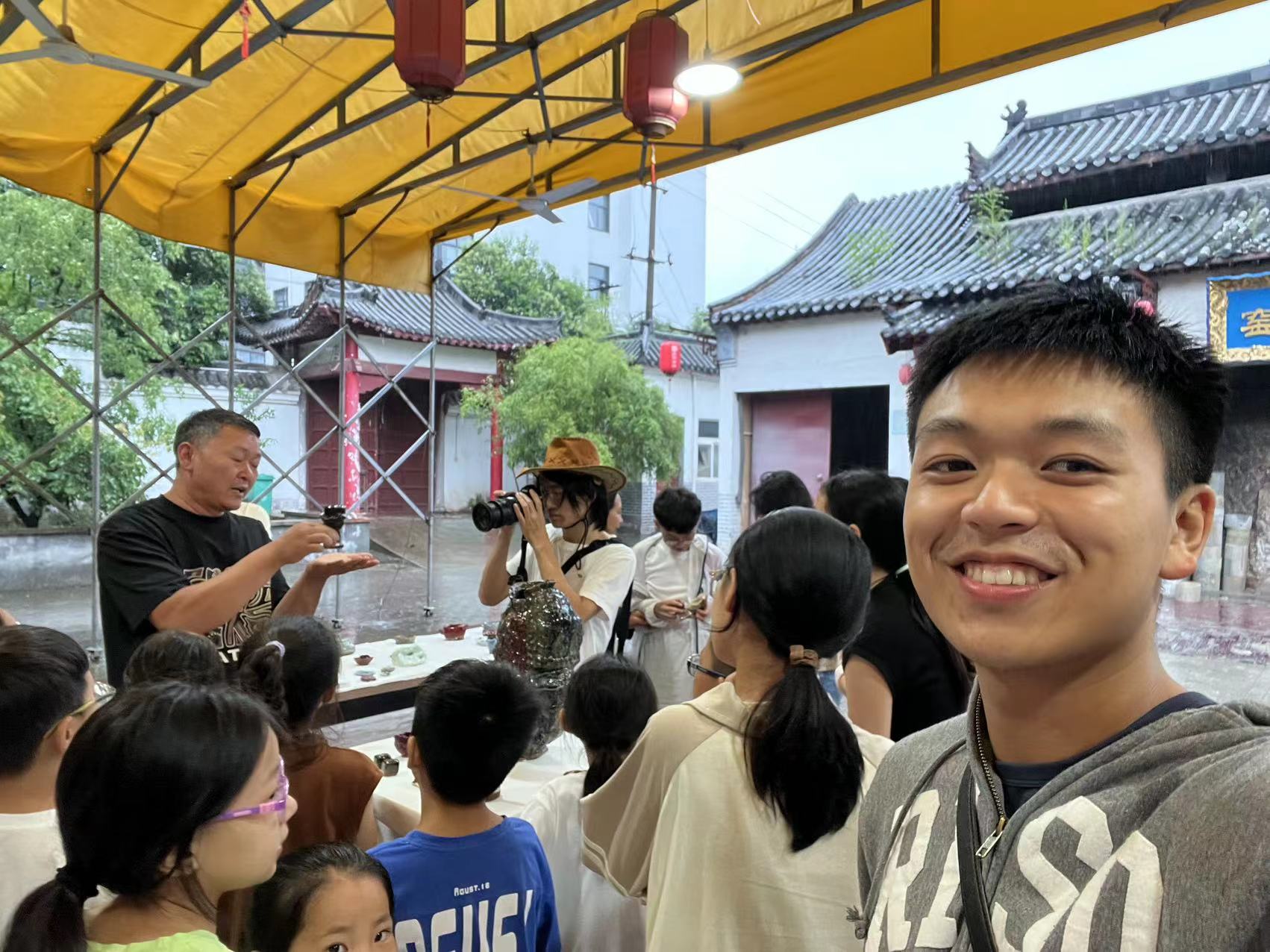
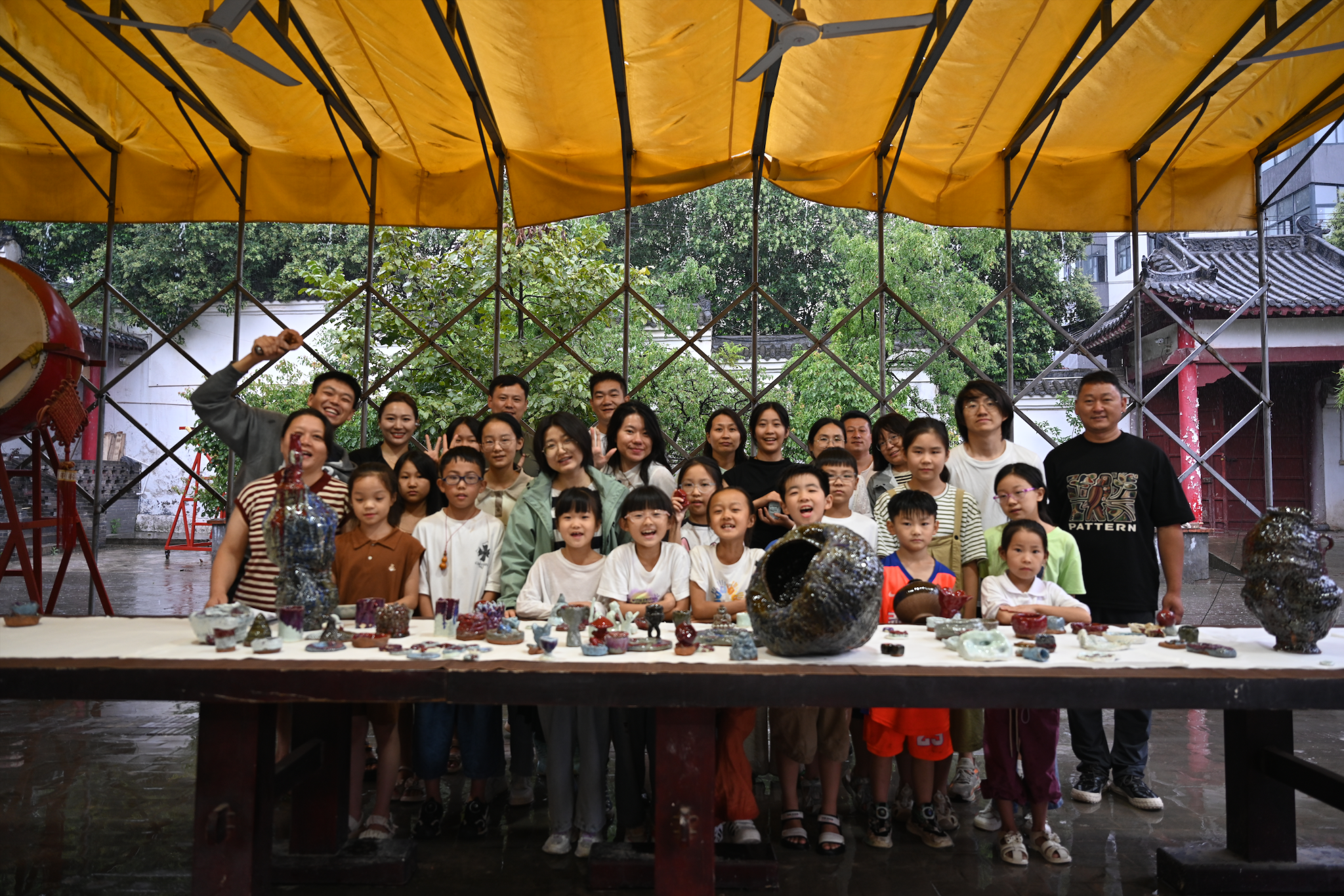

Merging me in the origin of Jun Ceramics
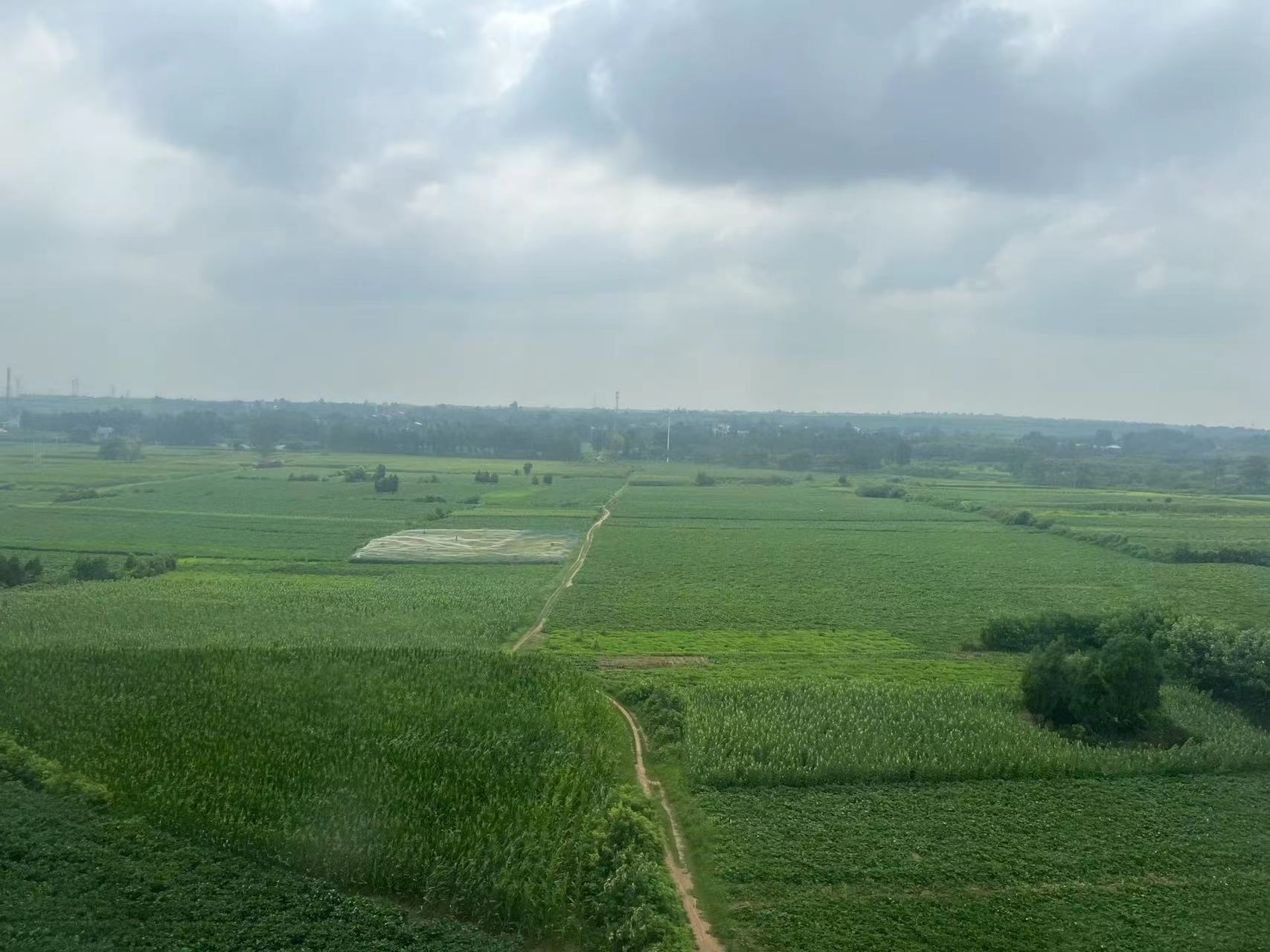
The view out of my train heading to Shenhou, Henan.

Long-distance travel from Baoshan, Yunnan to Shenhou, Henan.
The travel from Conggang, Yunnan to Shenhou, Henan is crazy and intimidating. it was such a long distance starting from the southwestern broad of China to the central plain of China. I traveled by motorbike, bus, and train from Conggang to Shenhou County, Henan, where I will be implementing my proposal for art and ceramic education. It was a true adventure. This intensive comparison educated me about the polarization, complexity, and diversity of this country with rapidly growing economic levels. Even though we are focusing on art education in Chinese rural areas, it remains a bold and challenging endeavor to efficiently and practically implement these educational activities. Nevertheless, the potential, talents and creativity still surprised and empowered me after witnessing the actual teaching in Conggang, Yunnan.
To be honest, the arrival of me at Shenhou bewildered me. Skhenhou is much more urbanized and developed than where I came from, especially in people’s recognition of the arts. I looked forward to starting my field study of the residents and having a connection with this county. My collaboration with Miao, the leader of Rye Wave, who is a native of Shenhou, Henan, greatly facilitated my integration into the Shenhou community. In addition to knowing the basic rituals, arts, ceramic market and even folk cultures, I exploited the resourcefulness of Miao’s family ceramic industry Song Royal Kiln. They gave me a brief and clear introduction to the general ceramic world in Shenhou, plus a vehicle – an electronic motorbike – to help me hang around in the county. Besides, I gained big privilege to profoundly dive into every step of this huge ceramic industry, including design, production, marketing, administration and delivery. Song Royal Kiln is like a cat’s eye on the mysterious Mansion, allowing me to quickly glimpse into the secretary world of traditional Jun ceramics.
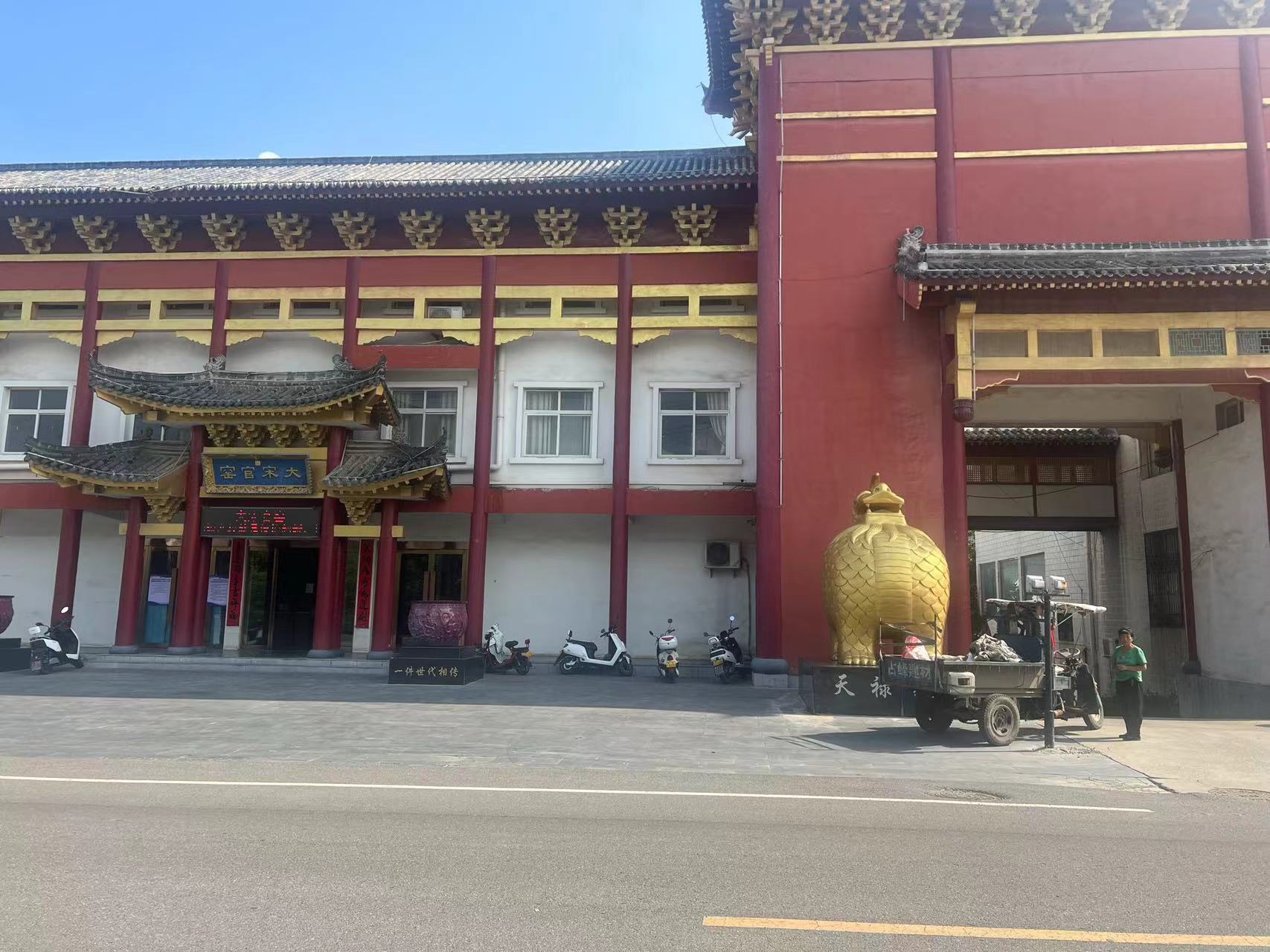
The help from Song Dynasty Royal Kiln
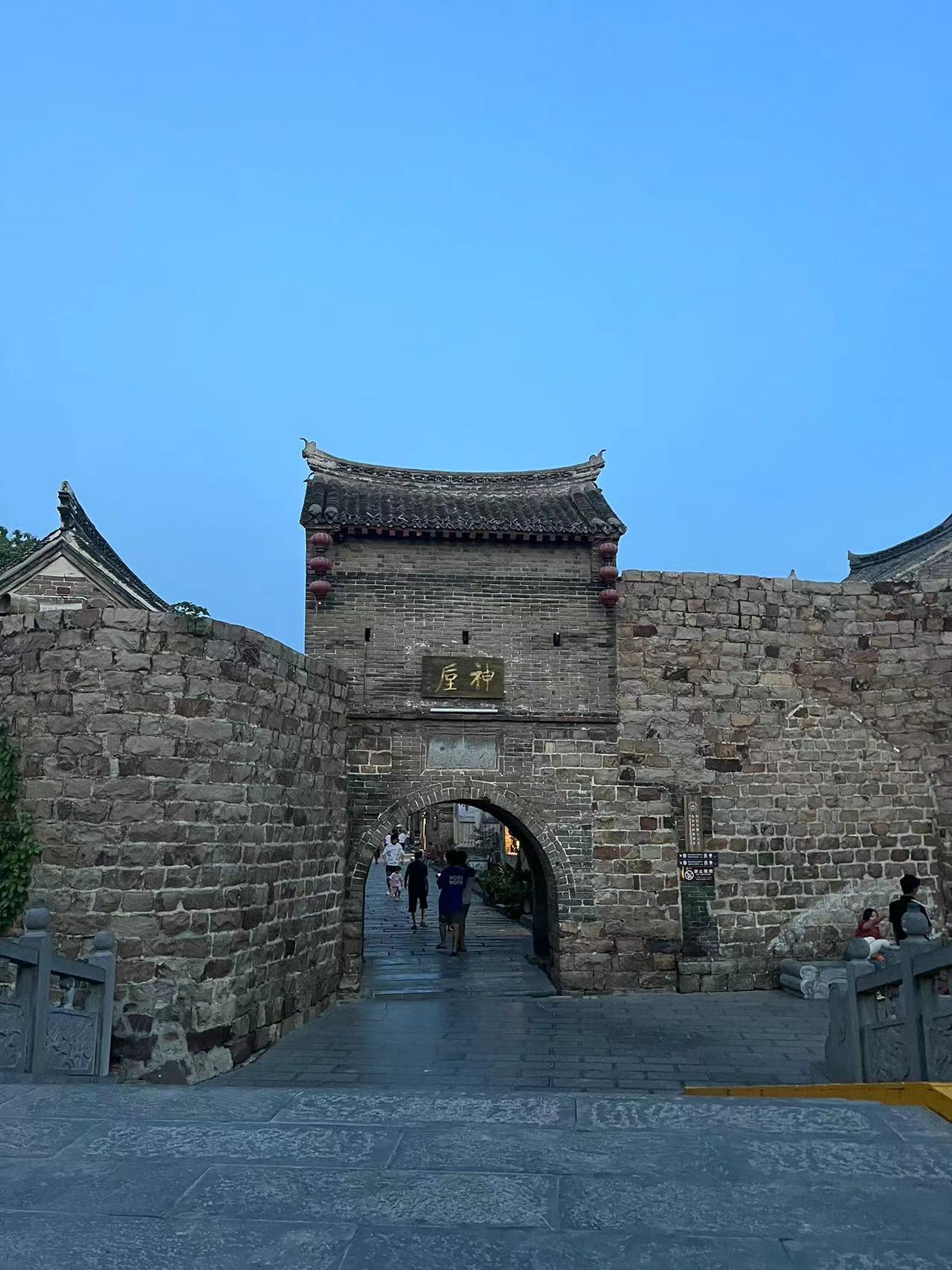
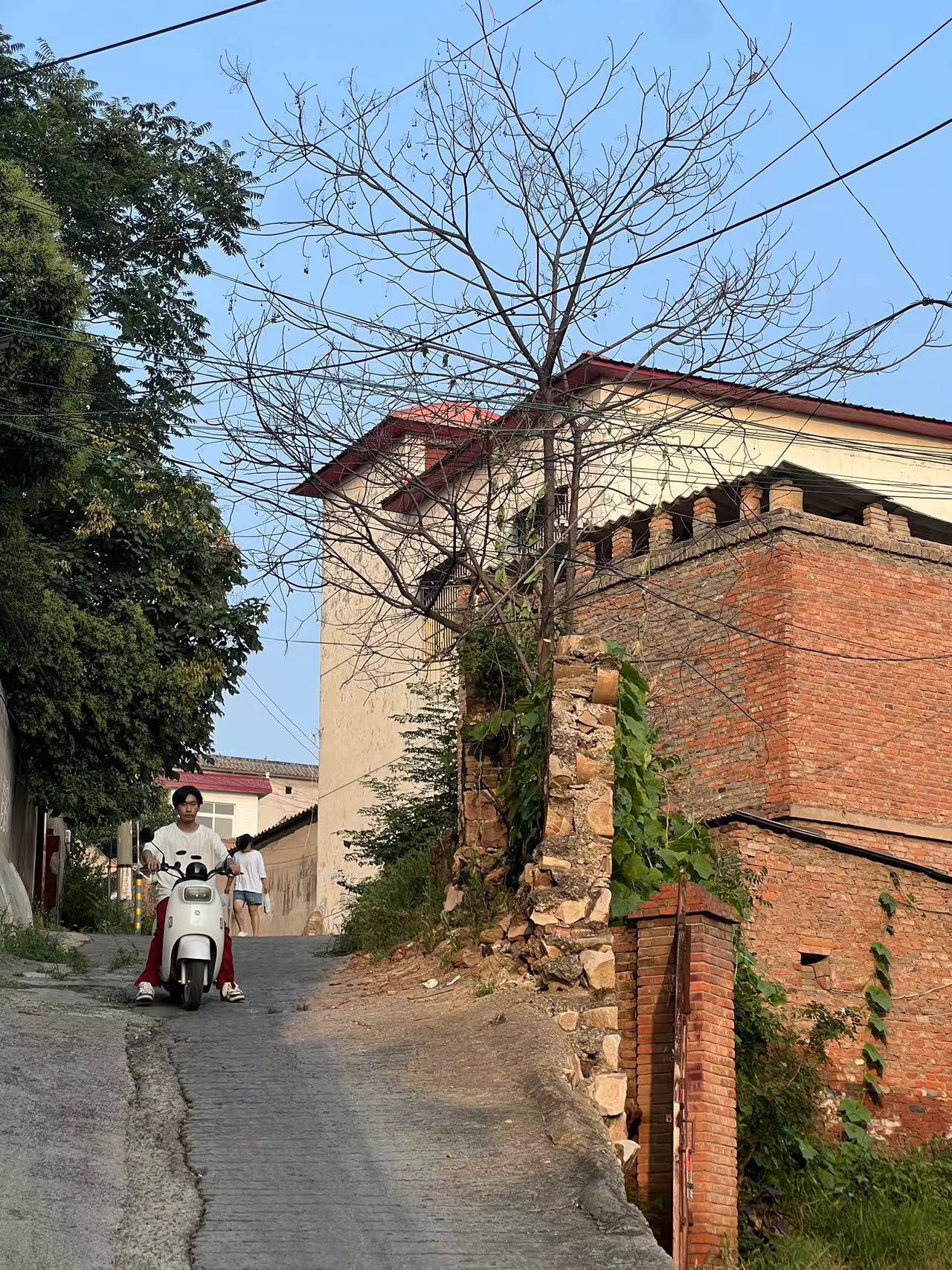
Location of my Chun ceramic workshop: Shenhou, Yuzhou
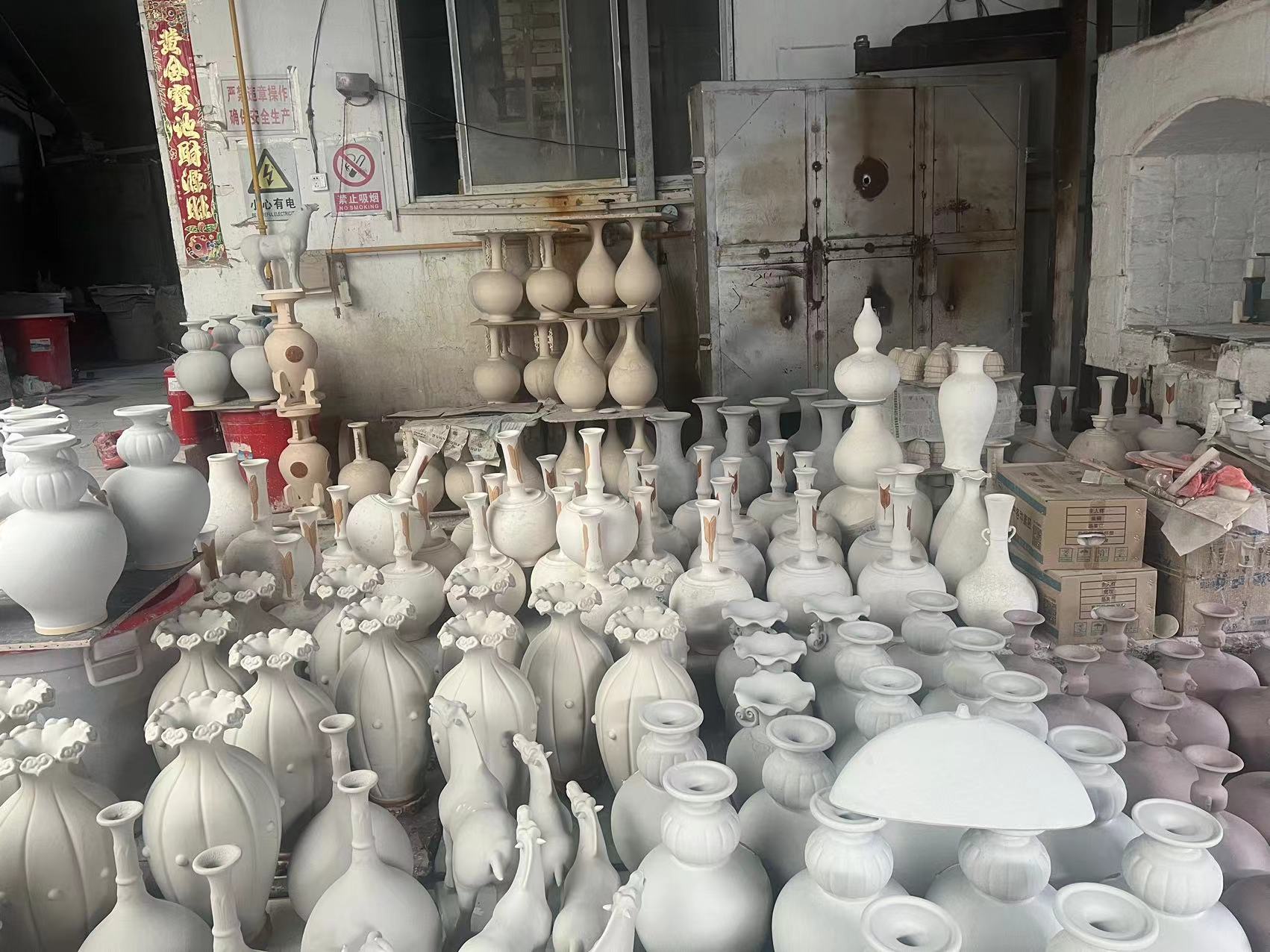
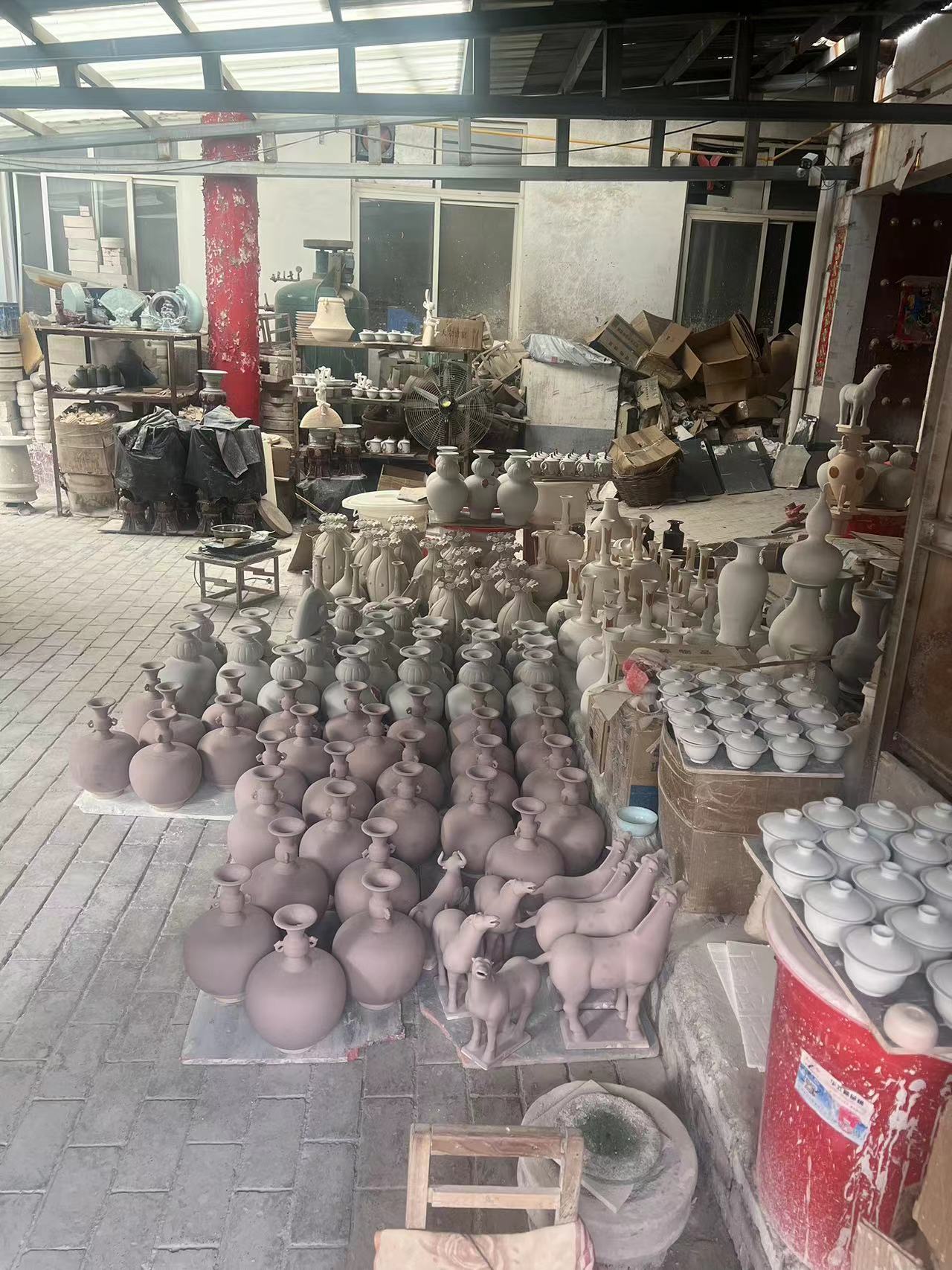
Song Dynasty Kiln helps me fitting in the Jun ceramic industrial smoothly

This whole county is all about Jun ceramic making

Tranditional wood-fire process
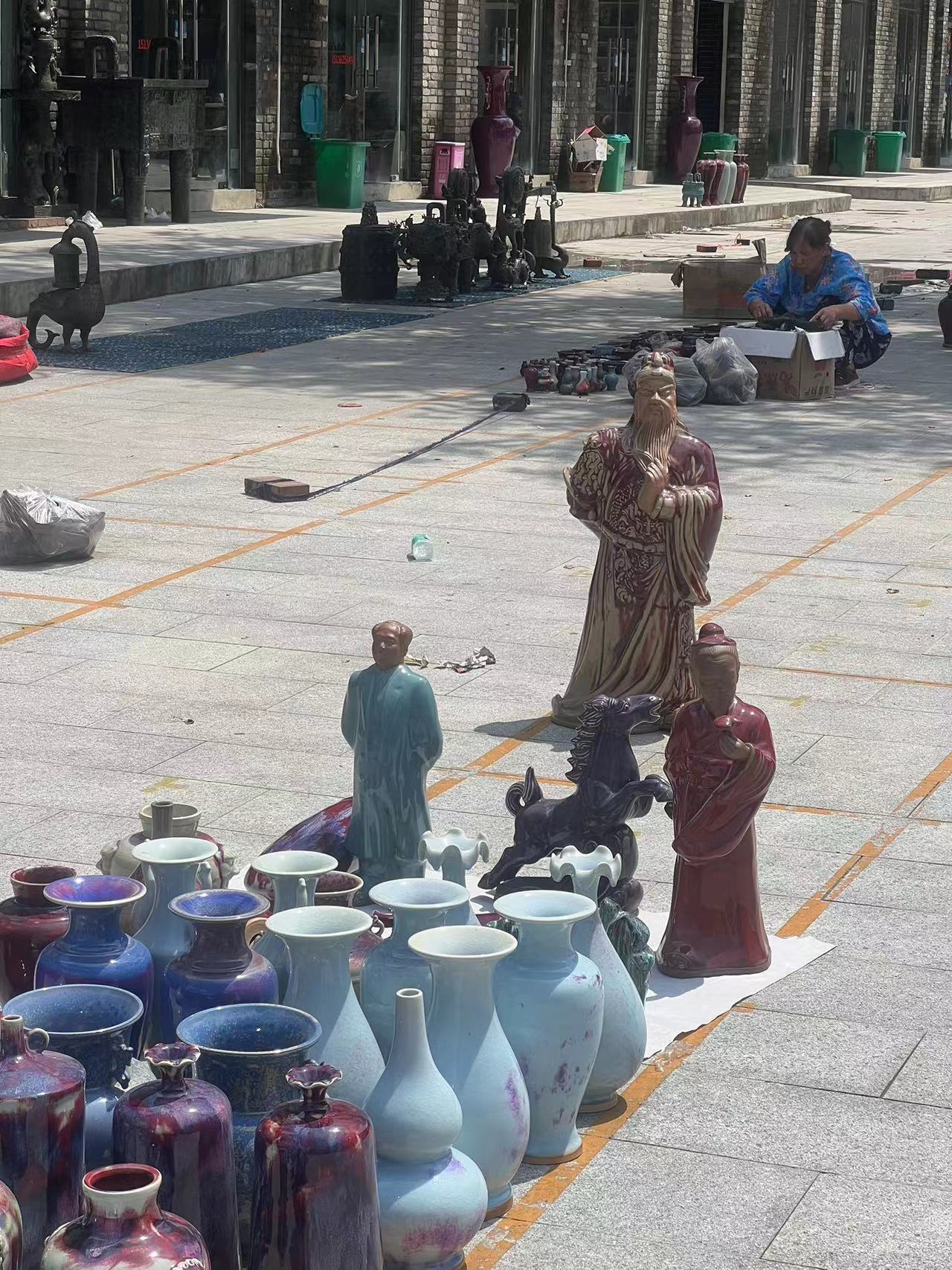
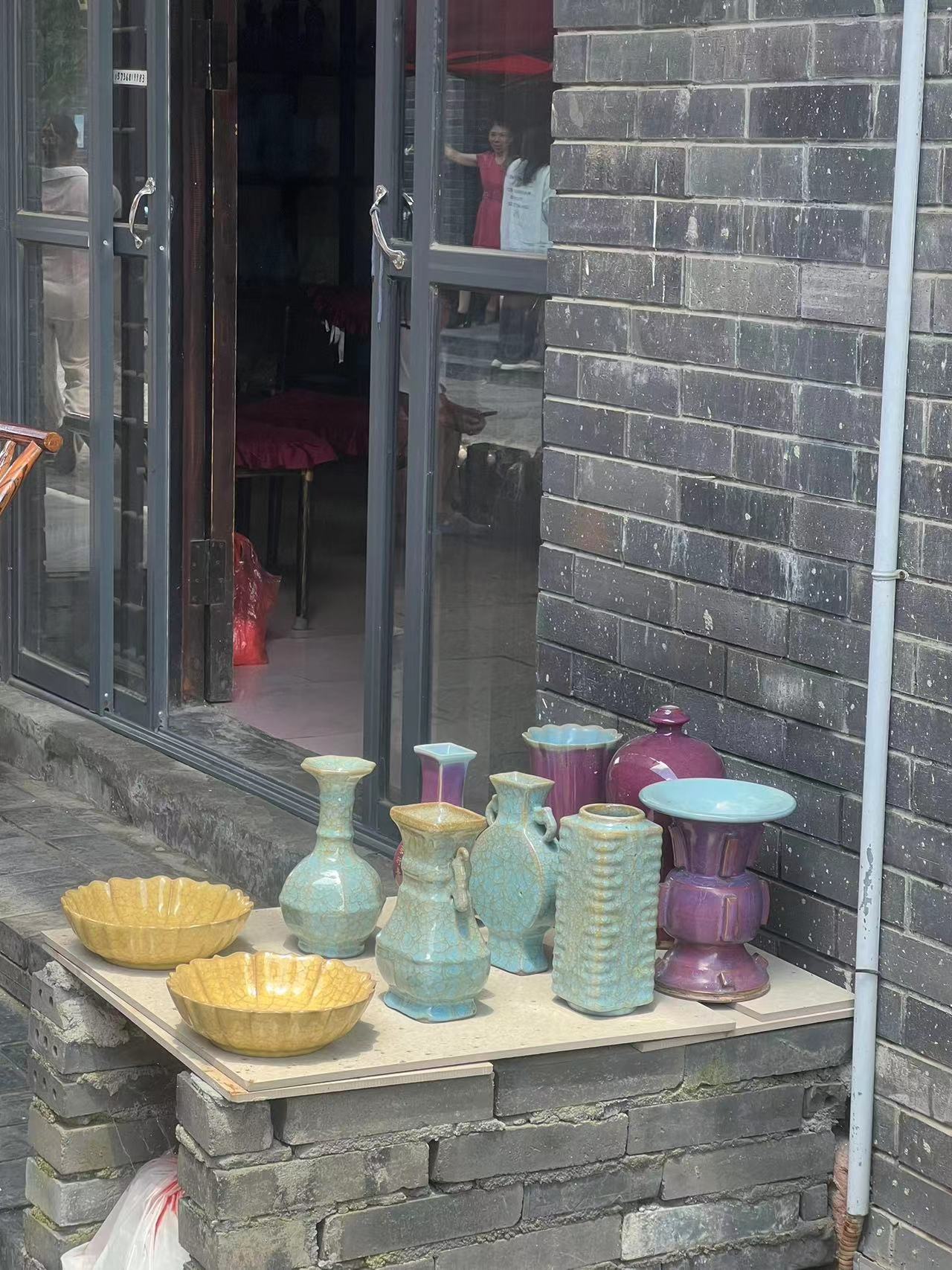
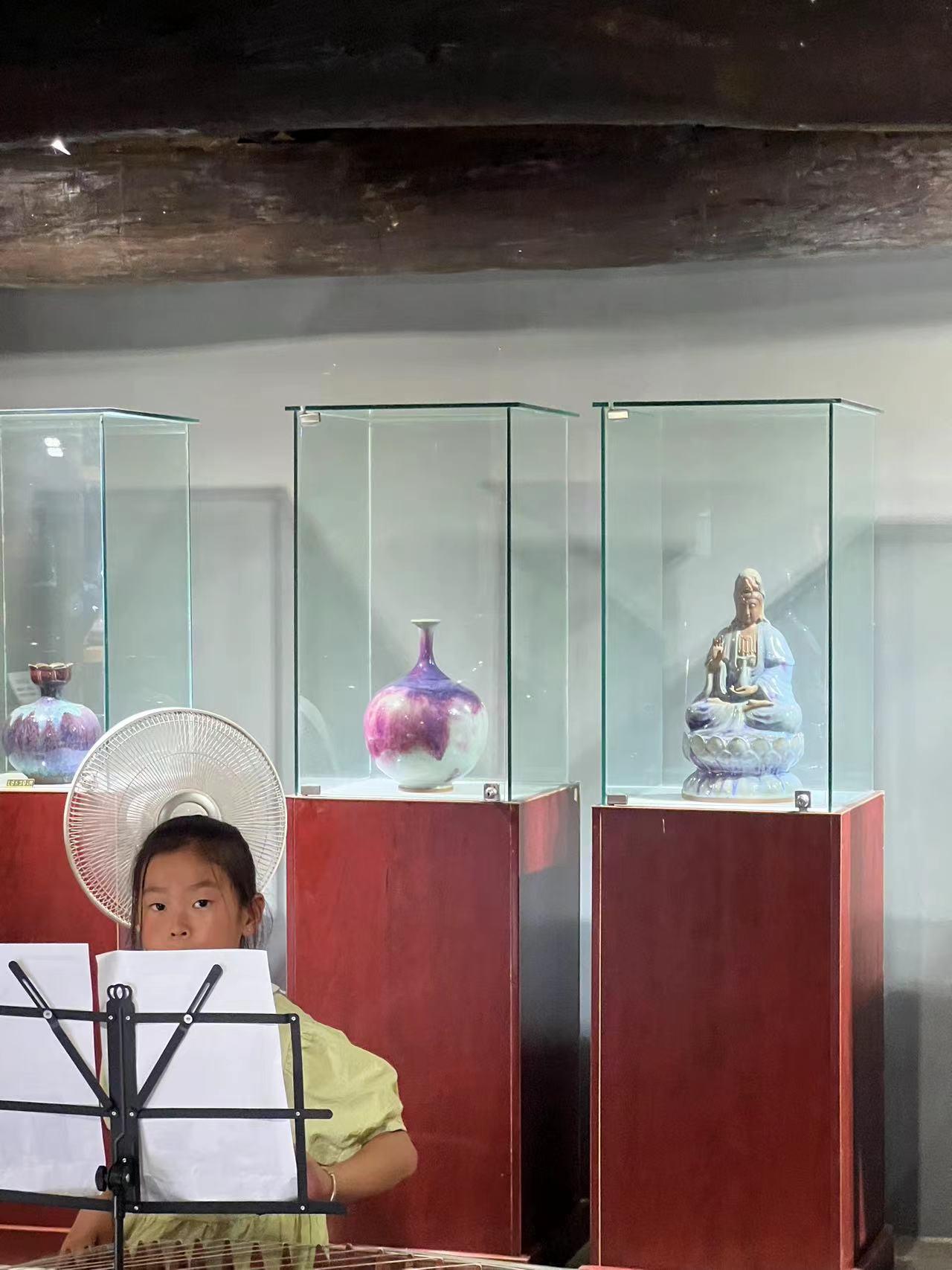
Except for the teaching and administrative part of my job in this fellowship, all communication between me and the residents is becoming my largest gaining in the process of my practicing. I enjoy this kind of old-fashioned way chats with the neighborhood on the street, purposelessly. Some of them take a walk after eating dinner, and some of them cool off under trees in this little county. Everything goes slowly and peacefully, while everyone slows down their steps. After talking with some local parents and elementary students, I found the absence of professional art education. The Chinese government has implemented nine years of compulsory education, but art classes in actual schools have often been overlooked or crowded out by other subjects such as math and literature.
Even though people are surrounded by traditional Jun ceramics, most of them have no concept of generic ceramic arts or the arts. To the public, Jun ceramics have become an iconic symbol in the historical culture. Nevertheless, one of the essential distinctions between parents in Henan and Yunnan is that they were more than willing to send their children to participate in the non-profit program. They were aware of the demand for art education in rural areas. So the advertising and enrollment of local students have been very smooth and successful, and some parents are fully supportive of our public education organization. However, most of the parents in Yunnan just considered us as babysitters for their children’s summer vacation.
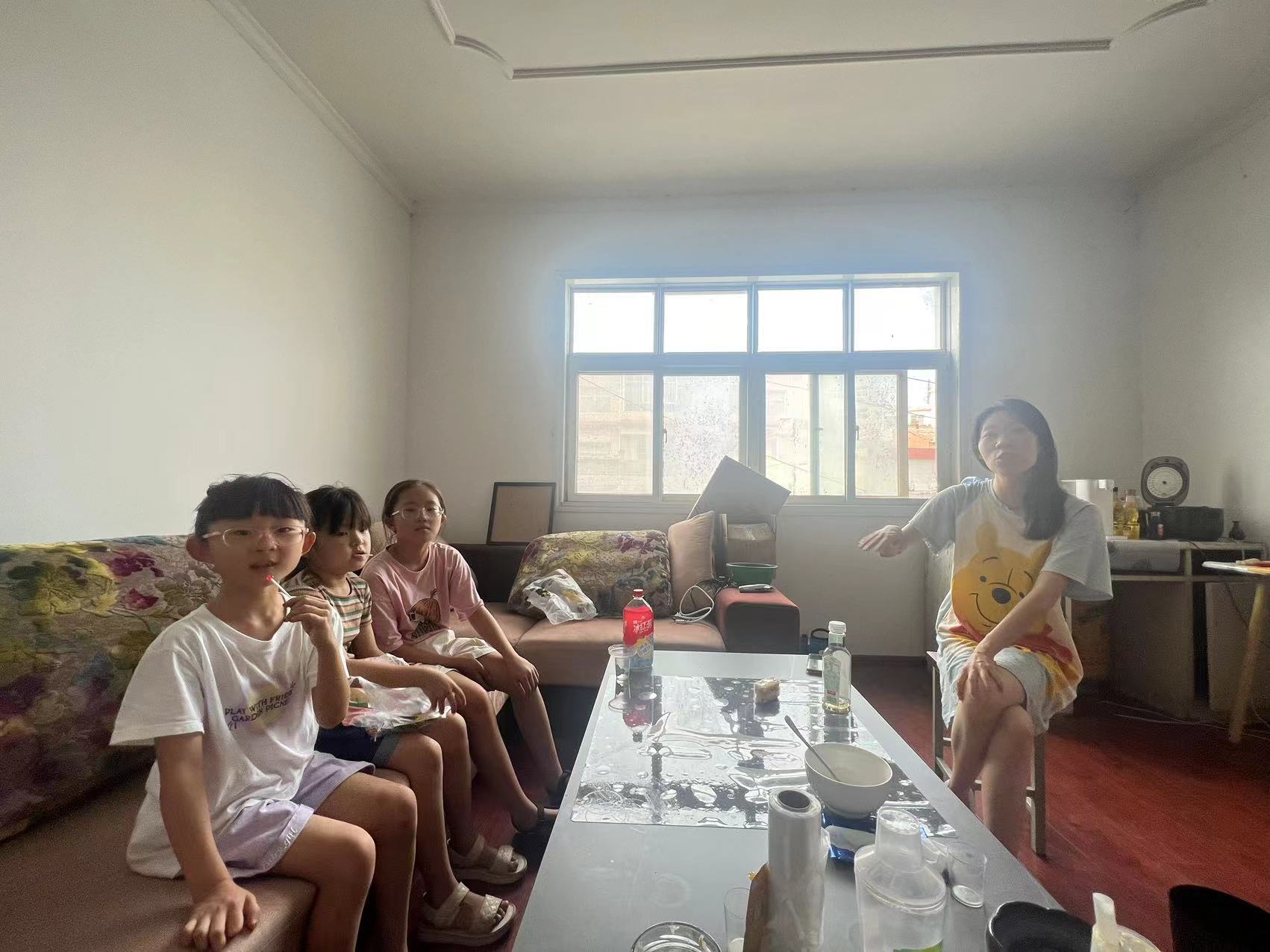
Family and studio visit with the local residents.
The advertising and enrollment of local students have been very smooth and successful
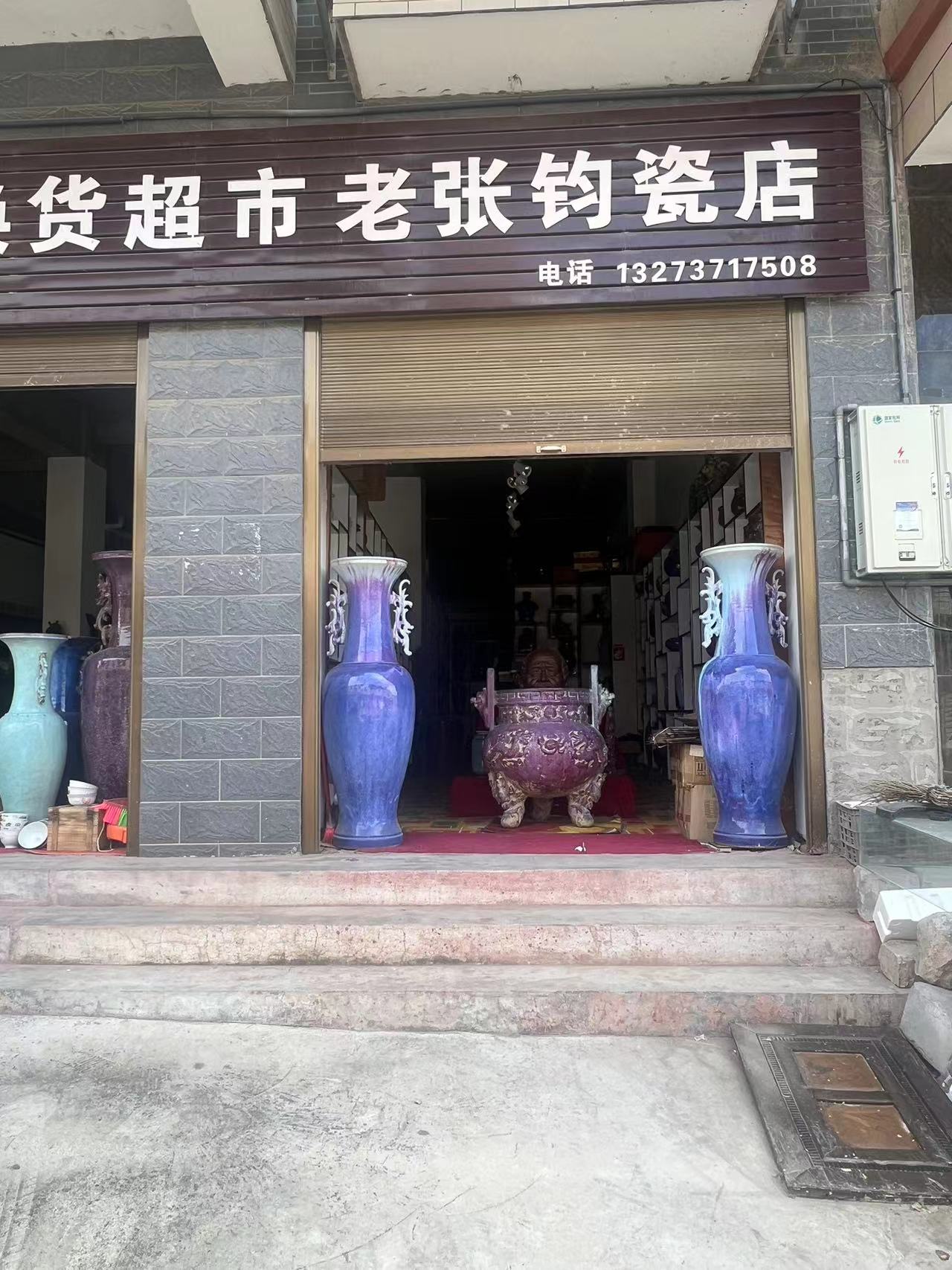
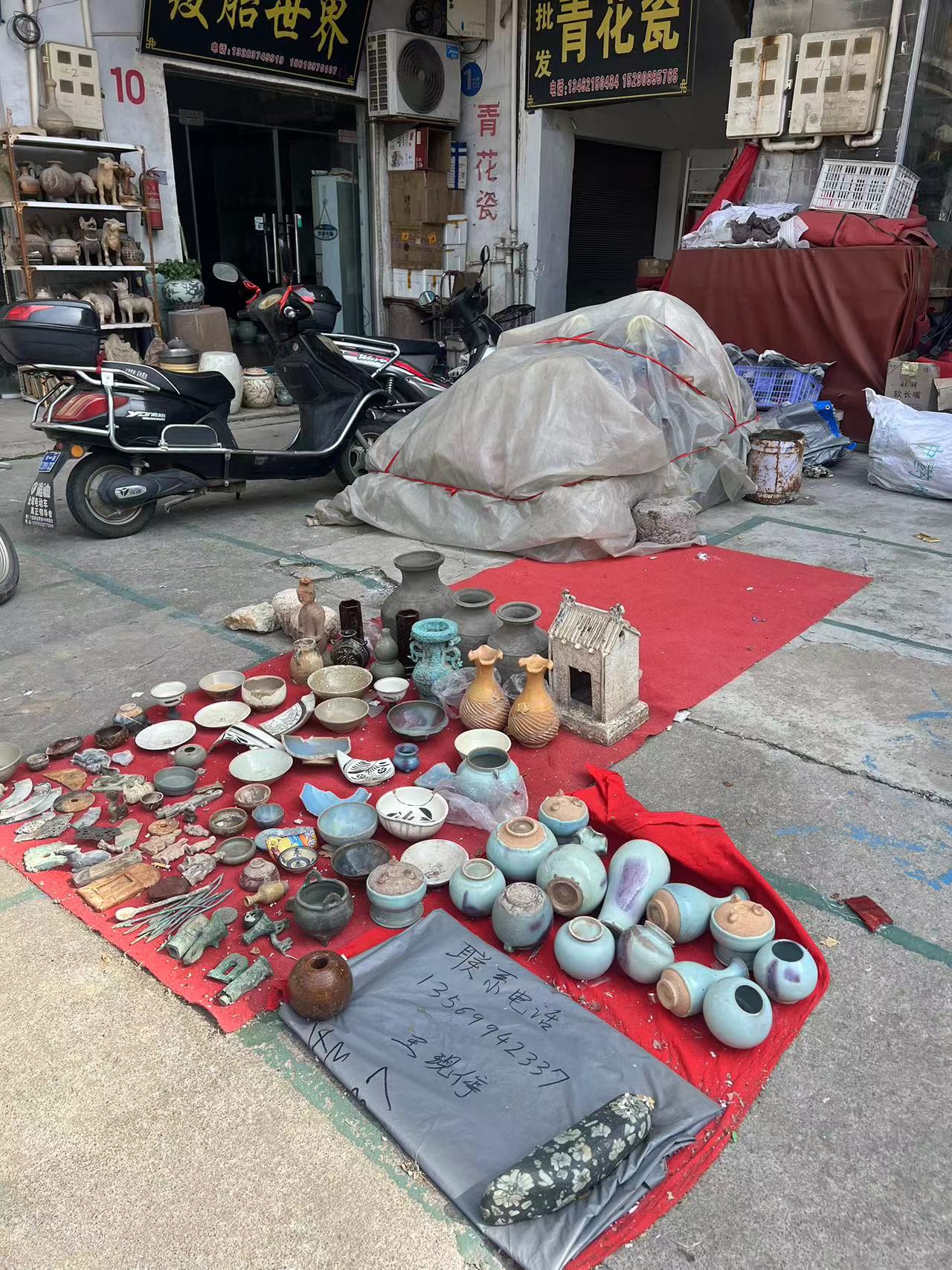
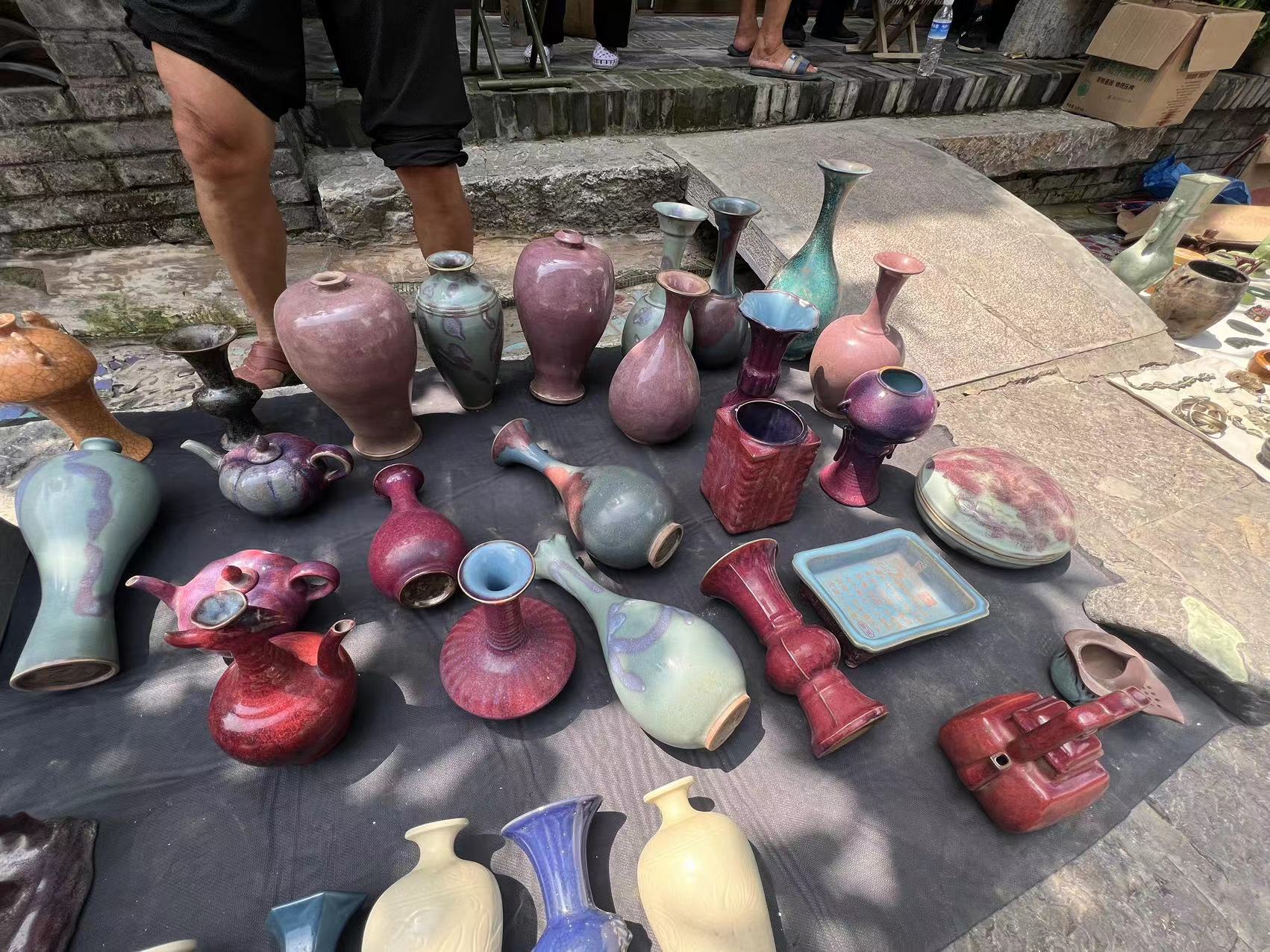
Potteries, vessels, pots, jars, and cups are everywhere.
In conclusion, conceptual thinking and creative art education are notably absent from their elementary schools, particularly in Shenhou County, as evidenced by my street interviews with local residents. In Shenhou, most of the children and families I interacted with are living in a more developed, urbanized, and open-minded environment, especially when compared to the situation we encountered in Yunnan. They have access to relatively abundant art materials, convenient transportation, and favorable living conditions. However, I can clearly discern a lack of support for arts and cultural education.

The invitational trip in Yunnan with Rye Wave — Chenxi Wang, BFA ceramics 23
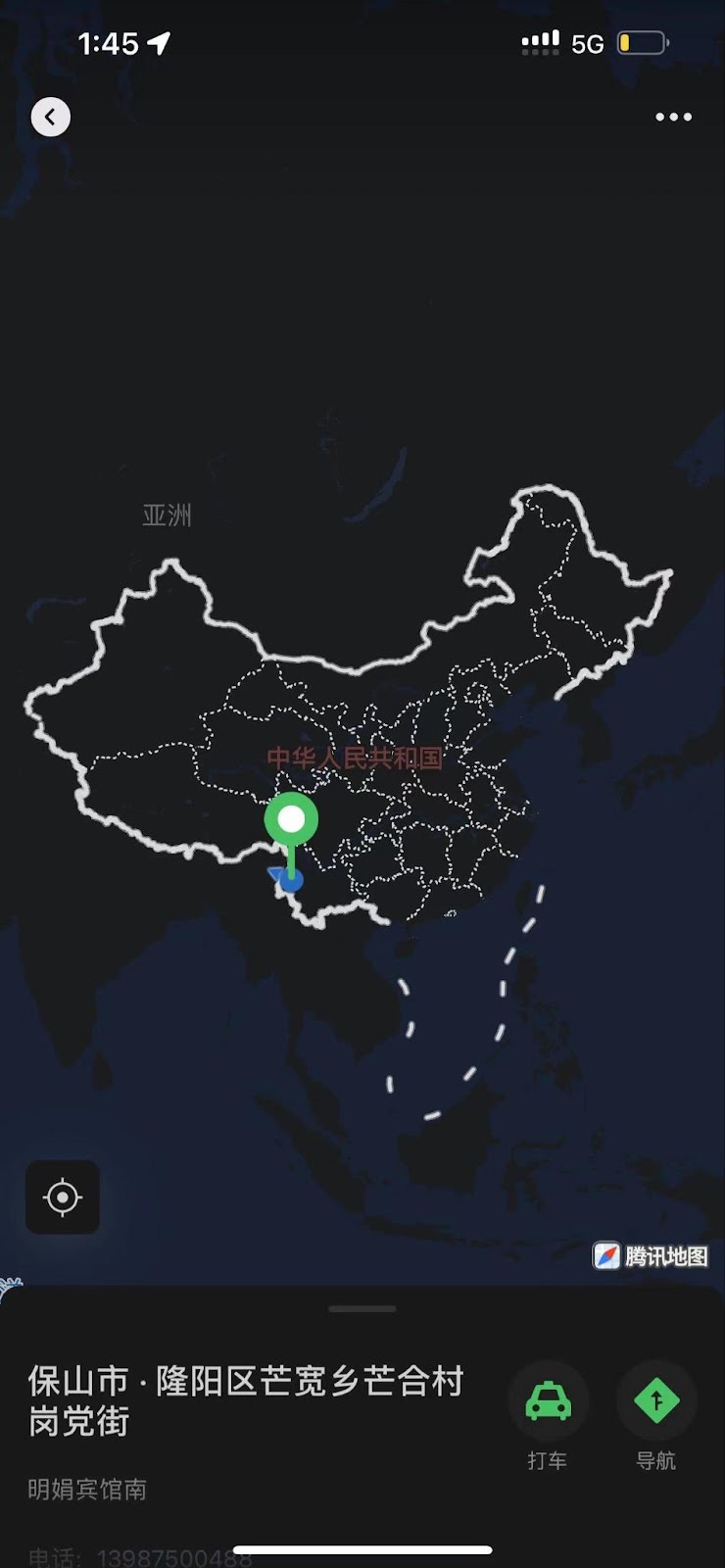
The location of this south-western frontier county Conggang on my Chinese map.
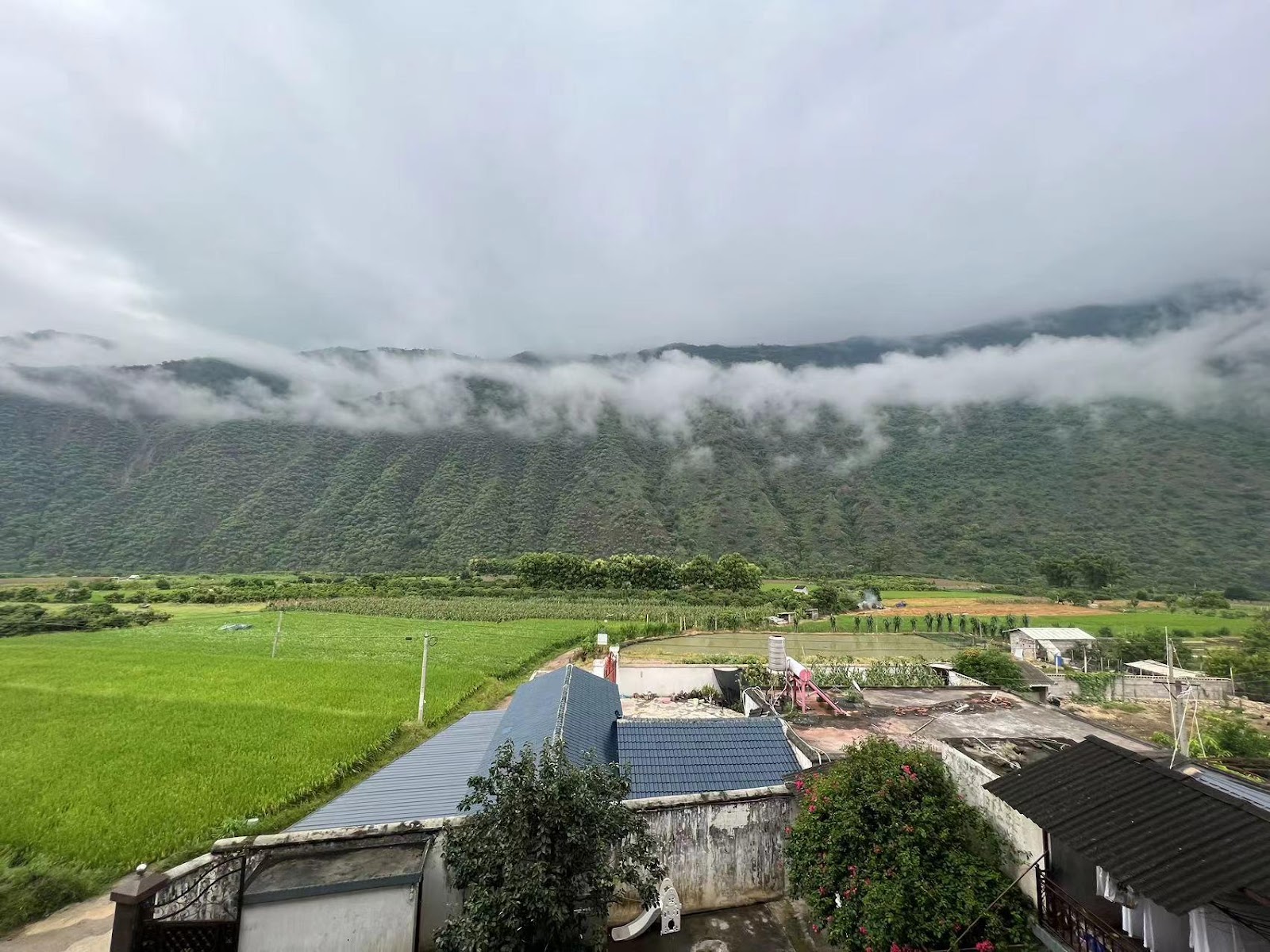
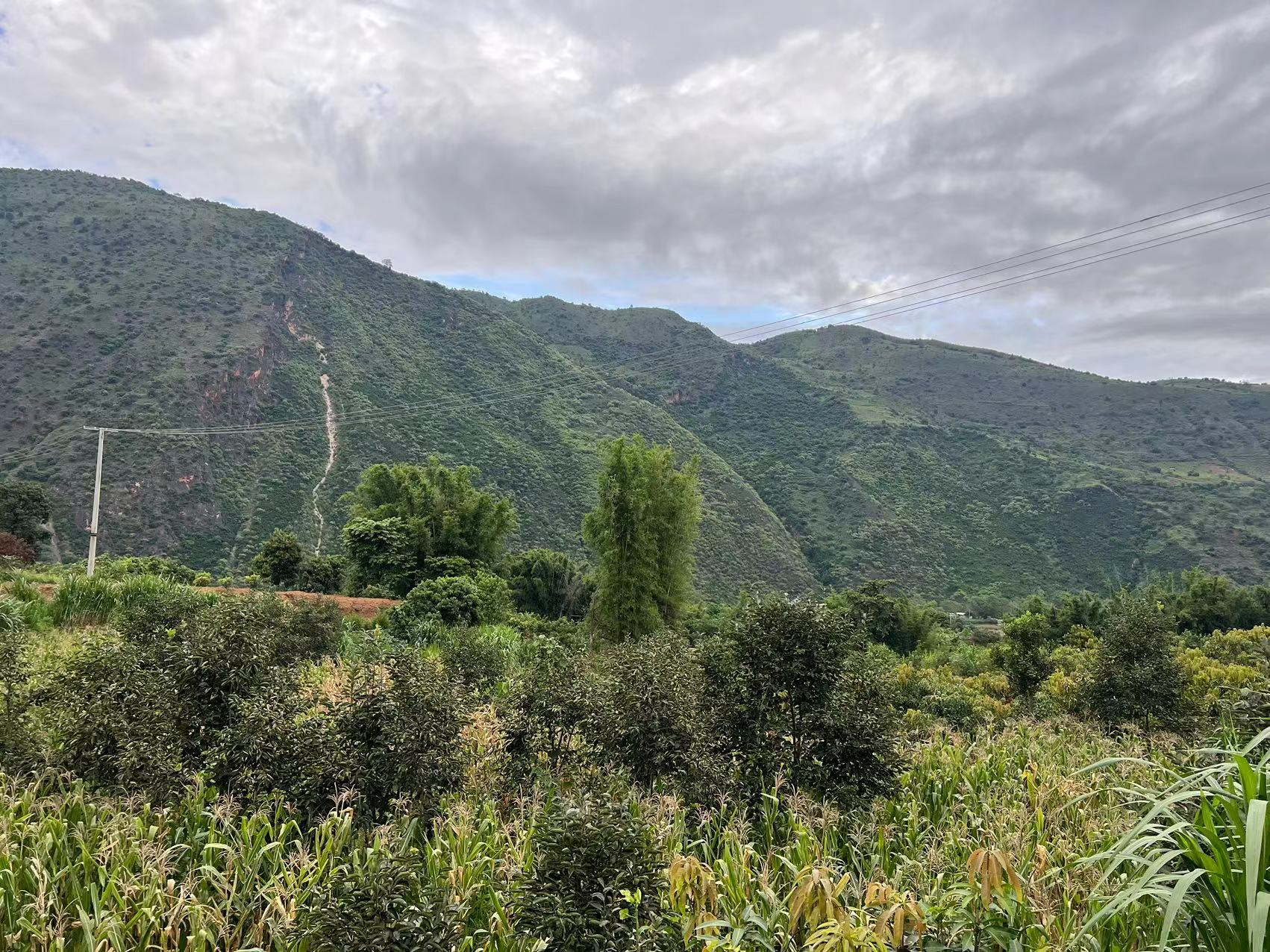
The landscape of the Mountain Gaoli at Conggang, Yunnan.
I am sorry that I began my Maharam fellowship in person quite late, following the completion of my local residency in the United States and the return of all my belongings to China. However, this delay did not equate to minimal participation in meetings and communications with the collaborative NGO organization, Rye Wave. I truly appreciate Rye Wave’s patience during all those Zoom meetings and online chats.
In Conggang, Yunnan, where Rye Wave initiated its non-profit ritual art education program, approximately ten young volunteer artists conducted eight innovative art courses. I was honored to preview and co-prepare for the art classes with the rest of the artists from Rye Wave. Even though I just audited most of the syllabus meetings online from July 4th to July 10th, I gained a clear understanding of Rye Wave’s rural educational goals, styles, and methods while discussing the syllabus and teaching process led by Miao Linyu.
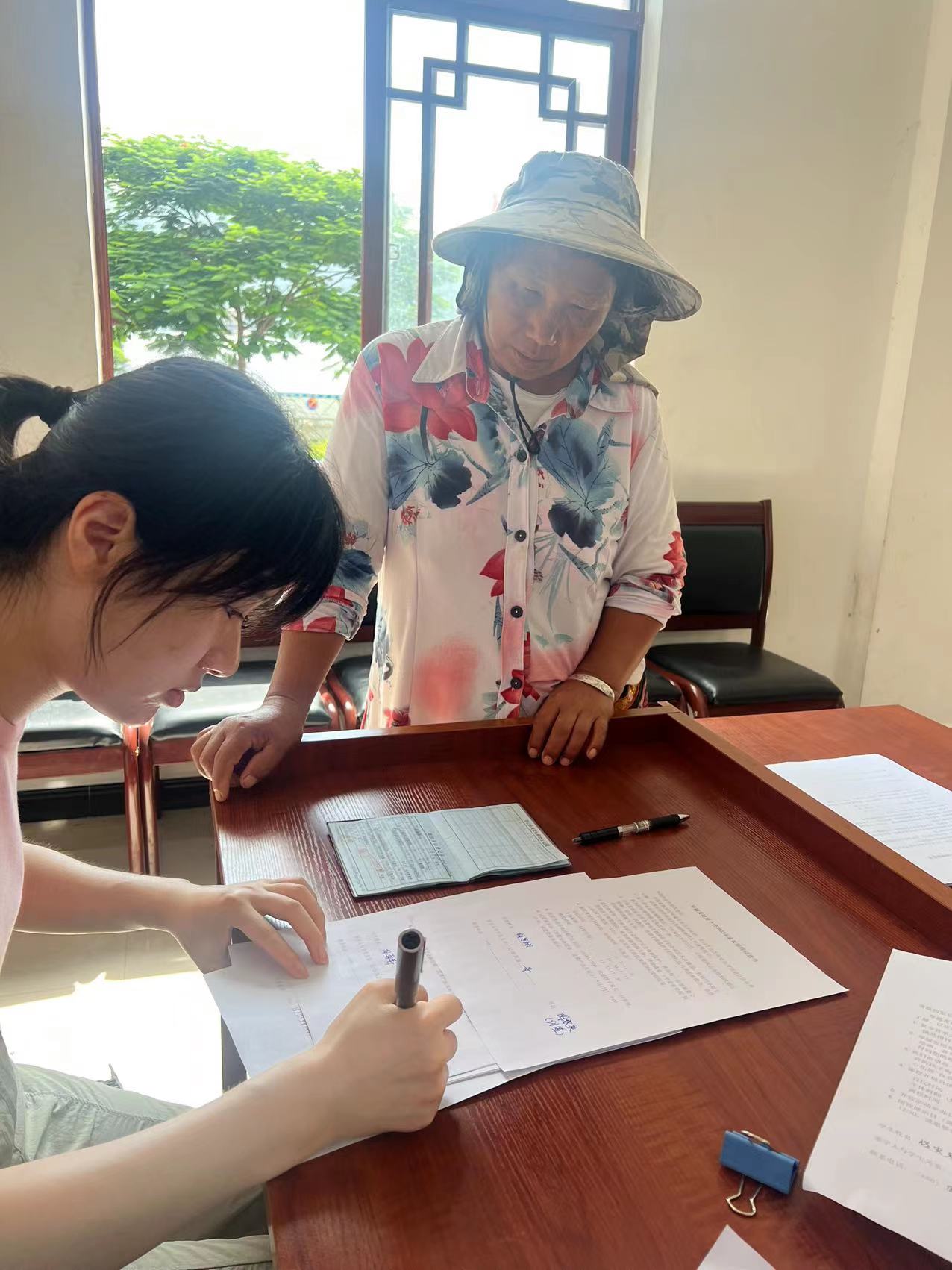

The communication between us and the local residents in person
For instance, after researching and visiting those minor ethical families, we learned how to use simple language to engage with local minors aged 10 to 14 years old. Some kids might have never left the village, so we had to consider introducing basic art materials and tools that were not easily accessible in Conggang. While auditing and observing volunteers specifically involved in this Yunnan program, I fully comprehended the challenges of conducting art education in rural China, especially one in ritualistic situations. Establishing an avant-garde art space in a frontier county of China is demanding, exhausting, and time-consuming, yet Rye Wave has persistently invested three years.
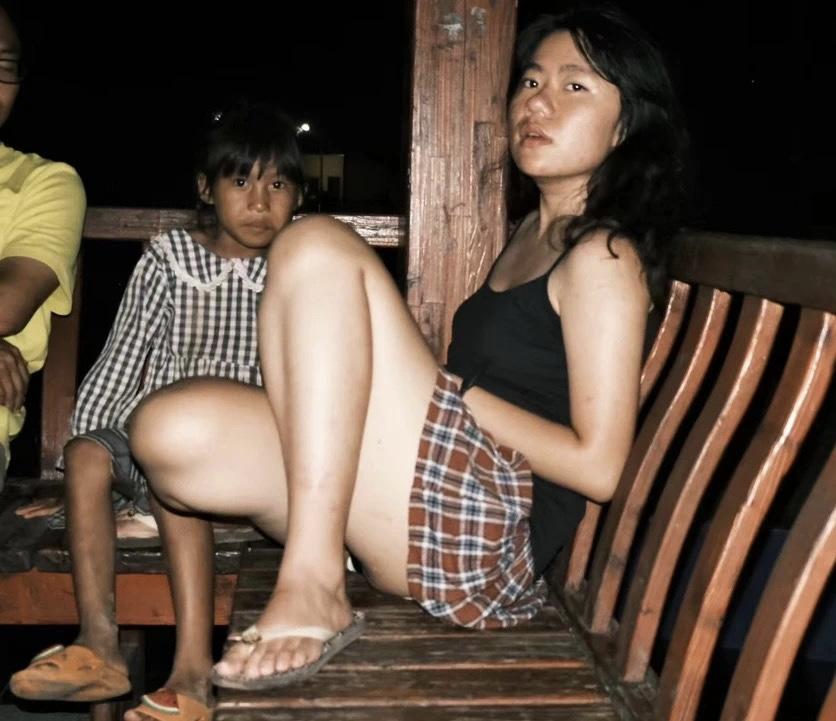
- Linyu Miao
- The leader of Rye Wave
- BA undergraduate of Barnard College, Columbia
- Now she is working as a journalist for independent publications
After I arrived in Conggang, Yunnan, on July 24th, I joined the large Rye Wave group, which had already established local ties, engaged with the students’ families, and conducted art activities. It was also the first time I met the leader, Miao Linyu in person since we have known each other through Instagram for more than half a year. I was curious and excited while stepping into neither this minor ethical village nor a big voluntary artist group.
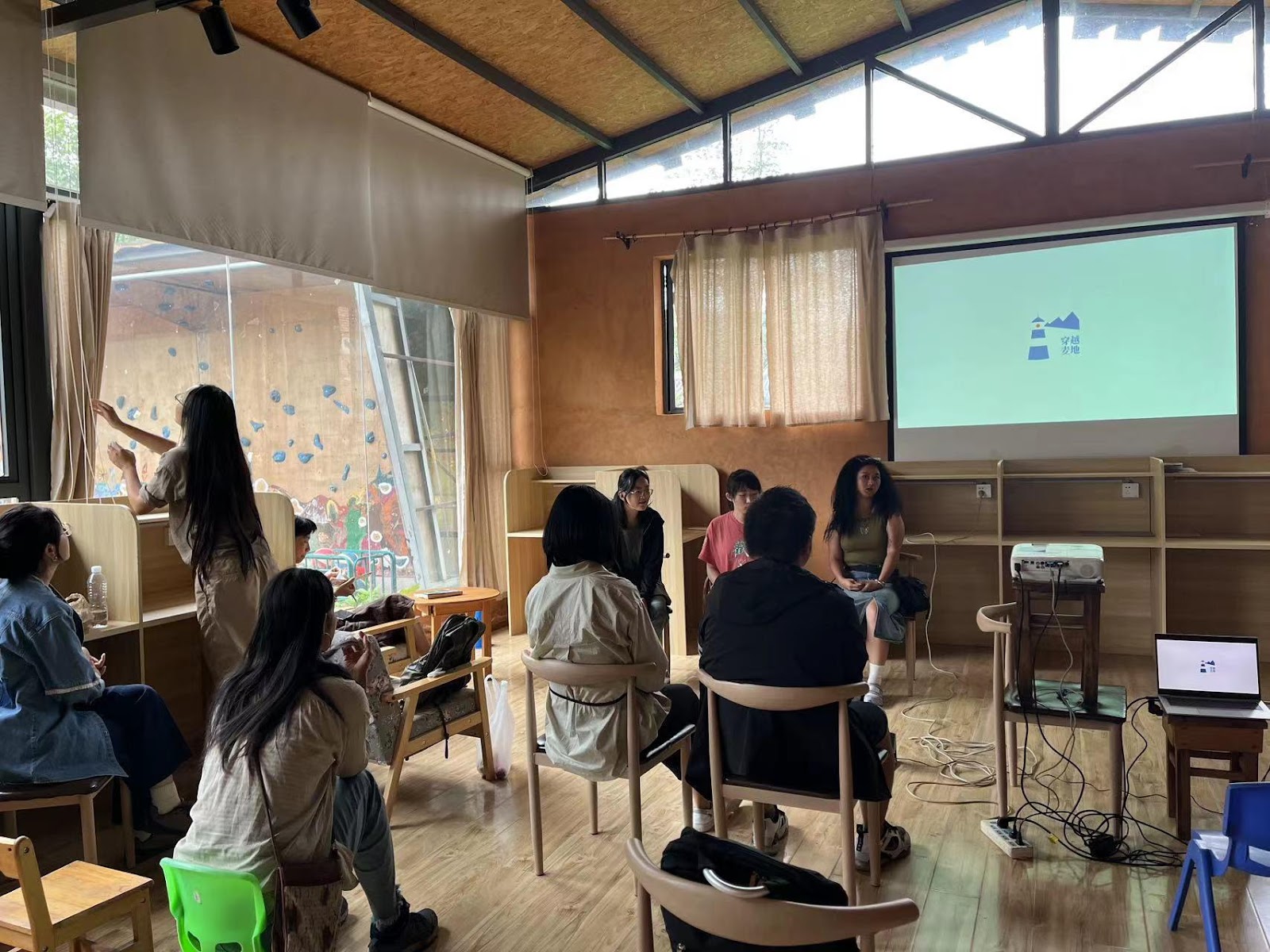
- Meeting with the rest of the volunteers and teachers in Conggang, Yunnan
- Discussion with ten art teachers from Rye Wave about the preparation for art classes and the results of local family and minor ethnical cultural research.
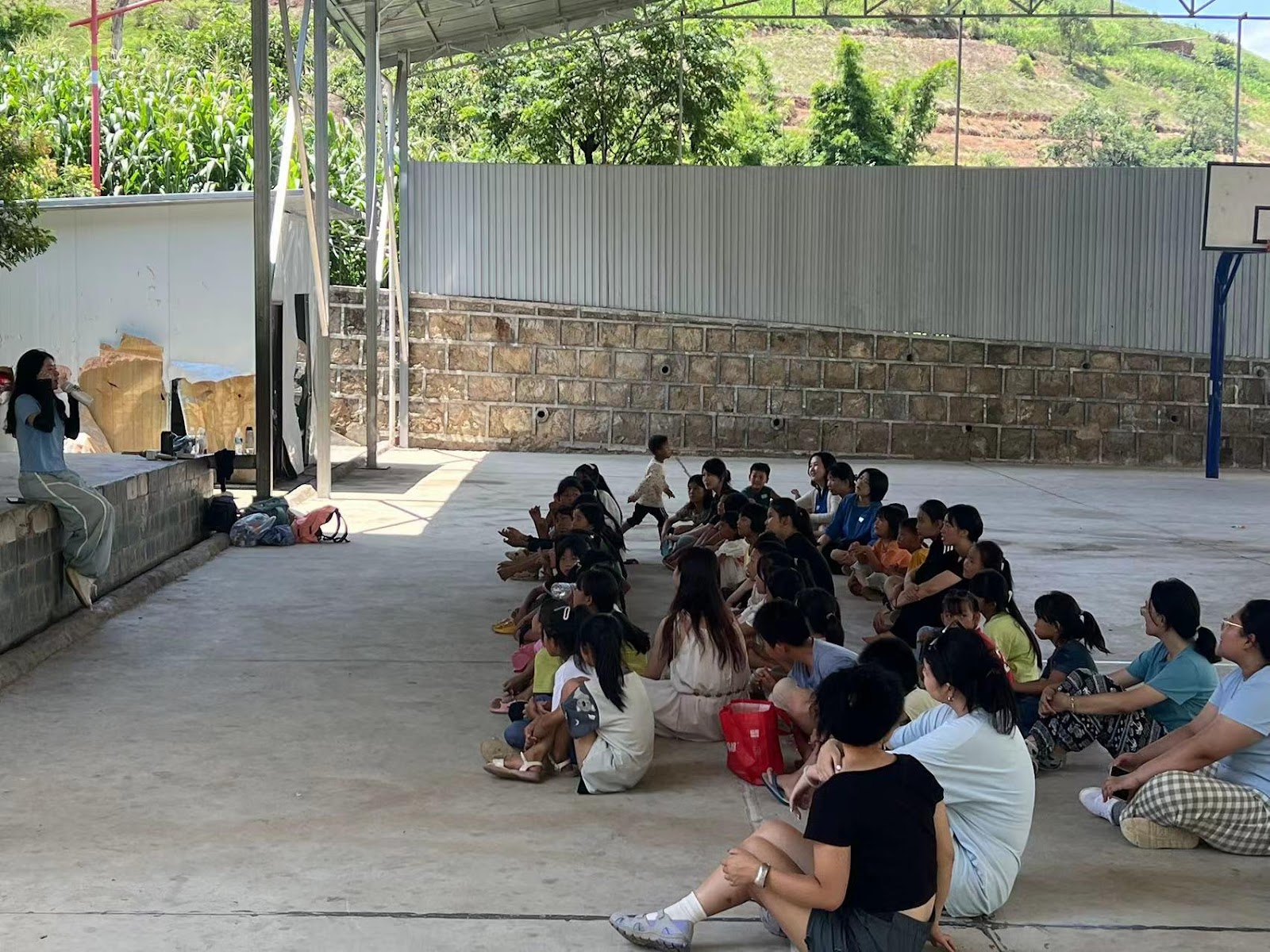
The first day of our art summer program began at the local residences’ basketball playground. Kids who registered for the program and we teachers were sitting together and listening to the speech given by Linyu Miao. Some of them even did not put any shoes on. First impression with Conggang County–Wild.
There was a little mix-up that our opening conflicted with the residents’ basketball practice. It was quite awkward and intense when they thought we occupied their playground without permission from the local administration. And they started to get mad and present some wild and violent tendencies. I have to admit it was chaos for a while. But we solved the little trouble after carefully and patiently explaining to them what happened and why we were teaching for free in this county.
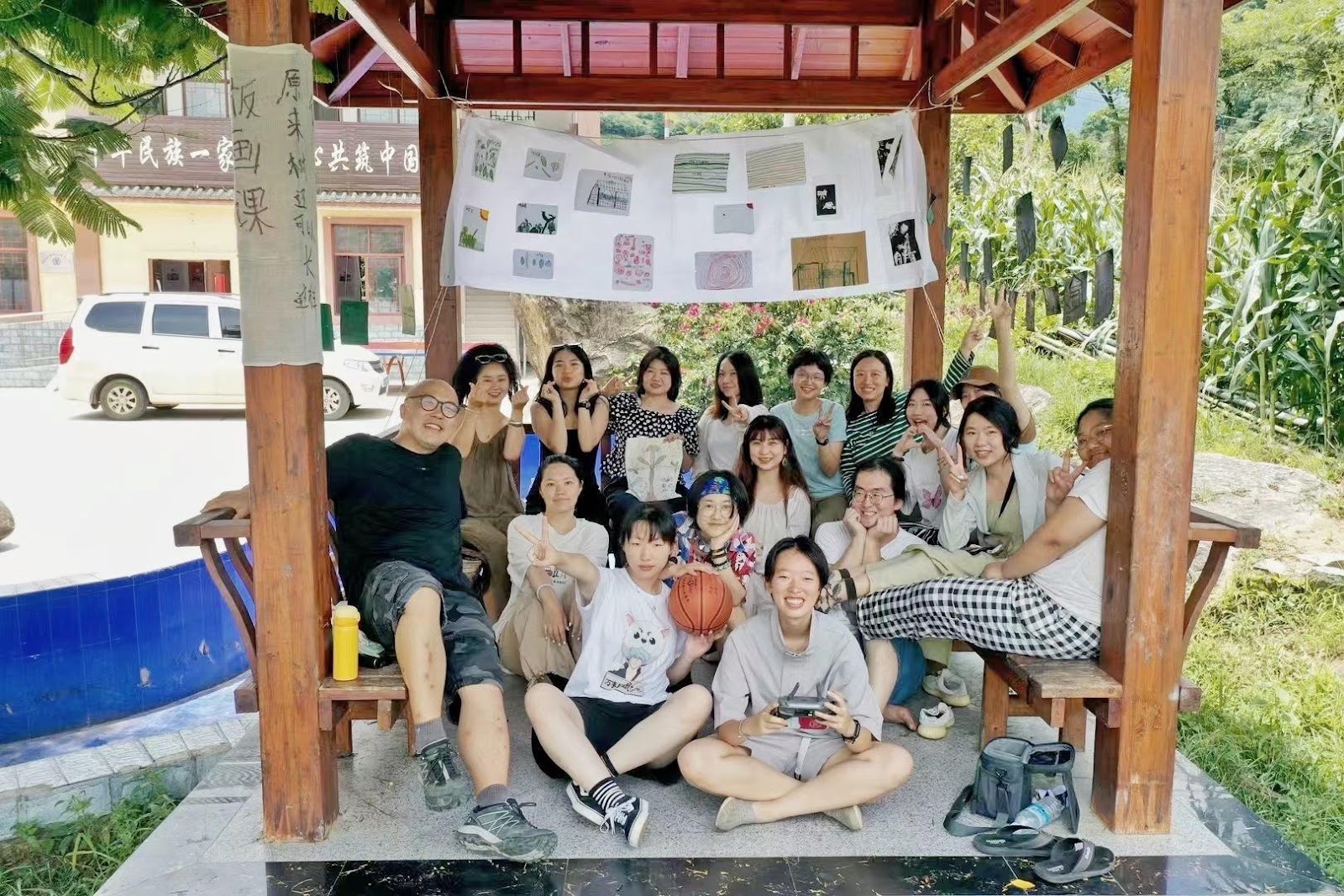
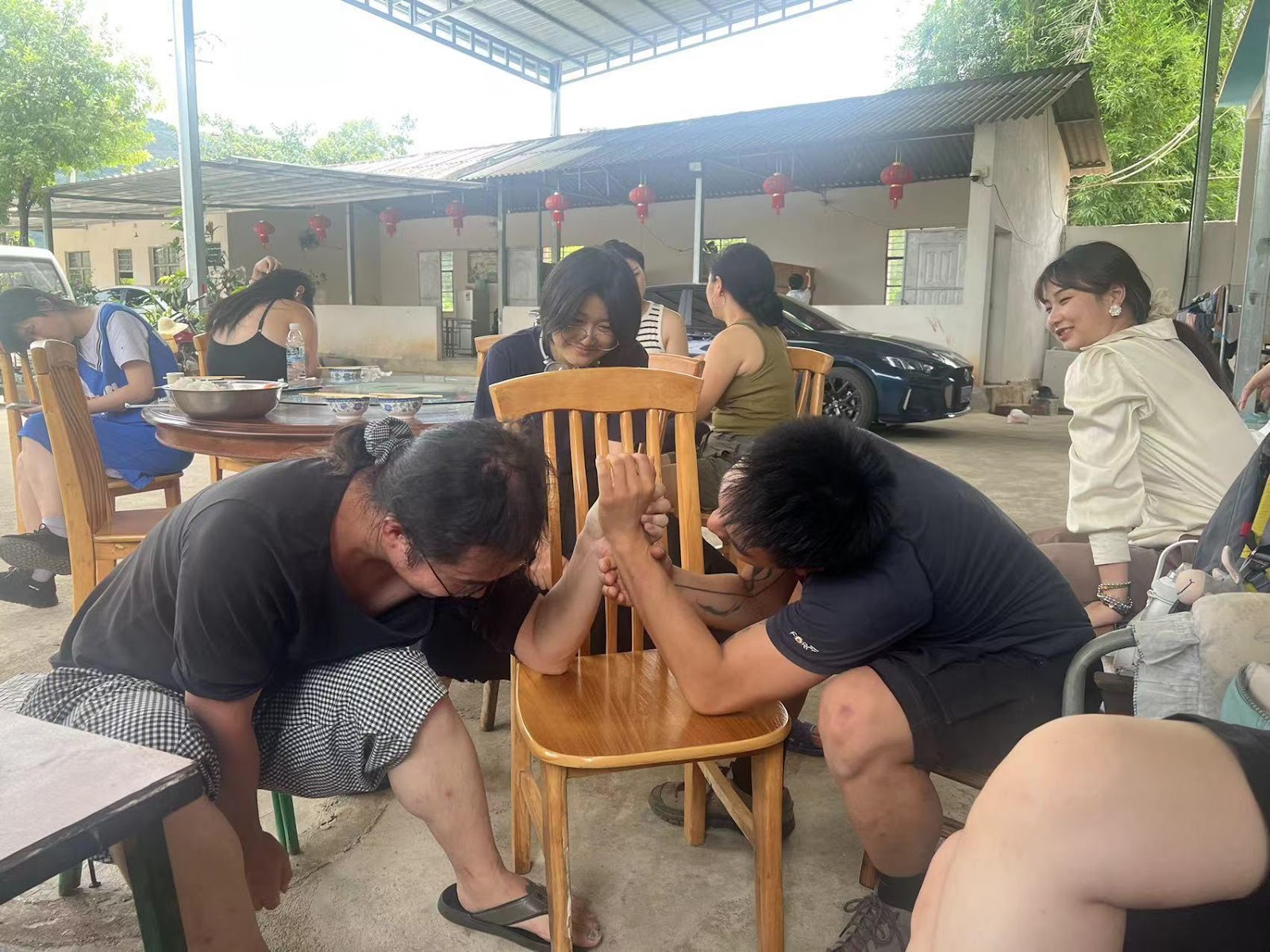
The big group of artists at Rye Wave and I was arm-wrestle with Xinpei
I did not create any art classes for the children in Conggang, Yuannan, but I still built up a close relationship between the artists from Rye Wave and the ritual kids. I guided a small group of children to use the camera and make some portraits for each of us. It was also engaging and enlightening for me to briefly participate in the art classes, activities, and experience in person with those children from the realistic Chinese countryside.
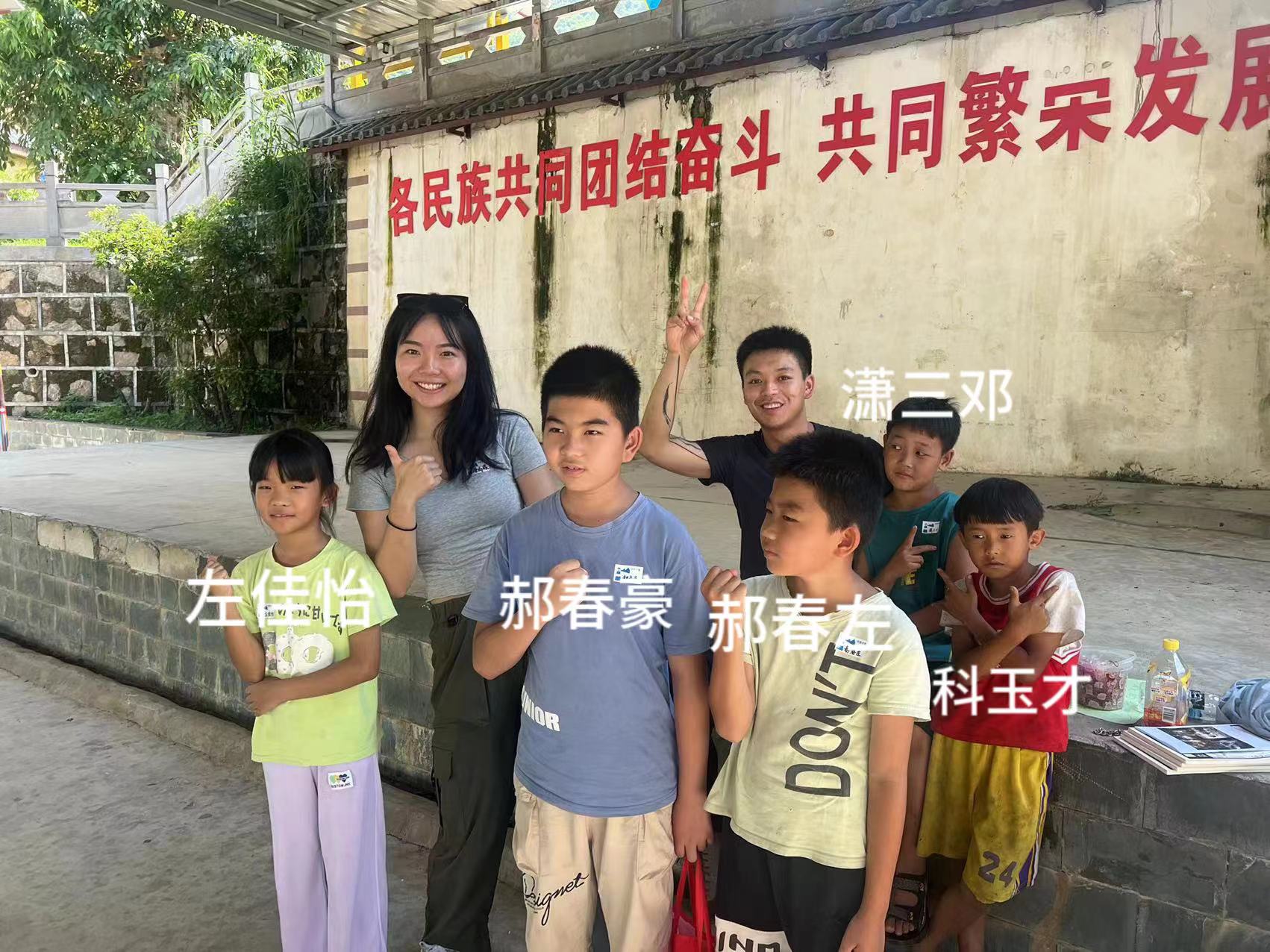
Photography team and me


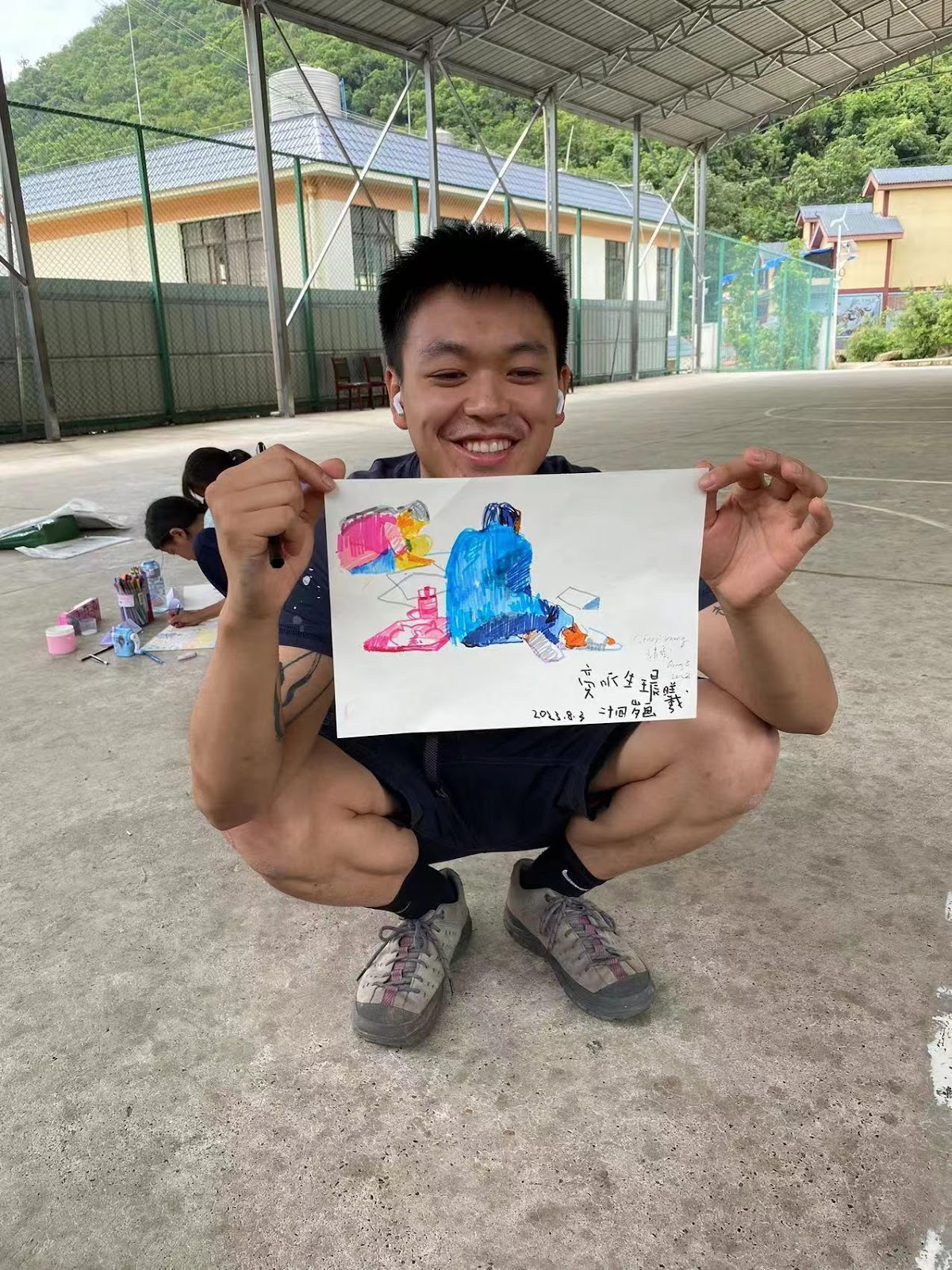
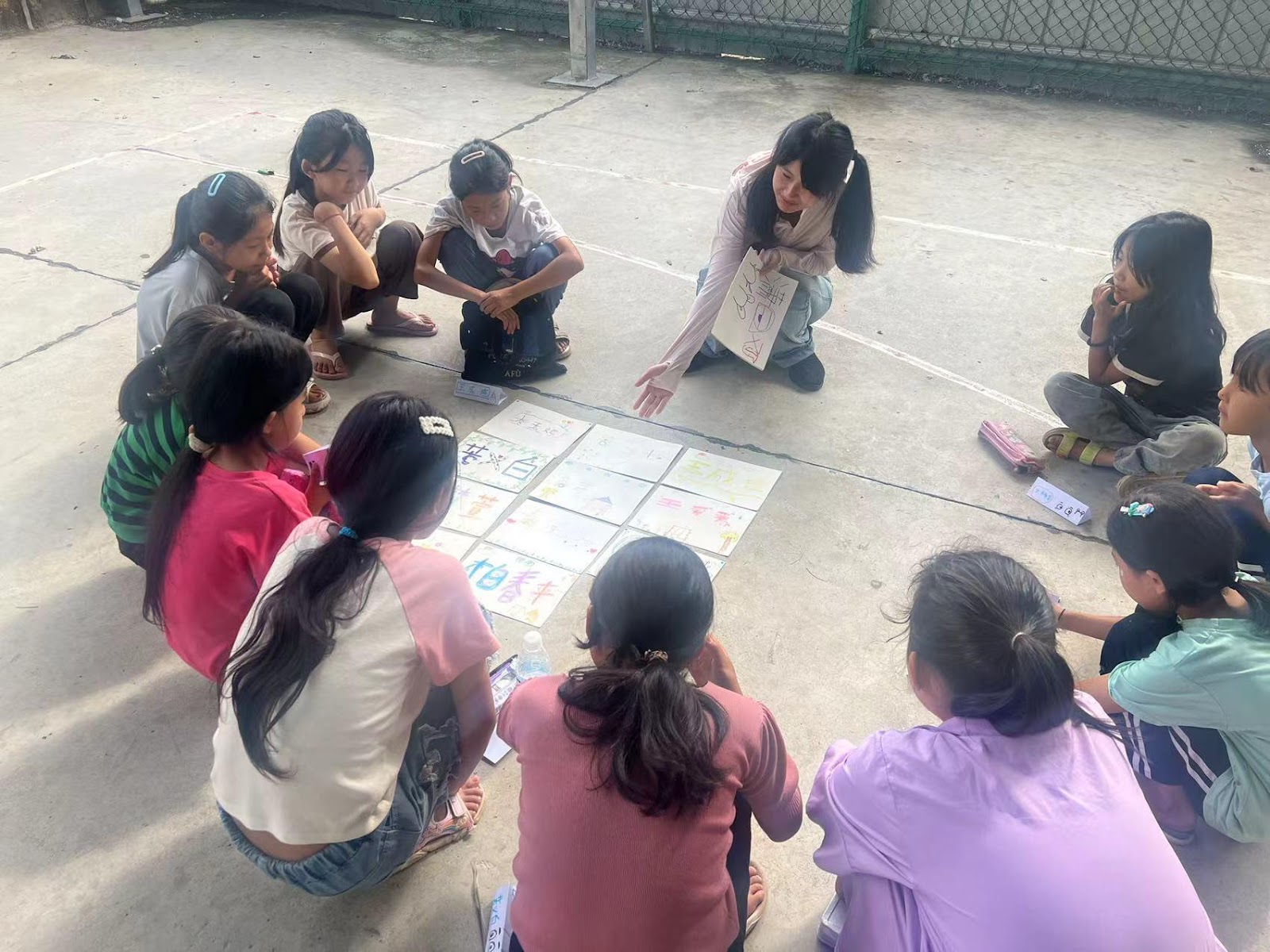
me and my drawing in an observative drawing class


The Recess —— Basketball Hour
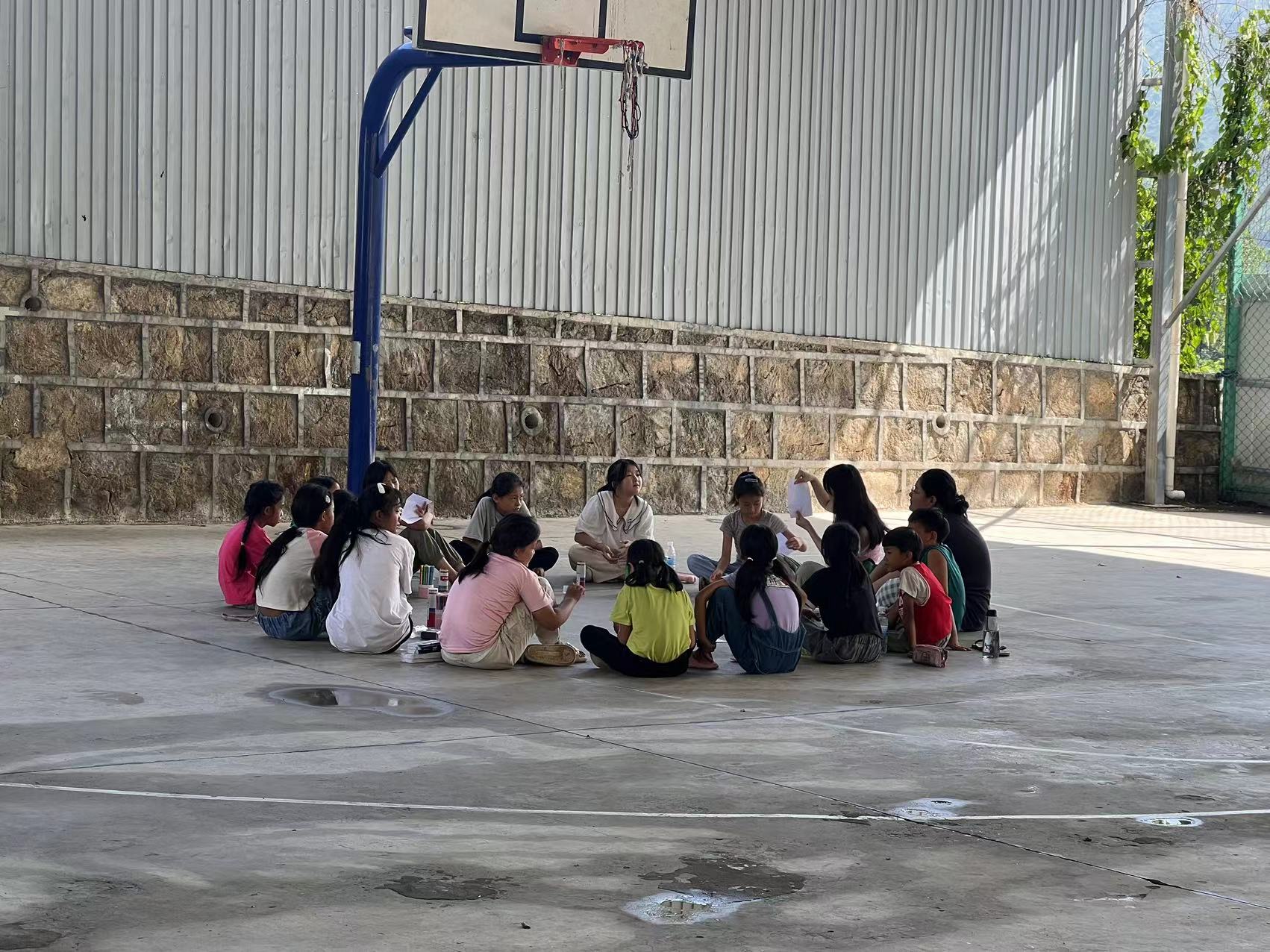
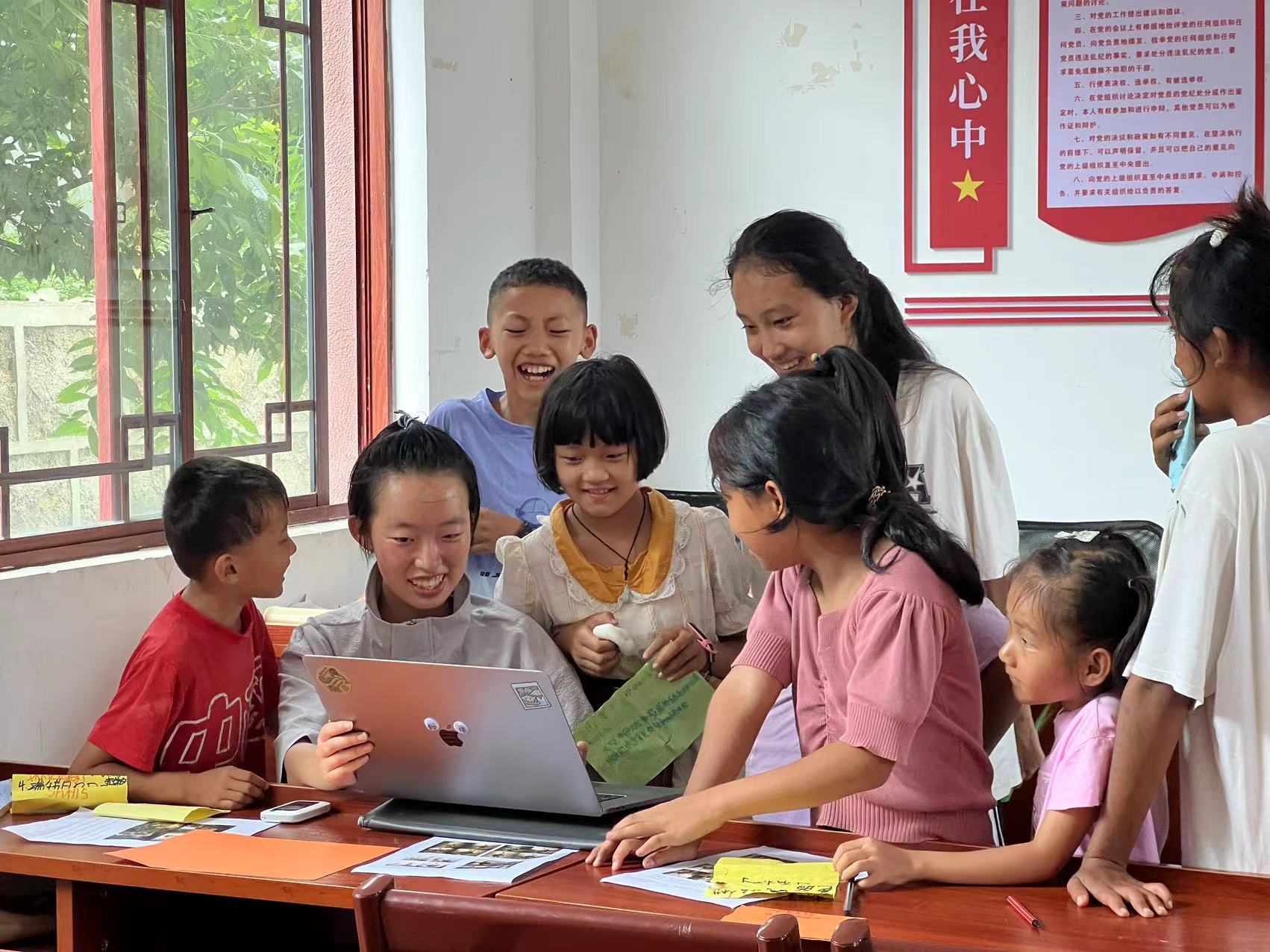
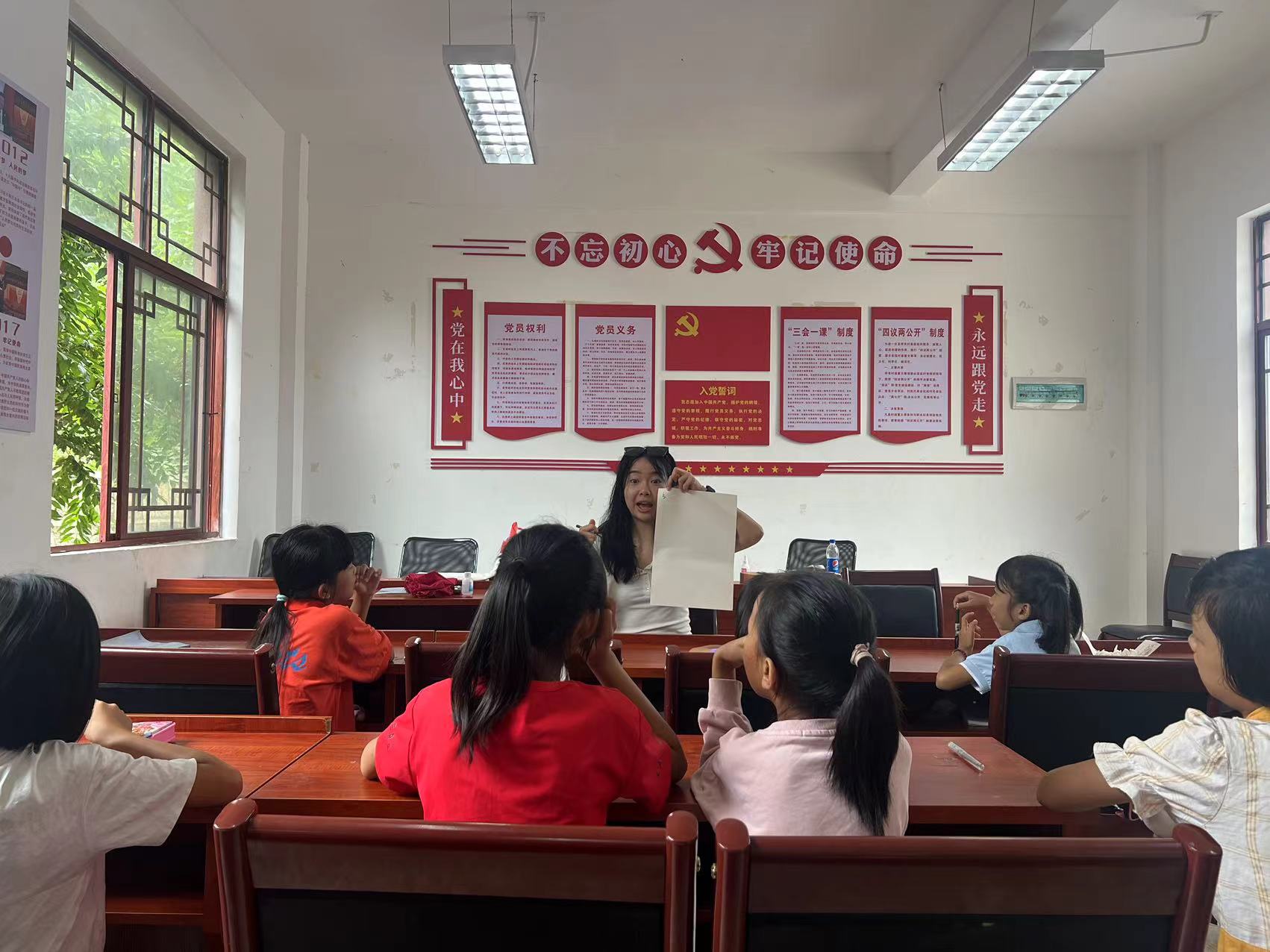
Class time
The 10-day audition with the first program of Rye Wave in Conggang is not easy. I started to grasp the cruel problem involving local administrators, political organizations, residents, children, and artists within a realistic society. The poverty of their family, an incompleted system of elementary education, limited geographical conditions, developing family educational awareness…… Like Miao said, we little art student NGOs can not entirely address the systemic inequities deeply ingrained in Chinese rural education, a challenge that the CCP has been working on at its national administrative level for years.
Nevertheless, the united teamwork, young energy of Rye Wave, passion from the artists, and the smiles of the children inspired and empowered me to reflect on my section of the program in Shenhou, Yuzhou, Henan. I got more confidence and responsibility about making efforts with my coming section.
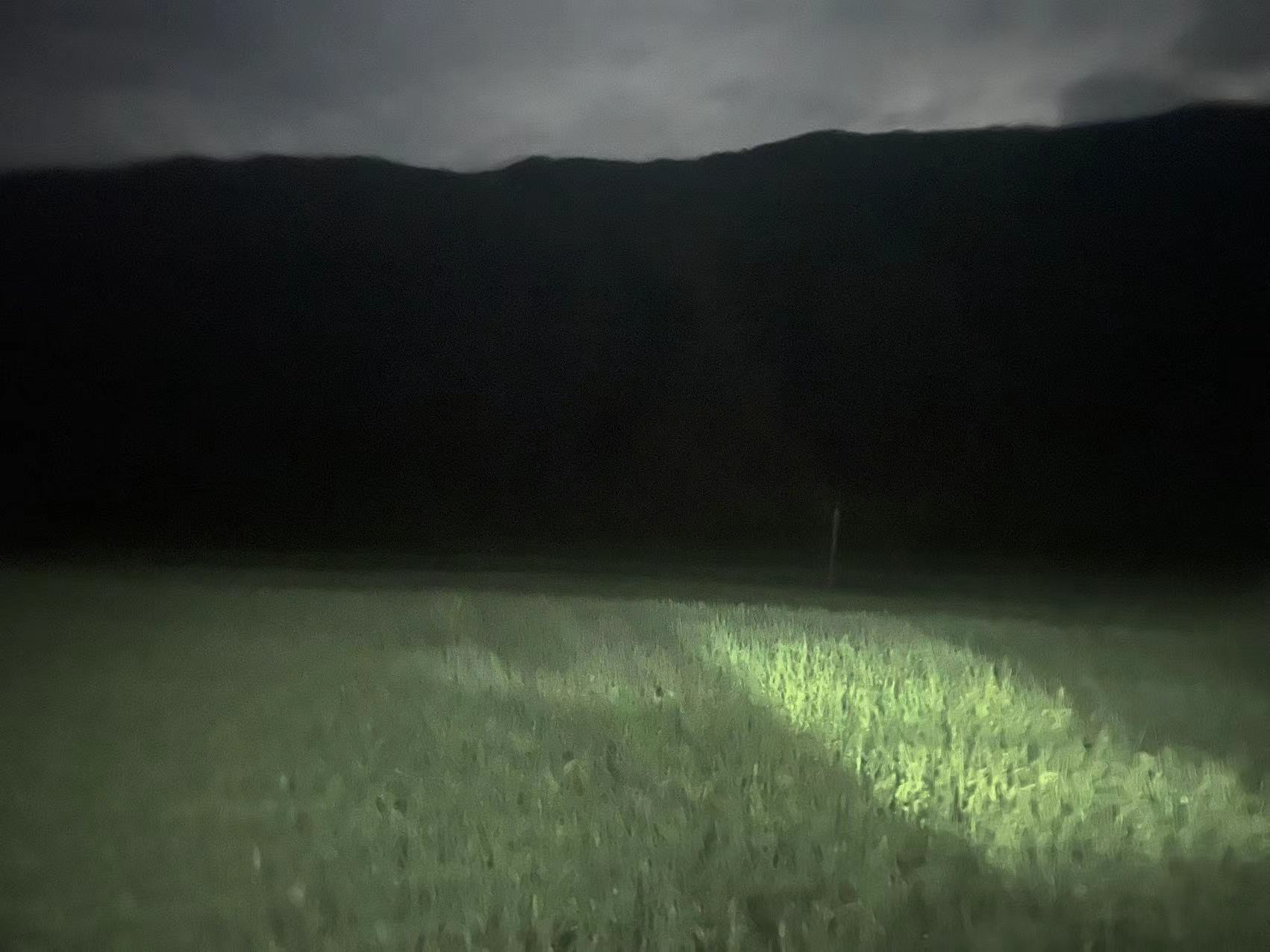
The night of the Mountain Gaoli
You must be logged in to post a comment.